Attic Insulation Cost Ireland: 2026 Homeowner’s Guide
Legacy guide: external source review is pending. How we review guides
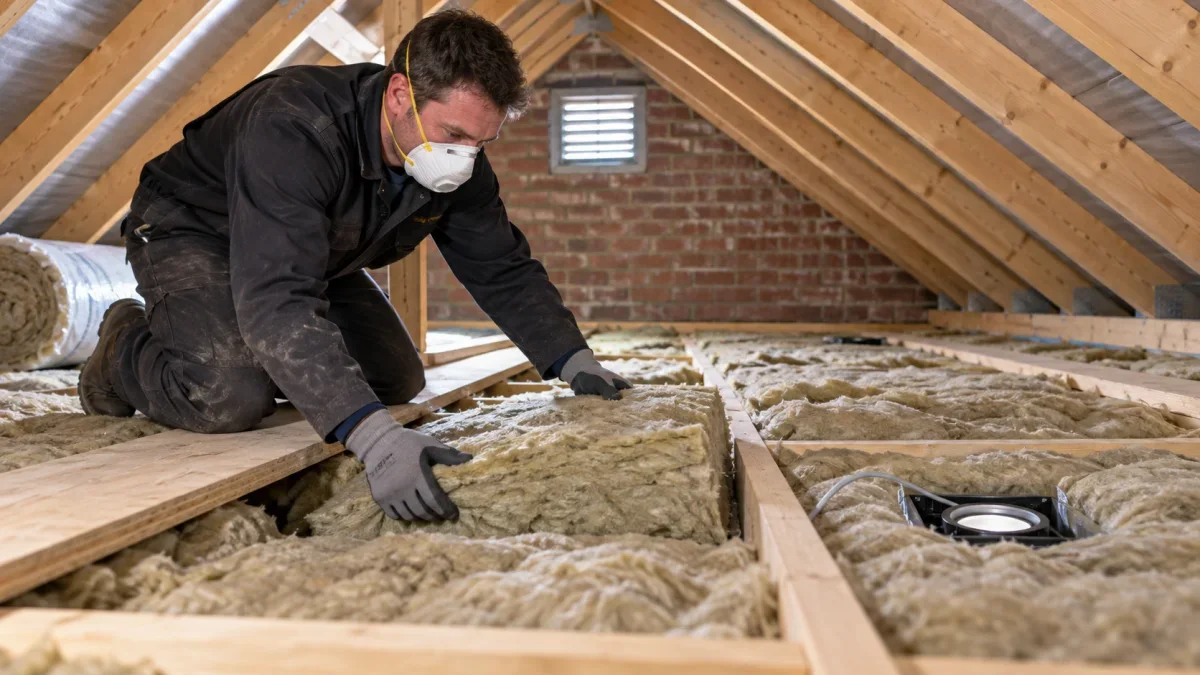
Insulating your attic is one of the smartest energy upgrades for Irish homes, helping you cut heat loss and keep energy bills in check. As of 2026, the typical cost to professionally insulate an attic in Ireland ranges from €600 to €2,000, depending on the property type and work complexity. For a standard detached house, expect to pay between €1,200 and €2,000, while mid-terrace homes and apartments tend to be less costly.
Crucially, generous grants from the Sustainable Energy Authority of Ireland (SEAI) are available, potentially covering most or all of your upfront cost. Grant amounts in 2026 range from €1,100 for apartments up to €2,000 or more for larger houses, with even higher supports for eligible first-time buyers and those on qualifying welfare payments.
This guide breaks down typical attic insulation costs by housing type, outlines grant supports, and highlights factors that can affect the final price. By understanding what drives the cost and how to claim your grant, you’ll be ready to improve your home’s comfort and energy efficiency without overspending.
Typical Attic Insulation Costs in Ireland (2026)
| Job | Typical price (inc. VAT) |
|---|---|
| Detached houseStandard attic, 300mm mineral wool or similar | €1,200–€2,000 |
| Semi-detached or end of terrace | €800–€1,200 |
| Mid-terrace house | €700–€1,100 |
| Apartment | €600–€900 |
| Removal of existing insulation (per job)Varies with attic size and condition | €150–€350 |
| Attic flooring (additional)Optional; for storage or access | €300–€800 |
| Difficult attic access (extra labour)If needed | €100–€300 |
| VAT (included)Standard home insulation VAT rate in Ireland | 13.5% |
Prices are typical 2026 estimates and vary by job, condition and location.
What Determines Attic Insulation Price?
The cost of insulating your attic hinges on several factors beyond basic house type. Here’s what most affects your final quote:
- Insulation material: Mineral wool and fibreglass are widely used and cost-effective. Modern spray foam is pricier, and may not suit all properties.
- Attic accessibility: If your attic is difficult to access, extra labour and time could push up the overall bill.
- Removal of existing insulation: Clearing out old or damaged insulation is often necessary and adds to the total cost.
- Additional work: Extra services, such as installing attic flooring or improving ventilation, increase costs but can enhance usability and long-term value.
SEAI Grants: How Much Can You Claim in 2026?
SEAI grants remain a major benefit for homeowners planning attic insulation projects in 2026. They reduce financial barriers and let you invest in energy savings more easily.
- DETACHED HOUSE: Grant of €2,000 (standard) or €2,500 (enhanced, if eligible)
- SEMI-DETACHED/END OF TERRACE: Grant of €1,500 (standard) or €1,900 (enhanced)
- MID-TERRACE: Grant of €1,400 (standard) or €1,800 (enhanced)
- APARTMENT: Grant of €1,100 (standard) or €1,400 (enhanced)
Enhanced grants apply if you’re a first-time buyer (home built on or before 31 December 2010, purchased after 1 January 2025) or a homeowner receiving certain welfare payments (from 2 March 2026 onwards). Always apply before any work begins to ensure your grant is in place.
Regional Price Variations Across Ireland
Labour rates and demand can influence attic insulation prices depending on where you live. Dublin homeowners might notice higher costs due to demand and wage levels. Elsewhere—such as Cork, Galway, or rural counties—competition between contractors often leads to slightly lower prices.
Regardless of location, it’s wise to obtain several quotes from SEAI-registered installers. This ensures you’re getting a competitive deal and a reliable service.
VAT and Building Regulations: What You Need to Know
Home insulation services in Ireland are subject to VAT at the reduced rate of 13.5%. Always check that VAT is included in your quote, so there are no surprises on your invoice.
Work must comply with Part L (Conservation of Fuel and Energy) of the Building Regulations. Using a qualified, SEAI-approved contractor helps guarantee both compliance and long-term energy savings.
Tips for a Successful Attic Insulation Project
- Ask at least three SEAI-registered contractors for itemised quotes.
- Apply for your SEAI grant before any work commences.
- Use reputable installers to avoid poor workmanship or non-compliance.
- Discuss any additional needs such as attic flooring or ventilation improvements.
- Keep documentation for grant claims and future home sales.
Proper attic insulation can reduce your home’s heat loss by up to 25%—meaning your investment will be repaid through energy savings and greater comfort, year after year.
Frequently asked questions
Can attic insulation be installed over existing insulation?+
Often yes—if the existing insulation is dry and in good condition, new material can be layered on top. But damaged, wet, or compressed insulation should be removed first for best results.
Are SEAI grants available for all Irish homeowners?+
Most homeowners are eligible for standard SEAI grants. Enhanced grants are available for first-time buyers of pre-2011 homes (purchased after 2025) and those on qualifying welfare payments (from March 2026).
How long does attic insulation installation usually take?+
For a typical house, installation is usually completed in one day. Larger or complex jobs (including removal of existing insulation or attic flooring installation) may take longer.
What’s the best material for attic insulation in Ireland?+
Mineral wool and fibreglass are reliably cost-effective and suit most attics. Spray foam offers greater air-tightness but is more expensive and can complicate roof repairs or ventilation if not correctly installed.
Will attic insulation really lower my energy bills?+
Yes—effective attic insulation can reduce heat loss by up to 25%, leading to noticeably lower heating bills and a warmer, healthier home.
Is attic insulation subject to VAT?+
Yes, attic insulation services are subject to 13.5% VAT in Ireland. Always check if it’s included in your quote.
Sources and editorial notes
This legacy guide has not yet completed the current claim-level citation review. Treat prices as broad estimates, verify current rules with the relevant authority and obtain a written professional quotation. See our editorial policy.
Official guidance and further reading
- CCPC: Home improvement and building work disputes
- SEAI: Individual home energy upgrade grants
- SEAI: Find a registered professional
These links are further reading and do not substantiate every estimate above.
Ready to describe your project?
Tell us about your insulation job and compare free quotes from interested local professionals. You can also browse insulation professionals.