Chimney Liner Installation Costs in Ireland: 2026 Price Guide
Legacy guide: external source review is pending. How we review guides
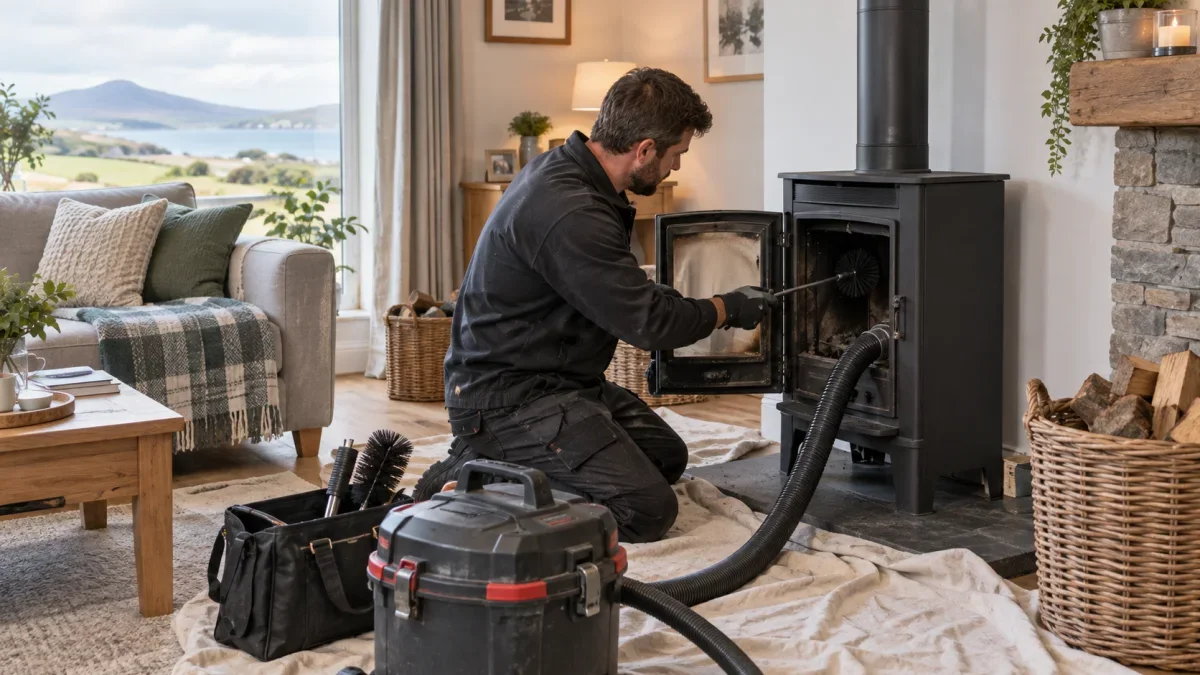
Fitting a chimney liner is an important investment for any Irish homeowner relying on a solid fuel stove or open fire. A properly installed liner not only makes your heating system more efficient, but also protects your property by preventing heat transfer and reducing the risk of chimney fires. Chimney liner installation costs in Ireland depend mostly on the type of liner, the length and condition of your chimney, and who you hire to do the work.
As a rule of thumb, the total cost for chimney liner installation in 2026 generally falls between €1,000 and €2,500 for standard flexible stainless steel options, including both materials and labour. Insulated and twin wall systems are more expensive, with installations often running from €1,200 up to €3,000 or more for complex or large chimneys. It's essential to factor in VAT—charged at 23%—when budgeting for the job.
In this guide, we'll break down the types of liners available, outline price ranges, explain what determines costs, and offer practical advice for getting the best result. Read on to avoid costly surprises and ensure your chimney is fit for Irish winters.
Typical Chimney Liner Installation Costs in Ireland (2026)
| Job | Typical price (inc. VAT) |
|---|---|
| Flexible stainless steel liner (supply & install)316-grade, most common choice | €1,000 – €2,500 |
| 6-inch insulated liner (supply only)Installation extra; suits modern stoves | from €950 |
| Twin wall rigid system (supply only)Pre-insulated, external flues | from €1,200 |
| CCTV chimney survey & smoke testOften included with full install | €200 – €400 |
| Labour (installation only)Depends on complexity and height | €600 – €1,400 |
| Additional bends or adaptorsNeeded for non-straight flues | €80 – €250 each |
| Minor chimney repairs (if required)Masonry or structural repairs | €200 – €800 |
Prices are typical 2026 estimates and vary by job, condition and location.
What Affects the Price of Chimney Liner Installation?
No two chimneys are exactly alike. The final price reflects your particular property and requirements. Here are the main factors that will influence your costs:
- Chimney height and number of storeys: Taller chimneys mean more liner material and additional labour for installation.
- Chimney route and complexity: Bends, narrow flues, or access difficulties make the job slower and require specialist components.
- Type of liner: Flexible stainless steel tends to be most cost-effective, whereas insulated or rigid twin wall liners cost more but may be necessary for external or problem chimneys.
- Chimney condition: Existing structural or masonry problems must be addressed before relining, adding to the budget.
- Location: Labour tends to cost more in larger cities, particularly Dublin, due to overheads and higher demand.
Types of Chimney Liners Available
Most Irish homes opt for flexible stainless steel liners, which are well-suited to wood, coal, and multi-fuel stoves. Here’s a summary of the main options:
- Flexible stainless steel liner (316-grade): Best for most domestic flues. Quick to install and resistant to corrosion, with prices from €1,000 installed.
- Insulated (double-skin) liners: Designed for maximum safety and improved efficiency. Essential where condensation or extreme heat is a concern. Supplied from around €950 (installation extra).
- Twin wall rigid liners: Used when a chimney runs externally or where a traditional flue can't be used. Typically priced from €1,200 for supply only.
Getting the Job Done Right: Process and Certification
A quality installation starts with a professional assessment. Most reputable contractors will conduct a CCTV survey and a smoke test to judge the state of your flue and determine the exact length and type of liner required. HETAS certification is essential for peace of mind and insurance compliance in Ireland. Make sure you receive a certificate of compliance and a record of user instructions after the work is complete.
Practical Money-Saving Tips for Irish Homeowners
- Always obtain detailed quotes from at least two or three chimney specialists. Pricing can vary considerably, especially for complex jobs.
- Ask for itemised breakdowns (materials, labour, VAT) so you know exactly what you’re paying for.
- Check the installer’s qualifications and make sure they are HETAS-certified. This ensures they follow the latest Irish regulations and standards.
- Consider whether your heating appliance might soon need upgrading as well—a liner is best fitted in tandem with a new stove, to avoid repeat disruption.
- Schedule the work outside of peak autumn/winter season if possible, as some installers offer better availability or discounts in spring and early summer.
SEAI Grants, VAT, and Regulations in 2026
Unfortunately, there are currently no standalone SEAI grants specifically for chimney liner installation. However, you should always check the latest SEAI updates in case package energy upgrades or deep retrofit grants might include chimney works as part of a larger project.
VAT at 23% applies to both parts and labour when hiring an installer. Be sure that your quotes explicitly state whether VAT is included, to avoid nasty surprises.
Frequently asked questions
How long does it take to install a chimney liner in Ireland?+
Most jobs can be completed within one day, but more complex installations or those requiring repairs may take two days or more.
Is it necessary to line my chimney for a stove or open fire?+
In most cases, yes. Modern stoves typically require a correctly sized, insulated liner for safe operation and to comply with regulations. Open fires benefit from improved safety and efficiency.
Can I install a chimney liner myself?+
DIY installation is not recommended. Incorrect liner installation poses serious safety risks and may invalidate house insurance. Always use a certified professional.
What preparation is needed before the installer arrives?+
Clear the fireplace and nearby area of furniture and valuables. Ensure access from roof or attic is available if required. Discuss any structural issues with the specialist in advance.
Are all chimney liners suitable for all stoves and fuels?+
No. The liner material and size must match your appliance and intended fuel. Flexible 316-grade stainless is suitable for most stoves, but always check manufacturer specifications.
Will a new chimney liner reduce heating bills?+
A proper liner improves stove efficiency and safety, potentially reducing fuel use and maintenance costs, though the savings may not be dramatic compared to other energy upgrades.
Sources and editorial notes
This legacy guide has not yet completed the current claim-level citation review. Treat prices as broad estimates, verify current rules with the relevant authority and obtain a written professional quotation. See our editorial policy.
Official guidance and further reading
These links are further reading and do not substantiate every estimate above.
Ready to describe your project?
Tell us about your chimney & stove job and compare free quotes from interested local professionals. You can also browse chimney & stove professionals.