Chimney Relining Cost in Ireland: 2026 Guide
Legacy guide: external source review is pending. How we review guides
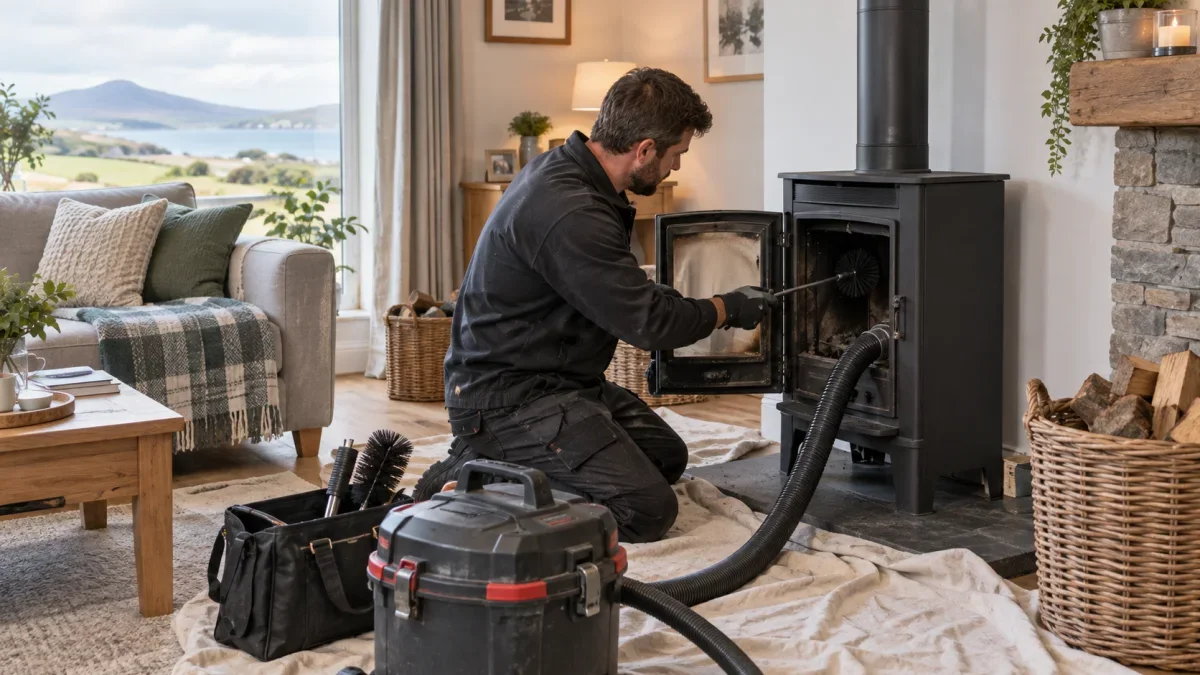
If you're considering chimney relining in Ireland, it's important to understand the current costs, what influences them, and how to ensure your installation meets both safety and regulatory standards. Chimney relining is more than just a maintenance task—it's a crucial safety upgrade, especially if you use solid fuel appliances or are planning to install a wood-burning stove.
In 2026, the cost of chimney relining in Ireland typically ranges from €600 to over €1,200, depending on the type of liner, the complexity of your chimney, and the materials chosen. Flexible stainless steel liners, commonly used for wood-burning stoves, start at around €600–€950 fully installed. Insulated liners and premium twin wall systems run higher, from roughly €950 upwards, but offer enhanced efficiency and longer warranties. Keep in mind: factors like chimney height and access can further affect the price.
It's also worth considering regulatory requirements and the role of grants. Although specific SEAI grants for chimney relining aren't available, related home energy upgrades might help offset some costs. Exploring your options and getting several quotes from experienced, certified contractors is the best way to ensure you get a safe, compliant, and cost-effective job.
Typical Chimney Relining Prices in Ireland (2026)
| Job | Typical price (€) |
|---|---|
| Flexible Stainless Steel Liner (installed)Most common option for wood-burning stoves | €600 – €950 |
| Insulated Liner (installed)Includes insulation for better efficiency; 25-year warranty | €950 – €1,200 |
| Twin Wall System (installed)Rigid pre-insulated system; premium performance | €1,200+ |
| Chimney Inspection (pre-relining)Often required to assess chimney condition | €80 – €150 |
| Minor Chimney Repairs (before lining)E.g. repointing or sealing fissures | €200 – €500 |
| Scaffolding (if required)Only needed for high or hard-to-access chimneys | €150 – €350 |
| Smoke Test (after installation)Should be done to confirm integrity | Usually included |
| VAT (on total)Some energy upgrades may qualify for reduced rate | 23% standard rate |
Prices are typical 2026 estimates and vary by job, condition and location.
How Chimney Relining Works and Why It Matters
Chimney relining involves fitting a new liner inside your existing chimney flue. It’s essential for carrying combustion gases safely out of your home and improving the performance of wood-burning stoves and other heating appliances. Upgrading your liner ensures your system meets Irish Building Regulations, preventing dangerous leaks or chimney fires.
If your current liner is damaged, unlined, or not compatible with your heating appliance, relining is strongly recommended. Safety, compliance, and improving heating efficiency are the key reasons Irish households undertake chimney relining.
Factors That Affect Chimney Relining Costs
- Chimney height: Taller chimneys require more materials and labour.
- Access: Difficult or awkward roofs may mean extra equipment like scaffolding.
- Type of liner: Flexible stainless steel is generally cheapest. Insulated and twin wall systems cost more upfront but offer greater efficiency and longevity.
- Chimney condition: Repairs to the existing structure—such as repointing or patching cracks—are sometimes needed before relining and will add to the total cost.
- Location: Labour costs can be higher in cities like Dublin, reflecting higher local rates.
Types of Chimney Liners Available in Ireland
- Flexible stainless steel liners: 316-grade steel is most common and ideal for most solid fuel stoves.
- Insulated liners: These add a layer of insulation for improved safety and efficiency, and often come with extended warranties (up to 25 years).
- Twin wall systems: Rigid, pre-insulated and CE-marked; best for maximum efficiency and if you’re installing a new appliance without a conventional chimney.
Practical Advice for Irish Homeowners
- Get several quotes from experienced, certified chimney specialists before committing.
- Check your contractor’s credentials. They should be familiar with current Building Regulations and be willing to explain the process and complete a post-installation smoke test.
- Have your whole chimney system inspected before work starts so any extra repairs are discovered early, avoiding unexpected costs.
- Ask about SEAI grants: while there’s no direct grant for relining, energy efficiency upgrades (like new stoves or insulation) may qualify you for other funding.
- Confirm VAT rate with your contractor; in most cases, it’s 23% but some upgrades may qualify for reduced VAT.
What About Grants, VAT, and Warranties?
Currently, the SEAI does not offer a specific grant for chimney relining on its own. However, if you are installing a wood-burning stove or improving your home’s overall energy efficiency, you might be eligible for related grants. Always check the latest information via SEAI or your contractor.
VAT in Ireland for home improvement work such as relining is typically 23%. If your project includes energy-saving upgrades, ask your installer about the possibility of a reduced VAT rate. For insulated liners, expect a substantial warranty—some suppliers offer up to 25 years’ cover, giving long-term peace of mind.
Frequently asked questions
Is chimney relining required for a wood-burning stove installation?+
Yes, to comply with Irish Building Regulations and ensure safety, most wood-burning stoves must be connected to a properly lined chimney. A damaged or unlined flue should always be relined before use.
How long does chimney relining typically take in Ireland?+
Most standard installations are completed in one day, but complex or taller chimneys may require two days, particularly if additional repairs or scaffolding are needed.
How do I know if my chimney needs relining?+
Common signs include a smoky smell indoors, visible cracks or damage in the liner, and previous leaks of fumes. A professional inspection will give a definitive answer.
Does home insurance cover chimney relining?+
Generally, insurance will only cover relining if it’s required due to accidental damage (like a chimney fire). Wear and tear or age-related works are typically not covered.
How often does a chimney liner need replacing?+
A good-quality stainless steel or insulated liner can last 20–25 years. Regular inspections, cleaning, and proper use can extend this lifespan.
Sources and editorial notes
This legacy guide has not yet completed the current claim-level citation review. Treat prices as broad estimates, verify current rules with the relevant authority and obtain a written professional quotation. See our editorial policy.
Official guidance and further reading
These links are further reading and do not substantiate every estimate above.
Ready to describe your project?
Tell us about your chimney & stove job and compare free quotes from interested local professionals. You can also browse chimney & stove professionals.