Dry Verge Installation Costs in Ireland: 2026 Price Guide
Legacy guide: external source review is pending. How we review guides
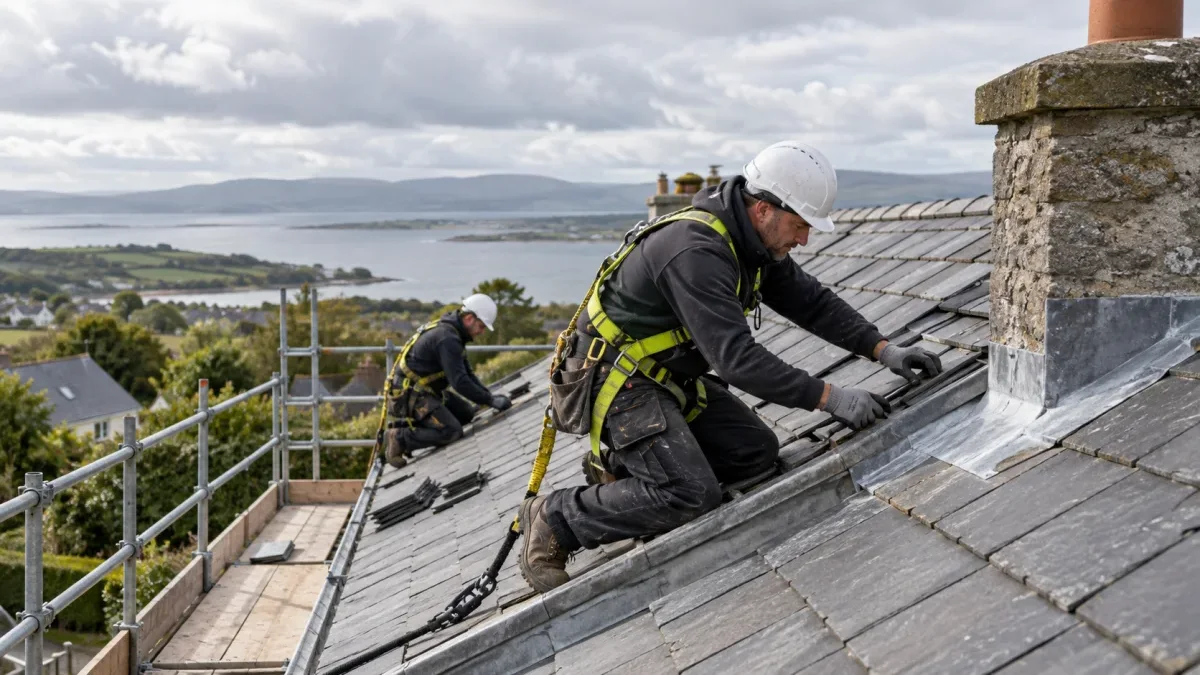
A dry verge system provides a smart, modern solution to securing the edge of your roof tiles, offering better protection and far less upkeep than old-style mortar. Homeowners across Ireland are switching to dry verge to ward off wind damage, leaks, and the hassle of regular repairs. But how much does it actually cost to get a dry verge system installed in 2026?
In Ireland, you can expect a standard dry verge installation to start from around €350 for the gable ends on a typical house. However, for larger or more complex roofs, the price may begin at €850 or more. Factors such as roof size, design complexity, scaffolding needs, and the condition of your existing roof will all influence the final bill. If you’re in Dublin, you might also find slightly higher rates compared to the rest of the country due to increased labour costs.
This guide breaks down all the key cost factors, regional differences, and what you need to check before hiring a contractor. If you’re considering a dry verge system for your home, read on for practical tips and a detailed price table to help you budget effectively.
Typical Dry Verge Installation Costs in Ireland (2026)
| Job | Typical price (incl. VAT) |
|---|---|
| Standard dry verge installation (gable ends, typical house)Includes supply and fit for straightforward, accessible roofs. | €350 – €500 |
| Complex/large roof installationFor larger roofs, multiple gables, or difficult access. | €850 – €1,400 |
| Scaffolding (if required)May be necessary for high or tricky rooflines. | €150 – €400 |
| Repairs to damaged edge tiles (if found)Depends on extent of repair required. | €50 – €200+ |
| Removal of existing mortar verge | €80 – €180 |
| Extra for Dublin regionReflects higher labour and operational costs. | €50 – €150 |
| VAT (included above) | 23% standard rate |
Prices are typical 2026 estimates and vary by job, condition and location.
What Is a Dry Verge System?
A dry verge system is a modern alternative to traditional mortar for finishing and protecting the edges of roof tiles at your gable ends. Instead of cement, pre-formed plastic or uPVC units are clipped or screwed into place, giving a tidy, weatherproof seal.
This system helps prevent wind uplift, blocks water ingress, and generally lasts longer with less maintenance. Most systems come with a neat finish, adding to your home’s kerb appeal as well as its resilience.
Breakdown of Dry Verge Installation Costs
The price of installing a dry verge system depends on several factors. For a standard house with easy access, the supply and fitting typically costs from €350 – €500. More complicated or larger installations – perhaps for houses with several gables or difficult rooflines – can range from €850 upwards, especially where specialist access (like scaffolding) is required.
- Scaffolding can add €150 – €400 if your roof is tricky to reach.
- Repairs to damaged tiles or the removal of old mortar will push up the cost.
- Expect to pay a premium of €50 – €150 if you live in the Dublin area, reflecting higher wages and operational costs.
Key Factors That Affect Cost
Not all roofs are the same, so your quote may vary depending on:
- Roof size: The longer the gable, the more materials and labour required.
- Roof complexity: Hips, multiple gables, or awkward shapes are more expensive.
- Condition of existing verge: Damaged or unstable tiles need repair first.
- Access: High or hard-to-reach roofs may need scaffolding.
- Region: Dublin tends to be pricier for roofing work than the rest of Ireland.
Regulations, VAT, and Grants
Dry verge systems in Ireland must comply with the relevant building regulations to ensure protection against the weather and long-term durability. Engage only qualified, experienced contractors for your roofing project.
Don’t forget VAT: the standard 23% rate applies and is generally included in quoted prices. Currently, there are no SEAI grants specifically for dry verge installations, but it’s wise to check with the SEAI or your contractor in case broader home energy upgrades apply.
Tips for Choosing a Contractor and Getting Best Value
- Always request at least three itemised quotes from established local roofers.
- Ask about previous experience with dry verge systems and request references or photos of past work.
- Make sure the contractor is registered and aware of Irish building codes.
- Have your roof condition thoroughly inspected to avoid unwelcome surprises – and additional costs – mid-job.
- Consider the long-term savings: while initial costs for dry verge are higher than for mortar-pointing, maintenance and repairs are far less frequent.
Frequently asked questions
Does a dry verge system require much maintenance?+
No, that’s one of their main benefits. Unlike mortar, which cracks and falls away over time, dry verge systems are designed to be maintenance-free once properly installed.
Will a dry verge system fit my existing roof?+
Most modern dry verge products are compatible with common tile types in Ireland. A reputable contractor will be able to assess your specific roof and recommend suitable options.
Is planning permission needed for dry verge installation?+
No, replacing a mortar verge with a dry verge system is considered minor works and does not require planning permission. However, the work must comply with current building regulations.
How long does installation take?+
For an average house, a dry verge system can typically be fitted in one day, unless repairs or extensive access equipment are needed.
Is it worth paying extra for installation in Dublin?+
Dublin rates tend to be higher, but established city contractors may offer a faster turnaround or warranty. Always compare several quotes and check reviews before committing.
Are there any grants for dry verge installation?+
Currently, dry verge installation is not specifically covered by SEAI grants, but it’s worth consulting SEAI resources or your contractor about eligibility for broader home upgrades.
Sources and editorial notes
This legacy guide has not yet completed the current claim-level citation review. Treat prices as broad estimates, verify current rules with the relevant authority and obtain a written professional quotation. See our editorial policy.
Official guidance and further reading
These links are further reading and do not substantiate every estimate above.
Ready to describe your project?
Tell us about your roofing & guttering job and compare free quotes from interested local professionals. You can also browse roofing & guttering professionals.