Emergency Electrical Service Costs in Ireland: 2026 Guide
Legacy guide: external source review is pending. How we review guides
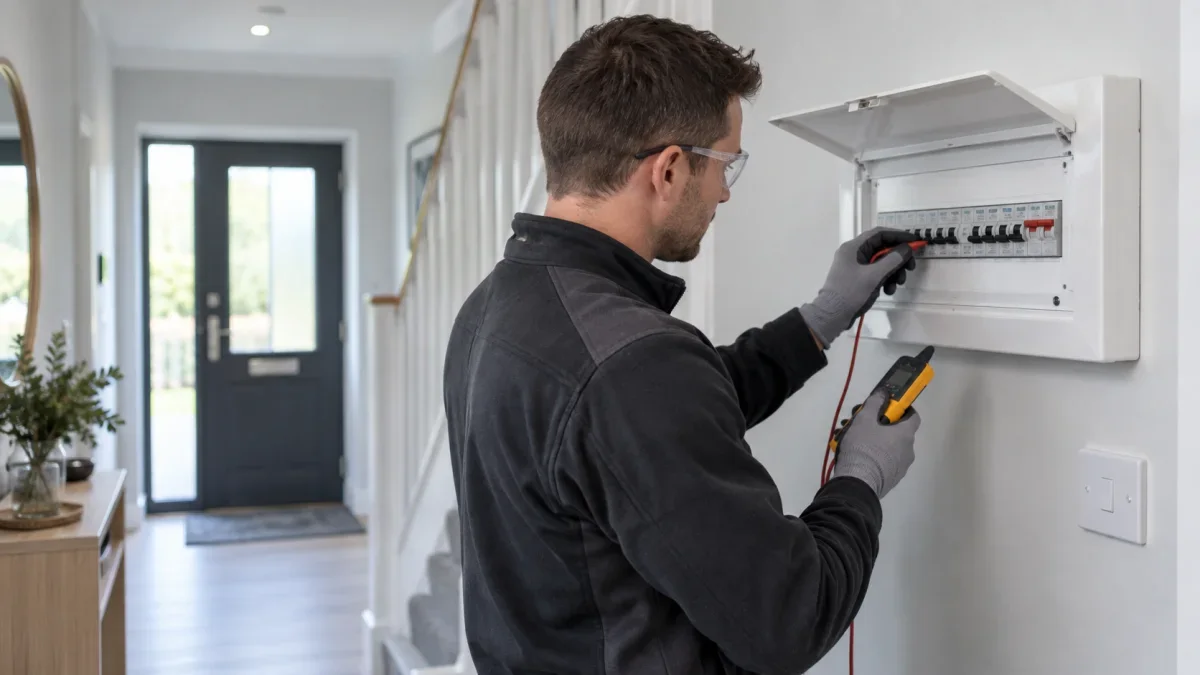
If you’re facing an electrical emergency in Ireland, knowing what to expect in terms of costs can save you from added stress. As of 2026, emergency electrical service rates are considerably higher than for pre-scheduled work, especially during nights, weekends, or public holidays when urgent help is needed.
Typical call-out fees for emergency electricians range from €190 for a daytime visit (usually including the first hour of labour) to between €275 and €495 for out-of-hours or late-night interventions. Hourly rates during emergencies generally run from €80 up to €120, and these can easily escalate depending on location—Dublin tends to be at the upper end of the scale due to higher demand and cost of living.
For straightforward emergencies resolved within an hour, expect to pay at least €190–€275, with more complex or prolonged jobs often coming in higher. All figures are subject to VAT, usually charged at 13.5%, so always confirm with your electrician whether the quoted rate includes this. Below, you’ll find typical 2026 rates and advice for navigating electrical emergencies safely and cost-effectively.
Typical Emergency Electrical Service Prices in Ireland (2026)
| Job | Typical price (incl. VAT) |
|---|---|
| Daytime emergency call-out (7am–7pm, incl. first hour)Depends on region and urgency | €190–€275 |
| Nighttime emergency call-out (7pm–7am)Higher end for Dublin and complex jobs | €275–€495 |
| Emergency hourly rate (after first hour)Rate may be higher for nights/weekends | €80–€120 |
| Standard call-out fee (non-emergency)Usually includes the first hour | €95–€165 |
| Standard hourly rate (non-emergency)For comparison purposes | €55–€80 |
| Typical electrician day rate (pre-booked)Average €280; not usually for emergencies | €220–€500 |
| Additional troubleshooting/complex repairOn top of call-out if needed | +€80–€150 per hour |
| VAT (if not included)Check if included in quotes | 13.5% |
Prices are typical 2026 estimates and vary by job, condition and location.
What Impacts the Price of Emergency Electrical Work?
Several key factors determine how much you’ll pay for an emergency electrician in Ireland. Prices are rarely uniform, even for similar job types.
- Time of service: Nights, weekends, and public holidays always cost more.
- Location: Expect higher charges in Dublin and other cities compared to rural areas.
- Nature and severity of the issue: If extensive fault-finding or immediate risk-mitigation is needed, costs increase.
- Duration: The longer the job takes, the more you’ll pay—emergency hourly rates are often much higher than standard rates.
- Electrician’s qualifications: Registered, highly experienced electricians may charge more, but bring peace of mind.
Always ask your electrician to break down their pricing in advance where possible, including VAT.
Understanding Emergency Electrician Rates: Day vs Night
Emergency rates are structured differently from regular work. Daytime emergencies typically cost less than those arising late at night or during weekends. For example, a call-out during normal daytime hours (7am–7pm) starts at €190 and may go up to €275 for more involved work or in areas with high demand. Once you move into late evening and night (7pm–7am), call-outs begin at €275 and can reach as much as €495 in Dublin, depending on urgency and complexity.
These higher costs reflect the immediate availability, disruption to the electrician’s schedule, and often the technical or safety-critical nature of the work involved.
Are There Regional Differences?
Where you live in Ireland will influence the final bill for emergency electrical call-outs. Dublin consistently reports the highest rates, thanks to increased demand and the general cost of living. Elsewhere in the country, you may find rates at the lower end of national averages, but all emergency work still carries a significant premium over planned visits.
No matter your location, always confirm rates (and VAT) with your chosen contractor before work begins.
Keeping Costs Down: Smart Steps for Homeowners
- If possible, request quotes from more than one Safe Electric registered electrician—even in an emergency.
- Check whether VAT is included in the quoted rates to avoid misunderstandings.
- Ask for a clear breakdown: call-out fee, hourly rate, and potential extra charges for parts or extended work.
- Keep up with regular electrical inspections—these can prevent emergencies arising in the first place.
- If your home electrical system is old, investigate SEAI grants for eligible upgrades (note: these won’t apply to emergencies, but help future-proof your installation).
Why Using a Registered Electrician Matters
All emergency electrical work should be carried out by Safe Electric registered electricians. Safe Electric is Ireland’s statutory regulatory scheme and ensures contractors are qualified and operate in compliance with national safety standards.
- Always ask for the electrician’s registration number.
- Registered electricians supply a completion certificate, which is important for insurance and resale value.
- Unqualified work can invalidate insurance and pose serious safety risks.
Frequently asked questions
What is the minimum I should expect to pay for an emergency electrician?+
Expect at least €190 for a daytime call-out (including the first hour). Nighttime and urgent jobs start from €275 and can be higher depending on circumstances.
Do emergency electrician prices include parts?+
Usually, the call-out and hourly rates only cover labour. Required replacement parts are normally extra, and their cost will be added to the final bill.
Will my home insurance cover emergency electrical costs?+
Some insurance policies include emergency assistance, but most don’t cover wear and tear or pre-existing issues. Check your specific policy for details and exclusions.
How do I verify that my electrician is registered?+
Ask for their Safe Electric registration number, or check the contractor’s details at SafeElectric.ie. Only registered electricians are authorised for electrical work in Irish homes.
Can I get SEAI grants for emergency electrical repairs?+
SEAI grants do not cover emergency repairs. However, you may be able to get grant support for planned upgrades or safety improvements to your electrical system.
Sources and editorial notes
This legacy guide has not yet completed the current claim-level citation review. Treat prices as broad estimates, verify current rules with the relevant authority and obtain a written professional quotation. See our editorial policy.
Official guidance and further reading
- CCPC: Home improvement and building work disputes
- Safe Electric: Find a Registered Electrical Contractor
These links are further reading and do not substantiate every estimate above.
Ready to describe your project?
Tell us about your electrical job and compare free quotes from interested local professionals. You can also browse electrical professionals.