External Wall Insulation Costs in Ireland: 2026 Guide
Legacy guide: external source review is pending. How we review guides
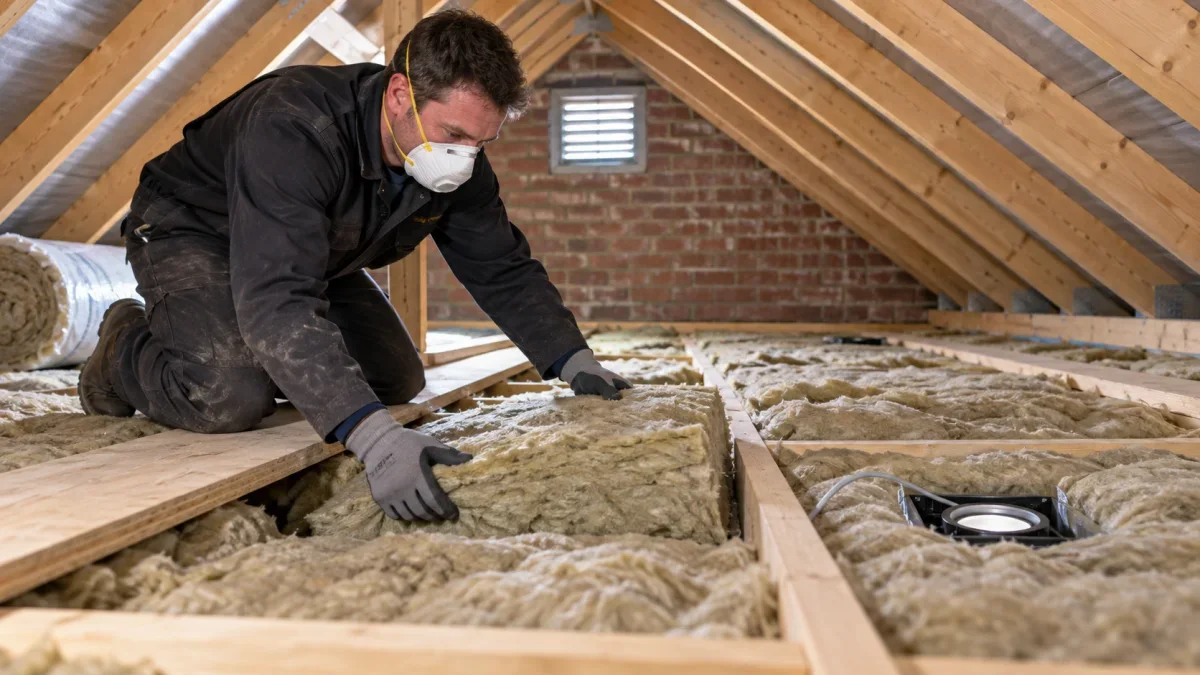
External wall insulation (EWI) is one of the most effective ways to keep the heat in and the cold out, especially for older Irish homes with solid walls. By wrapping your house in a layer of modern insulation, you can achieve lower heating bills, a cosier atmosphere, and possibly enhance your property’s value.
But how much does external wall insulation actually cost in Ireland nowadays? For 2026, you can expect to pay between €110 and €160 per square metre for a typical supply-and-fit job, including all materials, labour, scaffolding, and a standard render finish. For an average semi-detached house, total costs usually come in between €16,500 and €24,000 before any grants.
It’s important to consider that SEAI grants can significantly reduce your out-of-pocket expense. With current grants ranging from €3,000 for an apartment up to €8,000 for a detached house, EWI may be more accessible than you think. In this guide, we’ll break down costs per house type, explain what factors influence price, and walk you through grants and key steps for a successful upgrade.
External Wall Insulation Costs in Ireland (2026)
| Job | Typical price |
|---|---|
| Detached house (full EWI)Before grants; typical for 200–220m² wall area | €22,000 – €32,000 |
| Semi-detached houseApprox. 150m² wall area | €16,500 – €24,000 |
| Mid-terrace houseApprox. 90–100m² wall area | €11,000 – €16,000 |
| ApartmentGenerally smaller areas treated | €8,000 – €12,000 |
| Per square metre (all-in)Includes materials, labour, scaffolding, standard render | €110 – €160 |
| SEAI grant – DetachedSee eligibility requirements | €8,000 |
| SEAI grant – Semi-detached/End terrace | €6,000 |
| SEAI grant – Mid-terrace | €3,500 |
| SEAI grant – Apartment | €3,000 |
Prices are typical 2026 estimates and vary by job, condition and location.
What is External Wall Insulation – and Why Do It?
External wall insulation (EWI) involves fixing a solid layer of insulation to your home’s exterior walls before applying a render or decorative finish. Unlike cavity wall insulation, EWI is particularly useful for properties built before the mid-1970s, which typically have solid masonry walls. The benefits are notable:
- Substantially improved energy efficiency and reduced heating bills
- Enhanced warmth and comfort during colder months
- A fresh, modern look for older or tired exteriors
- Potential to increase your property’s resale value
- Helps lower your carbon footprint
External Wall Insulation Costs Explained
The installation price varies based on property type, wall area, and complexity. For 2026, expect an all-in rate of €110–€160 per square metre, which covers insulation materials, labour, scaffolding, and a standard render finish. Here’s how that translates to typical home types:
- Detached house: €22,000–€32,000
- Semi-detached: €16,500–€24,000
- Mid-terrace: €11,000–€16,000
- Apartment: €8,000–€12,000
These costs can be trimmed with the help of SEAI grants, which are discussed further below. Always check the current rates, as they can change.
Main Factors That Affect the Cost
Not every EWI project is made equal. The final price for your home can increase or decrease depending on several factors:
- Total external wall area – The larger the surface, the higher the cost.
- Complexity of the building – Homes with many corners, bays, or hard-to-reach spots may need extra labour.
- Material choices – Premium insulation boards or specialised renders add to the bill.
- Regional differences – Labour costs in cities like Dublin may be higher than in rural areas.
- Accessibility – Additional scaffolding for tall or difficult-to-access properties will boost costs.
- Condition of the existing wall – Necessary repairs to pointing or old finishes may incur extra charges.
SEAI Grants and How to Apply
The Sustainable Energy Authority of Ireland (SEAI) supports homeowners by offering generous grants for EWI. For 2026, grant values are:
- Detached house: €8,000
- Semi-detached/end-terrace: €6,000
- Mid-terrace: €3,500
- Apartment: €3,000
To qualify, your home must have been built and occupied before 2011 and the work must be carried out by an SEAI-registered contractor. There are two ways to manage the process: handle everything yourself (self-managed), or use a One Stop Shop service who oversees everything from quotes to final paperwork.
It’s vital to get several quotes from SEAI-registered contractors before proceeding. Once you’ve chosen your contractor, apply online at seai.ie and follow their steps for grant approval, works scheduling, and payment claim after completion.
Tips for a Successful External Wall Insulation Project
- Obtain multiple quotes – Prices and approaches can vary, so compare at least three reputable tradespeople.
- Check credentials – Only hire SEAI-registered installers with proven EWI experience.
- Choose quality materials – Opting for higher-grade insulation pays off in long-term comfort and savings.
- Plan for possible disruption – Scaffolding and external works may take 2–3 weeks.
- Confirm if planning permission is needed – Especially relevant for listed or conservation area homes.
- Maintain your investment – Inspect the render finish annually and repair any cracks to keep thermal performance at its best.
Finally, remember that work is taxed at the reduced 13.5% VAT rate as of 2026, making this a more affordable, future-proof improvement than you might expect.
Frequently asked questions
Is external wall insulation worth the investment in Ireland?+
Yes. EWI can reduce energy use, lower heating bills substantially, improve comfort, and add real value to older properties—especially when grants are factored in.
How long does external wall insulation last?+
High-quality installations with proper maintenance can easily last 25 years or longer. Keep the external render in good repair to protect the insulation beneath.
Will I need planning permission for external wall insulation?+
In most standard cases, no. However, if your property is located in a conservation area or is a listed building, always check with your local authority before proceeding.
How long does the installation take?+
Most EWI projects for houses take around 2–3 weeks, weather permitting. More complex or larger homes may take longer.
Can I live in my home during the work?+
Yes, EWI is an external process, so you can usually remain at home throughout the job. There may be some noise and disruption, but no need to move out.
What’s included in a typical EWI quote?+
A comprehensive quote should cover insulation boards, fixings, external render, scaffolding, labour, and removal of waste. Always confirm the full scope before signing.
Sources and editorial notes
This legacy guide has not yet completed the current claim-level citation review. Treat prices as broad estimates, verify current rules with the relevant authority and obtain a written professional quotation. See our editorial policy.
Official guidance and further reading
- CCPC: Home improvement and building work disputes
- SEAI: Individual home energy upgrade grants
- SEAI: Find a registered professional
These links are further reading and do not substantiate every estimate above.
Ready to describe your project?
Tell us about your insulation job and compare free quotes from interested local professionals. You can also browse insulation professionals.