Garage Conversion Costs in Ireland: 2026 Guide
Legacy guide: external source review is pending. How we review guides
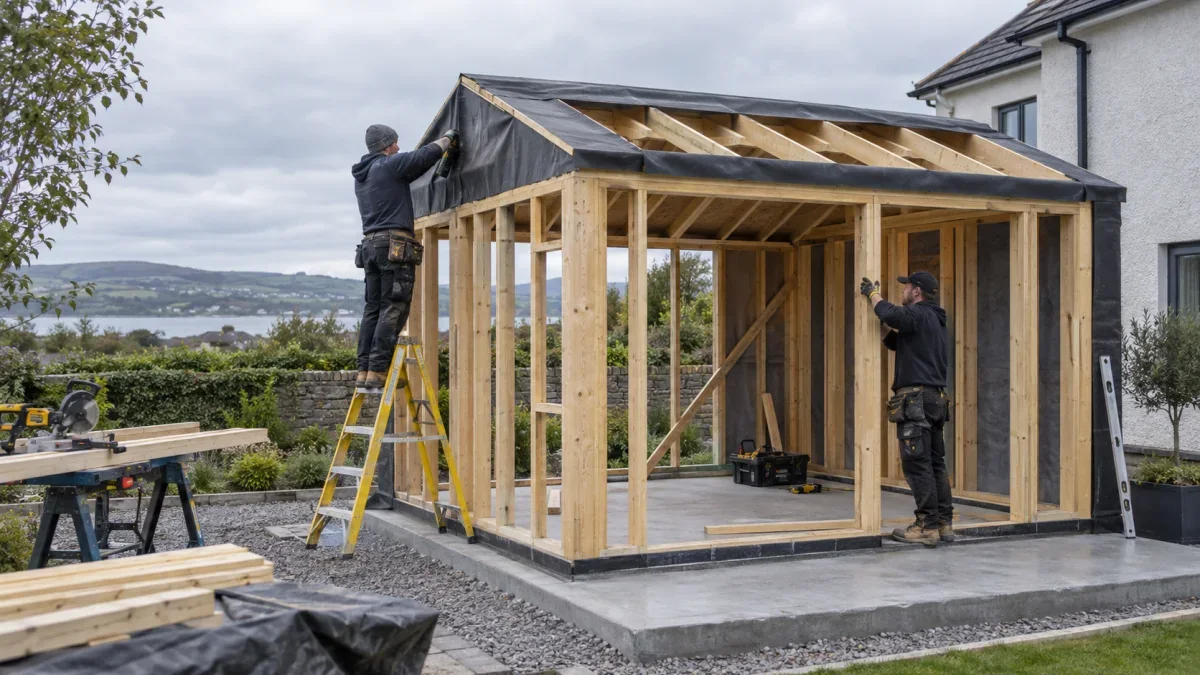
Converting an existing garage into liveable space is one of the most popular and cost-effective ways to extend your home's usable area without the upheaval of a full extension. As of 2026, homeowners in Ireland can expect a garage conversion to cost between €20,000 and €30,000 for a basic project. This would include essential works like insulation, new flooring, electrics, and replacing the garage door with a proper wall and window.
For higher-end conversions involving premium finishes, structural changes, or additional rooms such as an ensuite bathroom, costs can easily reach €30,000 to €60,000. Location is another key factor – expect prices to be at the higher end of the scale in Dublin or other urban areas. These figures include VAT at 13.5%, but always confirm with contractors that your quote is VAT-inclusive to avoid surprises.
In this guide, we'll break down what goes into these costs, regional differences, grants and regulations, and tips to ensure your garage conversion is a smooth and successful investment.
Typical Garage Conversion Costs in Ireland (2026)
| Job | Typical price (incl. VAT) |
|---|---|
| Basic garage conversion (single garage)Includes insulation, flooring, electrics, replacing garage door with wall/window | €20,000 – €30,000 |
| High-end conversion (single garage)Premium materials, possible structural work, extra rooms | €30,000 – €60,000 |
| Replace garage door with wall & window | €3,000 – €7,000 |
| Insulation and drylining | €2,000 – €4,000 |
| Electrical rewiring and sockets | €2,000 – €3,500 |
| Plumbing for bathroom or utilityDepends on scope and distance to waste supply | €3,000 – €8,000 |
| Internal flooring (supply & fit) | €1,500 – €3,000 |
| Painting & finishing works | €2,000 – €4,000 |
Prices are typical 2026 estimates and vary by job, condition and location.
What’s Included in a Garage Conversion?
A standard garage conversion involves transforming your cold, concrete space into a warm, comfortable room that integrates seamlessly with the rest of your home. Key elements typically include:
- Upgrading insulation for walls, floor and ceiling
- Replacing the garage door with a new insulated wall and window(s)
- Internal studwork and drylining
- Installation of electrics (sockets, lighting)
- Heating connections or solutions
- Floor levelling and new flooring
- Plastering, skirting and internal doors
- Painting and finishes
Key Factors Affecting Garage Conversion Costs
Several variables will influence the final price tag of your project. Consider these main cost drivers:
- Size of the garage—larger garages or double garages cost more
- Structural changes—such as raising floor levels or supporting new openings
- Intended use—adding a bathroom or kitchenette means more plumbing and specialist work
- Quality of finishes—from basic to luxury materials
- Location—projects in Dublin or other large towns may cost more due to higher labour and material prices
Regional Variations: Dublin vs. Elsewhere
In general, garage conversion costs are slightly higher in Dublin and other urban centres due to increased demand for contractors and higher local wages. If you’re in a rural area, you might secure a more competitive quote for the same scope of work. However, true regional differences depend on the availability of skilled trades and material supply in your chosen location.
VAT, Grants & Regulatory Tips
VAT is charged at 13.5% for construction work in Ireland. Make sure your quote is VAT-inclusive—this can make a significant difference to your overall budget.
Direct SEAI grants for garage conversions are uncommon. These grants mainly target energy upgrades; your project might only be eligible if it significantly improves your home’s energy rating—such as through deep insulation or renewable systems. Always check directly with SEAI or your contractor to confirm eligibility.
Planning permission is sometimes required for garage conversions, particularly if the works alter the building’s use or appearance. Double-check with your local authority before starting. Allow 10–15% extra budget for unforeseen issues like hidden damp, service rerouting, or regulation upgrades discovered during the build.
Frequently asked questions
Is planning permission always required for a garage conversion?+
Not always. Permission is often needed if you change the external appearance (e.g., new windows) or turn the garage into a standalone living unit. Check with your local council before starting.
Can I get SEAI grants for a garage conversion?+
Only if you’re including energy-saving improvements like advanced insulation or renewable heating. Typical conversions aren’t directly covered unless part of broader upgrades.
Are quotes for garage conversions VAT-inclusive?+
Always double-check. In Ireland, VAT on construction is 13.5%. Ensure written quotes clearly state if VAT is included to avoid budget surprises.
How long does a garage conversion take?+
Most single-garage projects take 4–8 weeks from start to finish, depending on complexity, weather, and availability of tradespeople.
What unexpected costs should I budget for?+
Hidden damp, electrical upgrades, or rerouting pipes can arise. Set aside an extra 10–15% of your main budget as a safety net.
Sources and editorial notes
This legacy guide has not yet completed the current claim-level citation review. Treat prices as broad estimates, verify current rules with the relevant authority and obtain a written professional quotation. See our editorial policy.
Official guidance and further reading
These links are further reading and do not substantiate every estimate above.
Ready to describe your project?
Tell us about your garage & outdoor structures job and compare free quotes from interested local professionals. You can also browse garage & outdoor structures professionals.