How Much Does Damp Proofing Cost in Ireland? (2026 Price Guide)
Legacy guide: external source review is pending. How we review guides
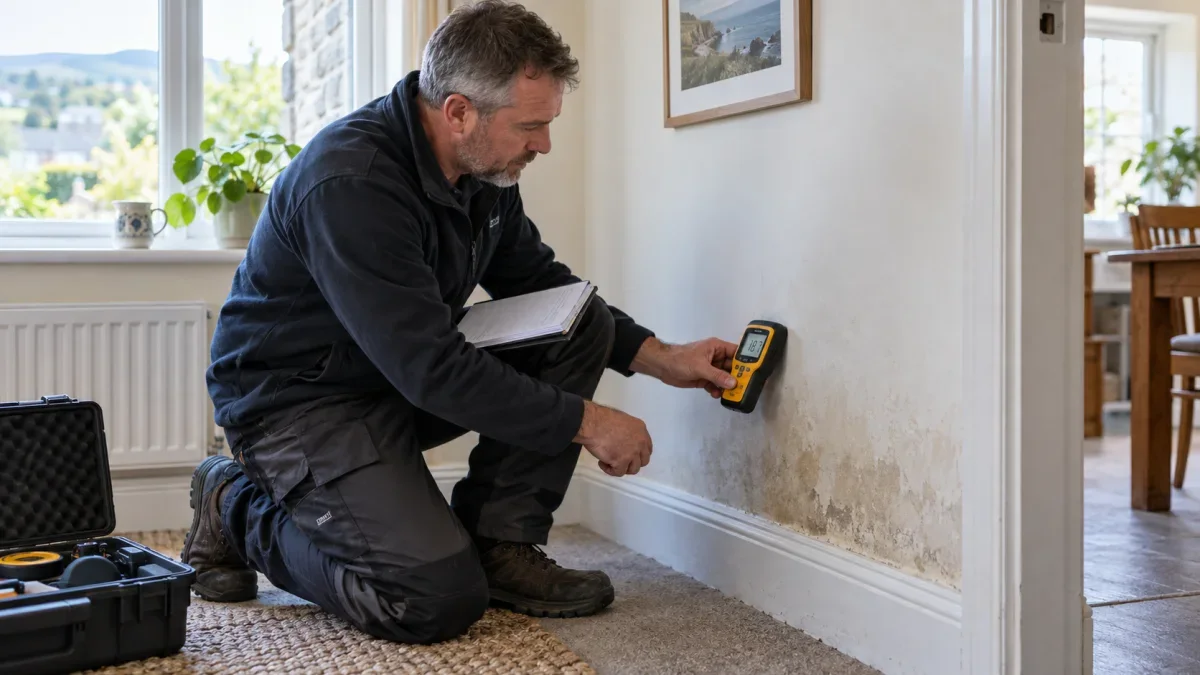
Damp is one of the most persistent problems facing Irish homes, especially given our damp climate and older housing stock. If you’ve noticed tide marks, musty smells, or mould patches, addressing the issue early—and understanding the potential costs—is vital. In 2026, the cost to damp proof a home in Ireland varies widely, depending on the type and severity of the problem, the size and layout of your property, and the specific solution required.
For the most common treatments, expect to pay between €1,000 and €3,500 to inject a chemical damp-proof course for rising damp in a typical semi-detached house. Tackling penetrating damp, such as fixing cracked render or bad guttering, might start around €500 for minor work, but could stretch beyond €4,000 if extensive repairs or structural interventions are needed. Dealing with condensation problems—often through better ventilation—ranges from €300 to €2,500. These are broad figures, so it pays to get a detailed survey and quotes from reputable contractors before proceeding.
In this guide, we’ll break down the typical costs for each type of damp treatment, highlight the main factors that affect pricing, and offer practical tips for getting value and good workmanship. We’ll also cover finance options and what grants might (or might not) be available for associated work.
Damp Proofing Cost Guide for Ireland (2026)
| Job | Typical price (incl. VAT) |
|---|---|
| Rising Damp Treatment (chemical injection, semi-detached home)Costs can exceed €5,000 for large homes or extensive replastering. | €1,000 – €3,500 |
| Penetrating Damp (minor repairs)Addressing specific issues like small render cracks or gutter faults. | €500 – €1,200 |
| Penetrating Damp (major repairs/structural)Includes render replacement, roof work, or major structural fixes. | €1,500 – €4,000+ |
| Condensation Solutions (extractor fans/PIV)Depends on property size and system complexity. | €300 – €2,500 |
| Attic Insulation (SEAI-related grant)Helps prevent some types of damp but not a direct treatment. | up to €2,000 grant |
| Cavity Wall Insulation (SEAI-related grant)Can assist in damp prevention. | up to €1,800 grant |
| External Wall Insulation (SEAI-related grant)Useful for improving protection against water ingress. | up to €8,000 grant |
| VAT (included in above prices)Always confirm with your contractor. | 13.5% standard rate |
Prices are typical 2026 estimates and vary by job, condition and location.
Types of Damp Proofing and Typical Costs
Damp in Irish homes usually falls into three main categories: rising damp, penetrating damp, and condensation. Each has its own causes and best methods of treatment.
- Rising Damp: Treated by injecting a chemical damp-proof course. Costs start around €1,000 for a small area, rising to €3,500 for an average house, and potentially over €5,000 if a large area needs work or extensive replastering is necessary.
- Penetrating Damp: This is about moisture coming through the walls or roof—from cracked render, defective gutters, or roofing issues. Minor fixes can cost €500–€1,200, but structural repairs or widespread issues can exceed €4,000.
- Condensation: Caused by poor ventilation, this is usually solved with extractor fans or PIV systems. Expect costs between €300 and €2,500 depending on scale and system features.
What Influences the Cost of Damp Proofing?
No two homes are exactly alike, and the final bill for damp proofing depends on several factors. Being aware of these helps you plan your budget and avoid surprises.
- Extent of the problem: More widespread or severe damp requires more comprehensive (and expensive) solutions.
- Property size and complexity: Larger homes or those with unusual layouts drive up labour and material costs.
- Accessibility: Difficult-to-reach or awkward spaces take more time to treat, increasing costs.
- Choice of materials and systems: Higher-quality materials and advanced ventilation systems will cost more upfront, but may offer better, lasting results.
- Location: Urban areas like Dublin often have higher prices, but more competition among contractors may lead to better value.
Financial Assistance and SEAI Grants
Although there are no direct SEAI grants for damp proofing, some insulation upgrades are grant-aided and can help prevent damp by improving your home’s fabric.
- Attic Insulation: Grants up to €2,000 for detached homes.
- Cavity Wall Insulation: Grants up to €1,800 for detached homes.
- External Wall Insulation: Grants up to €8,000 for detached homes.
While these measures are not substitutes for treating active damp, they can reduce the risk of future moisture problems when professionally installed. Always check the latest SEAI guidance as grant rates change periodically.
VAT and Legal Considerations
Damp proofing works fall under the reduced 13.5% VAT rate for construction services in Ireland, already included in most quotes. Always confirm with your contractor that VAT is incorporated and check for a full written, itemised invoice. This protects you in case of disputes and is important if you are claiming any grants or tax reliefs.
Choosing a Quality Damp Proofing Contractor
A good contractor is essential for a lasting solution. Don’t rush the process—comparison shopping can save significant money and headaches.
- Get at least three quotes and insist on a thorough inspection before prices are provided.
- Look for contractors who are members of relevant trade bodies or hold recognised qualifications.
- Ask for references and evidence of previous similar projects.
- Check that the contractor is fully insured for damp proofing work.
- Read the small print: warranties can vary significantly between firms.
Remember, the cheapest quote isn’t always best—experience, materials, and reputation matter when it comes to protecting your home from damp.
Practical Prevention and Maintenance Tips
- Peeling paint or wallpaper, especially at skirting level
- Mould patches in corners or behind furniture
- Musty odours, especially after rain
- Blocked or leaking gutters and downpipes
If you spot anything worrying, act promptly: small interventions are far less costly than major repairs down the line.
Frequently asked questions
How can I tell what type of damp I have?+
The main types are rising damp (tide marks at the base of walls), penetrating damp (localised patches near external defects), and condensation (mould or damp on cold surfaces). A professional survey will confirm the cause.
Is damp proofing covered by SEAI or government grants?+
There are no direct grants for damp proofing, but SEAI offers grants for insulation, which can help prevent some types of damp, especially condensation and minor ingress.
Will VAT be included in my damp proofing quote?+
Yes, Irish contractors almost always include the 13.5% VAT in standard quotes, but always check explicitly and ensure you receive a full written invoice.
Do I need to replaster after treating rising damp?+
In most cases, yes. After injecting a chemical damp-proof course, salt-contaminated plaster will need replacing, adding to the overall cost.
How long does a typical damp proofing solution last?+
A properly installed damp-proof course or ventilation system should last decades if maintained, though guarantees will vary by contractor and system.
Can DIY damp proofing save money?+
Surface treatments and basic repairs can be done DIY, but lasting results for rising or penetrating damp need professional diagnosis and work, to avoid costly recurrence.
Sources and editorial notes
This legacy guide has not yet completed the current claim-level citation review. Treat prices as broad estimates, verify current rules with the relevant authority and obtain a written professional quotation. See our editorial policy.
Official guidance and further reading
These links are further reading and do not substantiate every estimate above.
Ready to describe your project?
Tell us about your damp & waterproofing job and compare free quotes from interested local professionals. You can also browse damp & waterproofing professionals.