How Much Does Emergency Electrician Service Cost in Ireland? [2026 Price Guide]
Legacy guide: external source review is pending. How we review guides
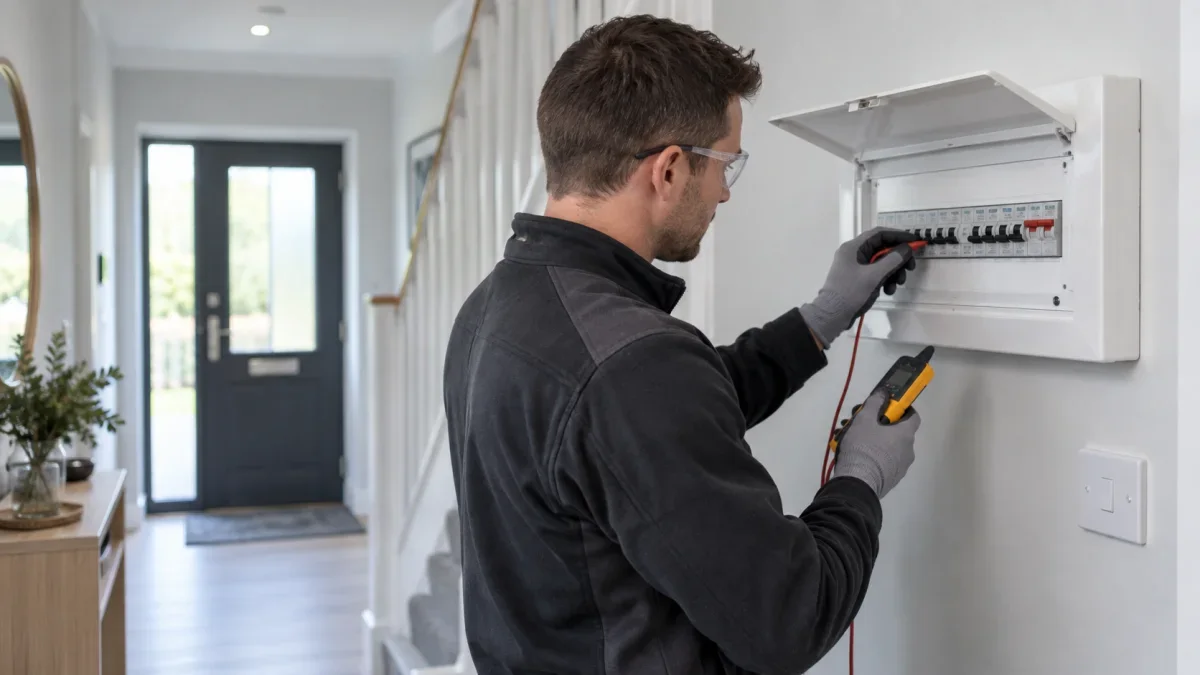
No one wants to find themselves in need of an emergency electrician, but when trouble strikes – from power outages to dangerous faults – quick action is vital. In Ireland, emergency electrician services in 2026 typically start from €110–€180 for the first hour during regular business hours. Out-of-hours calls, covering evenings, weekends, and bank holidays, often cost significantly more, usually beginning at €150 and rising to €200 or more per hour depending on location and time.
These fees generally include the first hour of labour, though additional charges will apply for further hours or specialised work. Dublin homeowners can expect to pay on the higher end of the scale, while those living in other parts of Ireland may find slightly lower rates. It’s also important to remember that all electrical services in Ireland are subject to 23% VAT unless otherwise stated – a detail that can make a big difference to your final bill.
In this guide, you’ll find clear 2026 price ranges, details on what affects costs, and practical tips to help you choose a reputable, fairly-priced emergency electrician when you need it most.
Typical Emergency Electrician Costs in Ireland (2026)
| Job | Typical price (incl. VAT) |
|---|---|
| Standard call-out fee (business hours, first hour)Varies by location and provider. | €110 – €180 |
| Out-of-hours call-out fee (evenings/weekends)Covers the first hour; premium for unsociable hours. | €150 – €200 |
| Additional labour per hour (after first hour)Depends on complexity and provider. | €70 – €100 |
| Dublin call-out fee (business hours)Reflects higher demand/cost of living. | €100 – €150 |
| Rest of Ireland call-out fee (business hours)Slightly lower in some areas. | €110 – €140 |
| Typical VAT rate on servicesCheck if included in quoted prices. | 23% |
| Specialist diagnostics/equipment surchargeApplies to complex emergency issues. | €30 – €80 |
Prices are typical 2026 estimates and vary by job, condition and location.
What Affects the Cost of Emergency Electrician Services?
Emergency electrician fees aren’t one-size-fits-all. Several key factors determine what you’ll actually pay:
- Time of day and week: Services during evenings, weekends or bank holidays cost more.
- Location: City rates – especially in Dublin – are usually higher than in smaller towns or rural areas.
- Complexity of the problem: Difficult faults, major rewiring, or use of specialist equipment often carry extra charges.
- Duration of the work: While a first-hour fee is standard, most electricians charge per additional hour after that.
- VAT: All prices quoted should state whether they include the 23% VAT.
Standard vs Out-of-Hours Emergency Rates
There’s a marked difference between normal working hours and out-of-hours call-outs. During standard business hours, emergency electricians charge between €110 and €180 for the first hour, including the call-out. For issues arising at night, on weekends, or bank holidays, you’ll usually pay €150 or more just for the first hour – with some Dublin firms quoting up to €200.
After the initial hour, providers typically charge an extra €70–€100 per hour. Always confirm what’s included in the initial fee and when additional hourly rates begin to apply.
Dublin vs The Rest of Ireland: Regional Price Differences
Dublin’s busier market and higher cost base mean fees are often at the steeper end. Some Dublin electricians offer business-hour call-out fees as low as €100, but it’s common for them to be closer to €150. In rural parts of Ireland, you may find the emergency call-out cost slightly lower, although access and availability can be limited – so response times may be longer outside the main cities.
Tips for Finding a Reputable Emergency Electrician
- Check registration: All electricians should be registered with Safe Electric, Ireland’s official regulatory body – this ensures you’re protected under Irish law and regulations.
- Get a breakdown of costs: Insist on clear quotes that specify what’s covered, VAT, and rates for further hours or parts.
- Compare when possible: For urgent needs you may not have time, but where possible, ask more than one provider for their rates.
- Keep details handy: Store emergency contact numbers now rather than searching at the last minute when disaster strikes.
When Should You Call an Emergency Electrician?
- Total loss of power with no identifiable cause.
- Exposed wires or burning smells from sockets/fuse boards.
- Electric shocks from appliances or outlets.
- Flooding or water ingress near electrical systems.
- Repeated tripping of fuses or circuit breakers that you cannot identify or fix yourself.
Never try to fix serious electrical faults yourself. Your safety, and that of your household, is the top priority. A registered emergency electrician will quickly assess and resolve the issue safely.
Frequently asked questions
Does the call-out fee include labour and parts?+
The call-out fee usually covers the first hour’s labour, but not always parts or materials. Always check if the quote is inclusive and what counts as additional.
Is VAT included in emergency electrician quotes?+
Not always. Many electricians quote prices exclusive of VAT, so confirm which applies to avoid an unexpected 23% increase on your bill.
How quickly can an emergency electrician attend?+
In cities like Dublin, response is usually within 1–2 hours. Rural areas may see longer wait times due to availability and travel distance.
Can I get a fixed price for emergency electrical repairs?+
Some emergency jobs are charged at fixed rates, but more complex faults may be billed hourly after diagnostics. Clarify before work starts.
Is it mandatory for electricians to be Safe Electric registered?+
Yes, all operating electricians in Ireland must be registered with Safe Electric, ensuring compliance with safety and legal standards.
What situations count as emergencies?+
Power loss, electric shocks, burning smells, exposed wires, and water damage near electrics are all valid reasons to call an emergency electrician.
Sources and editorial notes
This legacy guide has not yet completed the current claim-level citation review. Treat prices as broad estimates, verify current rules with the relevant authority and obtain a written professional quotation. See our editorial policy.
Official guidance and further reading
- CCPC: Home improvement and building work disputes
- Safe Electric: Find a Registered Electrical Contractor
These links are further reading and do not substantiate every estimate above.
Ready to describe your project?
Tell us about your electrical job and compare free quotes from interested local professionals. You can also browse electrical professionals.