How Much Does Spray Foam Roof Insulation Cost in Dublin? (2026 Prices)
Legacy guide: external source review is pending. How we review guides
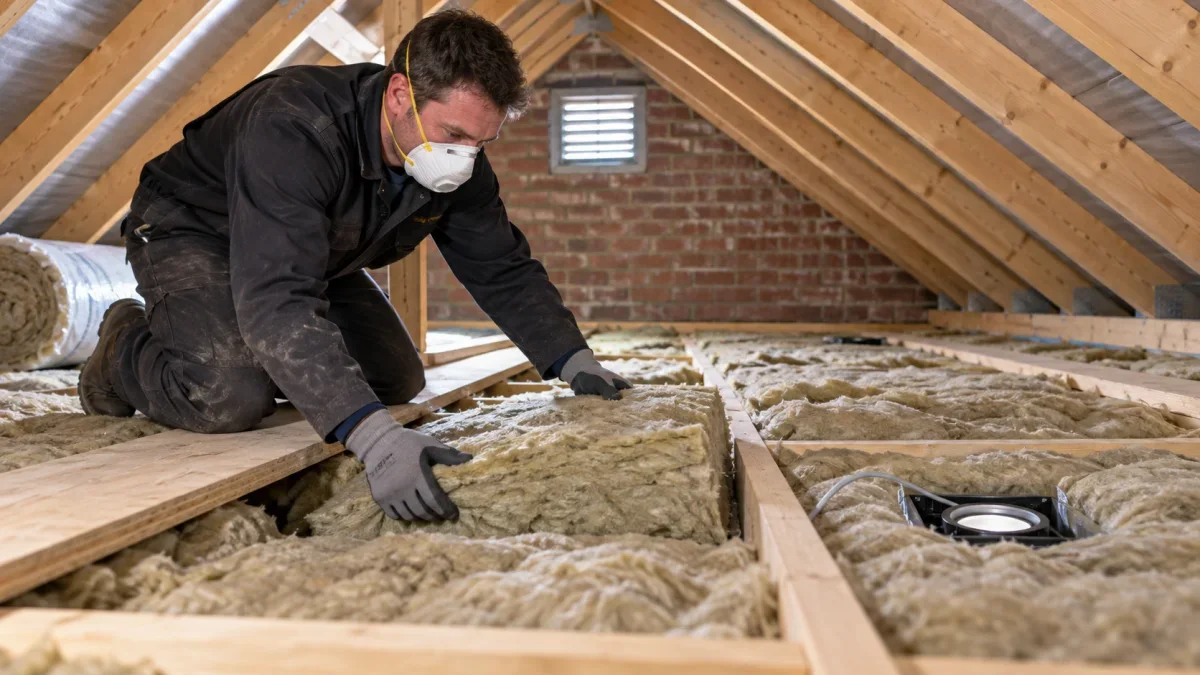
Spray foam insulation remains a popular choice for Dublin homeowners seeking better energy efficiency and long-term savings. In 2026, you’ll typically pay between €28 and €65 per square metre, depending on whether you go for open-cell or closed-cell spray foam. The price you pay depends on the type of foam and the complexity of your roof, as well as important extras like ventilation cards required for Irish regulations.
For a standard 3-bed semi-detached roof, expect to pay between €1,600 and €4,200 for spray foam roof insulation, with costs rising for larger or more complex properties. Additional factors, including SEAI grants of up to €2,000 and the reduced VAT rate for insulation works, can significantly offset your upfront investment.
This guide walks you through current spray foam roof insulation prices in Dublin for 2026, explains the reasons behind the price range, and offers expert advice to help you get the most out of your insulation project.
Typical 2026 Spray Foam Roof Insulation Costs in Dublin
| Job | Typical price (incl. VAT, €) |
|---|---|
| Open-Cell Spray Foam (per sq metre)For timber roofs; breathable and flexible | €28 – €40 |
| Closed-Cell Spray Foam (per sq metre)For concrete/metal roofs; rigid and water-impermeable | €48 – €65 |
| 3-Bed Semi-Detached Loft FloorFlat, accessible attic area | €1,600 – €2,400 |
| 3-Bed Semi-Detached Rafters (pitched)Spray foam follows roof pitch | €2,800 – €4,200 |
| 4-Bed Detached (large roof)Complex/large roof lines | €4,000 – €6,000+ |
| Ventilation Card InstallationEssential for regulations and mortgage approval | €400 – €800 |
| SEAI Grant (Detached)Available for qualifying houses | Up to €2,000 |
| SEAI Grant (3-bed Semi/End-Terrace)Available for qualifying houses | Up to €1,300 |
| SEAI Grant (Mid-Terrace/Apartment)Available for qualifying properties | Up to €1,200 / €800 |
Prices are typical 2026 estimates and vary by job, condition and location.
Understanding Spray Foam Types and Their Typical Uses
Spray foam insulation in Ireland is available as open-cell or closed-cell foam, each with its own specific applications and benefits. Open-cell foam is breathable and flexible, making it suitable for timber roof structures commonly found in Dublin homes. By contrast, closed-cell foam is denser, rigid, and highly water resistant, recommended for concrete or metal roofs in commercial or industrial settings.
- Open-cell spray foam: Best for pitched/timber attics; costs €28–€40/m²; breathable and flexible.
- Closed-cell spray foam: Ideal for concrete/metal roofs or non-residential buildings; costs €48–€65/m²; strong and water-impermeable.
Total Project Costs Explained
The overall cost of a spray foam insulation upgrade varies most with property size and application style. For a three-bed semi-detached home in Dublin, flat attic floor insulation with open-cell foam typically costs €1,600 to €2,400. If you opt to spray between the rafters following the roof's pitch, costs rise to €2,800–€4,200 owing to the complexity and increased surface area. Larger detached houses with extensive rooflines can see prices starting around €4,000 and exceeding €6,000 for full rafter coverage.
What Impacts the Final Price?
- Type of spray foam used (open vs. closed cell)
- Roof structure complexity and condition
- Total roof area to be covered
- Labour and access requirements
- Mandatory installation of a 50mm ventilation channel behind foam—vent cards typically €400–€800 extra but required for building regulation and mortgage approval.
Making the Most of SEAI Insulation Grants
The Sustainable Energy Authority of Ireland (SEAI) offers substantial grants to help offset roof insulation costs. For 2026, grants range from €800 for apartments up to €2,000 for detached houses. To be eligible, your home must have been built and occupied before 2011, possess a valid BER certificate, and works must be carried out by an SEAI-registered installer. These grants reduce your net outlay considerably and, in many cases, make higher-quality materials or installation methods more accessible.
Expert Tips for Dublin Homeowners
- Always get at least three quotes from SEAI-registered contractors.
- Check installer credentials and request proof of SEAI registration.
- Be wary of the cheapest quote—compliance with ventilation requirements is a must for warranty and resale value.
- Assess the potential long-term savings on your energy bills; spray foam insulation can pay for itself over several years.
Frequently asked questions
What’s the main difference between open-cell and closed-cell spray foam?+
Open-cell foam is softer and more flexible, making it suitable for residential timber roofs, while closed-cell foam is denser and ideal for non-residential or metal/concrete applications.
Does spray foam insulation qualify for SEAI grants in Dublin?+
Yes, provided your home was built before 2011 and you use an SEAI-registered contractor. Grants range from €800 to €2,000 depending on property type.
Is ventilation card installation really necessary?+
Yes. Irish regulations require a 50mm ventilation space to prevent roof timber rot. Ventilation card installation is often needed for compliance and mortgage approval.
How long does spray foam roof insulation last?+
When properly installed, spray foam insulation typically lasts as long as your roof—20 years or more.
Do I need to pay full VAT on insulation works?+
No, roof insulation labour and materials are subject to a reduced 13.5% VAT rate in Ireland, helping cut your overall cost.
How can I make sure my spray foam installer is qualified?+
Ask for their SEAI registration details and references. Only use Dublin contractors familiar with Irish Building Regulations and the grant process.
Sources and editorial notes
This legacy guide has not yet completed the current claim-level citation review. Treat prices as broad estimates, verify current rules with the relevant authority and obtain a written professional quotation. See our editorial policy.
Official guidance and further reading
- CCPC: Home improvement and building work disputes
- SEAI: Individual home energy upgrade grants
- SEAI: Find a registered professional
These links are further reading and do not substantiate every estimate above.
Ready to describe your project?
Tell us about your insulation job and compare free quotes from interested local professionals. You can also browse insulation professionals.