Roof Insulation Costs in Ireland: 2026 Price Guide
Legacy guide: external source review is pending. How we review guides
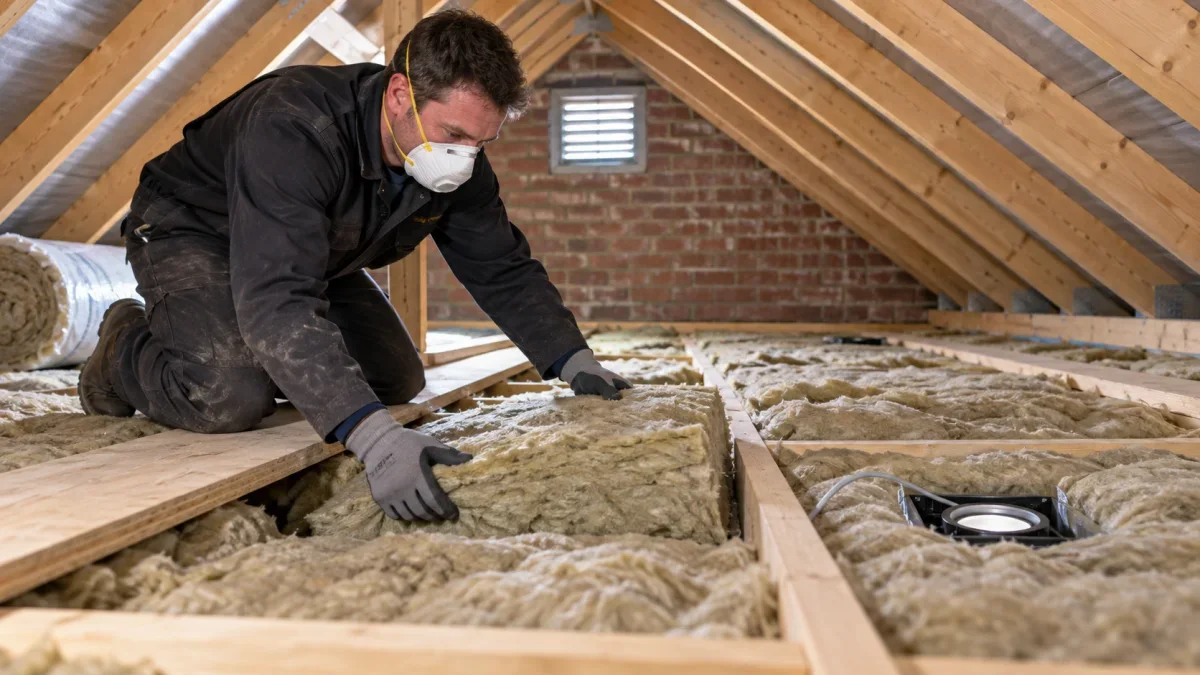
With energy bills front of mind and climate targets to hit, many Irish homeowners are considering roof insulation as the smartest upgrade in 2026. But what should you budget for this essential work? Attic insulation typically costs between €600 and €2,000, depending on property type. Apartments are at the lower end (around €600–€900) while detached houses can be up to €2,000 for more complex jobs. For spray foam insulation, costs are charged per square metre: expect €28–€40 for open-cell foam and €48–€65 for closed-cell foam.
Crucially, SEAI grants can now cover most or even all of your attic insulation costs. The standard homeowner grant covers up to €2,000 for detached properties, tapering down for smaller homes. First-time buyers and qualifying welfare recipients can access up to €2,500 regardless of property type, making roof insulation accessible for many on a tight budget. Spray foam insulation, however, is not generally grant-aided.
Understanding what influences the price – from dwelling size and insulation material to access and removal of older insulation – helps avoid nasty surprises. This guide breaks down typical costs, grant eligibility, VAT, and the role of accredited contractors, arming Irish homeowners with everything needed to plan a successful roof insulation job in 2026.
Typical Roof Insulation Costs in Ireland (2026)
| Job | Typical price |
|---|---|
| Attic insulation (apartment) | €600 – €900 |
| Attic insulation (mid-terrace house) | €700 – €1,100 |
| Attic insulation (semi-detached or end-of-terrace house) | €800 – €1,200 |
| Attic insulation (detached house) | €1,200 – €2,000 |
| Spray foam (open-cell, per m²)Not typically SEAI grant-aided | €28 – €40 |
| Spray foam (closed-cell, per m²)Not typically SEAI grant-aided | €48 – €65 |
| SEAI standard grant (detached)Up to €2,500 for first-time buyers or qualifying applicants | Up to €2,000 |
| SEAI standard grant (mid-terrace)Up to €2,500 for first-time buyers or qualifying applicants | Up to €1,400 |
Prices are typical 2026 estimates and vary by job, condition and location.
What Factors Affect Roof Insulation Costs?
Several details can sway your roof insulation quote, sometimes significantly. The biggest driver is the size and type of your property—a detached home with a large attic is markedly costlier than a small apartment. Complex or hard-to-access roof designs also push up labour hours and material usage.
- Property size and complexity: Larger or more intricate roofs require more materials and longer installation.
- Existing insulation: Removing old or damaged material means extra labour (and disposal fees).
- Access difficulties: Tight or cluttered attics cost more to insulate properly.
- Material choice: Spray foam is more expensive per square metre than mineral wool or rolls.
- Location: Dublin and other major urban areas typically have higher labour and material rates.
SEAI Grants: What’s Available in 2026?
The SEAI continues to support insulation upgrades with grants that can offset or even fully cover the cost of attic insulation. Standard grants run up to €2,000 for detached houses, with lower bands for terraces and apartments, all detailed on SEAI’s website. First-time buyers and several categories of welfare recipients can access enhanced grants of €2,500—sometimes more than you’ll need for the job.
- Your property must be built and occupied prior to 2011.
- Owner-occupiers only (landlords and new builds aren’t eligible).
- All work must be carried out by an SEAI-registered contractor.
- Grants for spray foam insulation are not common—standard materials only.
- You’ll need a post-works BER assessment to finalise your claim.
VAT, Payment, and What the Price Includes
Irish homeowners benefit from a reduced VAT rate of 13.5% on insulation works, already factored into most quotes you’ll receive. Typical prices include supply and installation, but it’s vital to check whether the removal of any previous insulation is covered, particularly where suspect materials like spray foam or vermiculite are present.
How To Pick the Right Contractor—and Avoid Common Pitfalls
To qualify for a grant, check your installer is on SEAI’s approved contractor list. Ask for a home survey and written breakdown: a reputable firm will inspect existing insulation and talk you through available options. Where large grants are involved, avoid cutting corners—insist on quality materials and tidy fitting for best long-term performance.
- Request references and examples of previous local work.
- Confirm insulation will meet current building regs for depth and coverage.
- Double-check the warranty on both the materials and workmanship.
- Book work well ahead; SEAI-registered installers are in high demand.
What Return on Investment Can You Expect?
While up-front costs can seem steep, especially for larger homes, proper attic insulation often pays back within a few winters through reduced heating bills. Spray foam involves a larger outlay and is best suited to specific situations such as complex or awkwardly shaped roofs where other materials are impractical. The vast majority of Irish homeowners will see the best return by choosing mineral wool or similar SEAI-approved rolls—especially with grants offsetting most of the cost.
Frequently asked questions
How much will roof insulation actually cost me after the SEAI grant?+
In most cases, the SEAI grant covers the full cost of standard attic insulation, so your out-of-pocket payment can be minimal or even zero. Only if your quote exceeds the eligible grant amount will you pay the difference.
Is spray foam insulation included in SEAI grants?+
No, spray foam (open-cell or closed-cell) is generally not covered by SEAI. Grants typically apply to rolls, batts, or blown-in mineral wool insulation.
Do I need to remove my old insulation before a new install?+
Not always, but if your current insulation is damaged, mouldy, or unsafe, removal is recommended. Good contractors will advise after a proper on-site assessment.
How do I check if my contractor is SEAI-registered?+
Visit SEAI’s official website and use their register search function, or ask your contractor for their SEAI number before booking any work.
How long will roof insulation installation take?+
Most standard attic insulation jobs take one day for typical houses. Removal of old material or awkward access can add extra time.
Sources and editorial notes
This legacy guide has not yet completed the current claim-level citation review. Treat prices as broad estimates, verify current rules with the relevant authority and obtain a written professional quotation. See our editorial policy.
Official guidance and further reading
- CCPC: Home improvement and building work disputes
- SEAI: Individual home energy upgrade grants
- SEAI: Find a registered professional
These links are further reading and do not substantiate every estimate above.
Ready to describe your project?
Tell us about your insulation job and compare free quotes from interested local professionals. You can also browse insulation professionals.