Sewage Treatment System Installation Costs in Ireland: 2026 Price Guide
Legacy guide: external source review is pending. How we review guides
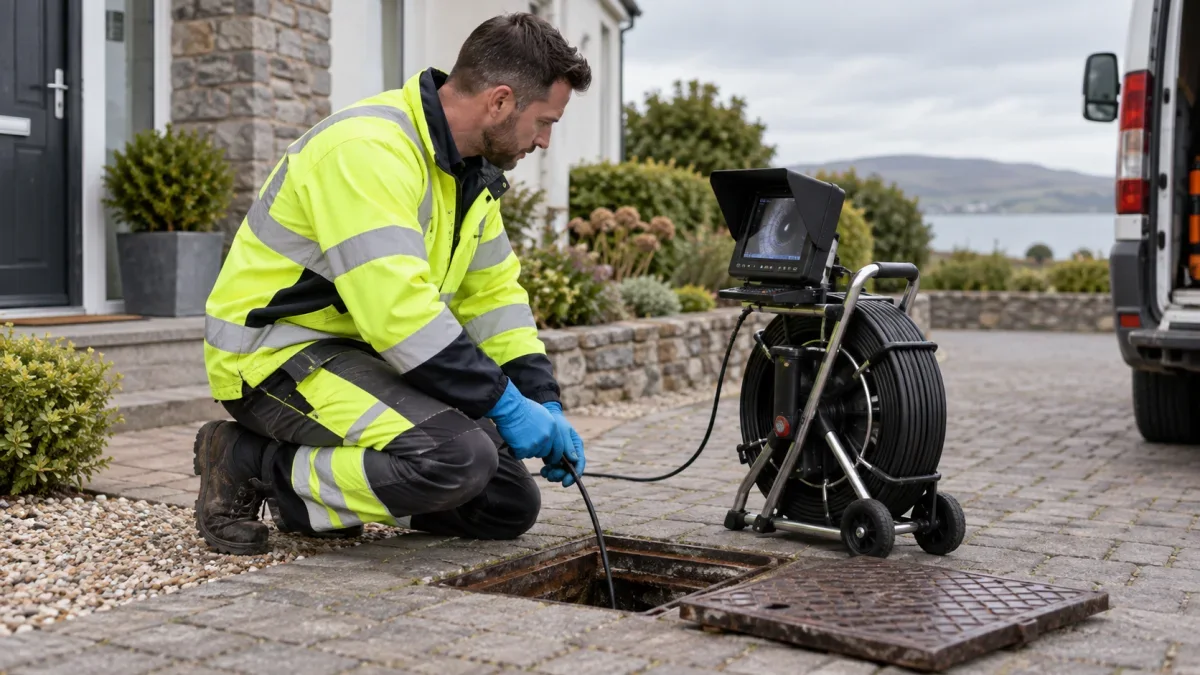
If your home isn’t linked to the public sewer system, a sewage treatment system—such as a septic tank or a more advanced domestic wastewater treatment plant—is a legal and practical necessity. But with rising material and labour costs in recent years, Irish homeowners are right to ask: how much does a new sewage treatment system installation really cost in 2026?
A basic septic tank setup, including the tank itself, appropriate groundworks, and the required percolation area, typically costs between €6,000 and €10,000 in Ireland. For a more advanced wastewater treatment plant (with a polishing filter area), you can expect to pay anywhere from €8,500 to €16,500, depending on your site’s condition and local requirements.
This price guide cuts through the guesswork. Here you'll find everything you need to budget accurately, from breaking down typical installation costs to explaining grants, regional pricing variations, and key regulatory factors.
Typical Sewage Treatment System Installation Costs in Ireland (2026)
| Job | Typical price (incl. VAT) |
|---|---|
| Septic tank (supply only) | €1,500 – €2,000 |
| Percolation area and groundworks (septic tank)Depends on site accessibility, soil, system size | €4,500 – €8,000 |
| Typical septic tank installation (all-in) | €6,000 – €10,000 |
| Wastewater treatment plant (supply only) | €3,500 – €4,500 |
| Polishing filter & groundworks (treatment plant, easy site) | €5,000 – €7,000 |
| Polishing filter & groundworks (treatment plant, difficult site) | €8,000 – €12,000 |
| Typical treatment plant installation (all-in) | €8,500 – €16,500 |
Prices are typical 2026 estimates and vary by job, condition and location.
Types of Sewage Treatment Systems and What Affects Price
Homeowners have two principal options: the traditional septic tank or a more sophisticated wastewater treatment plant. Both require careful installation and adherence to environmental standards, but costs and suitability can differ greatly depending on your site.
- Septic tanks are often cheaper upfront, but need suitable soil (for soakage) and proper percolation areas.
- Wastewater treatment plants are required in areas where soil conditions are poor or stricter regulations apply. They’re more expensive, but offer better performance and environmental protection.
- Advanced systems (e.g., aerobic tanks) can add to cost but may be necessary for challenging sites.
Site location, accessibility, and ground conditions—especially soil soakage and the water table—are critical. Rural sites may be less expensive for labour but can have higher groundwork costs if access is tricky or land is unsuitable.
Cost Breakdown: From Tank to Full Installation
Installation is a major job, going far beyond just buying the tank or plant. Expect costs in several chunks:
- Tank or system itself – the hardware, supplied by a specialist.
- Groundworks and percolation/polishing filter – trenching, gravel, piping, and often specialist soil tests or assessments.
- Labour – skilled installation is essential for function and compliance.
- Ancillary costs – planning permission, inspection fees, VAT.
Including all elements, septic tank installations tend to run from €6,000–€10,000, while a new treatment plant setup is €8,500–€16,500. Difficult sites and urban areas (especially around Dublin) push costs to the upper end.
How Grants Can Offset Your Costs
Irish homeowners may be able to claim generous state support for sewage system upgrades or replacement, provided certain criteria are met:
- Domestic Waste Water Treatment System (DWWTS) Grant: Up to 85% of the costs, capping at €12,000, for houses failing a local authority inspection (house must be in permanent occupation and over seven years old).
- Group Sewerage Scheme Grant: 75% covered, up to €6,500 per home, for two or more households sharing a new scheme.
- Eligibility and scheme details can change, so always check with your local authority and review current grant guidelines before proceeding.
Regulatory Compliance and Running Costs
Installations must adhere to planning regulations, Environmental Protection Agency (EPA) standards, and pass regular local authority inspections. Non-compliance can lead to fines or costly remedial works.
- Planning permission is necessary for all new installations or substantial upgrades.
- Some systems may be eligible for a reduced VAT rate, but most incur the standard 23%.
- Ongoing maintenance is essential—budget for annual servicing and periodic desludging, as this is checked during inspections.
Tips for Smoother, More Cost-effective Installation
- Always arrange a thorough site assessment before committing to a system type.
- Get at least three itemised quotes from experienced, accredited installers with solid local knowledge.
- Check installer credentials carefully—ask about experience with EPA standards, planning permission, and grant paperwork.
- Invest in regular servicing to extend your system’s lifespan and prevent failures.
- Plan for time—including waiting on grant approval, inspections, and weather delays with groundwork.
Frequently asked questions
Do I need planning permission to install or replace a sewage treatment system?+
Yes. In Ireland, planning permission is required for new sewage treatment system installations or substantial upgrades. Your local authority can provide full details on the process and requirements.
Can I claim a grant for a new sewage treatment system?+
You might be eligible for the DWWTS grant (up to €12,000) if your existing system fails inspection. There are also grants for group sewerage schemes. Check eligibility and scheme status with your local authority before proceeding.
How often must I service or empty my system?+
Systems should be serviced annually and desludged every 1–3 years, depending on usage and manufacturer advice. Regular maintenance is vital for compliance and performance.
Does VAT apply to sewage treatment system installations?+
Most installations incur the standard VAT rate of 23%, but certain elements may qualify for reductions or exemptions. Confirm with your installer and consult the Revenue Commissioners or your accountant for the latest guidance.
What happens if my site fails the 'percolation' test?+
If a percolation (soakage) test fails, a traditional septic tank is usually not suitable. You may need to invest in a treatment plant with an engineered polishing filter, which is more expensive but ensures environmental compliance.
Sources and editorial notes
This legacy guide has not yet completed the current claim-level citation review. Treat prices as broad estimates, verify current rules with the relevant authority and obtain a written professional quotation. See our editorial policy.
Official guidance and further reading
These links are further reading and do not substantiate every estimate above.
Ready to describe your project?
Tell us about your drainage & septic job and compare free quotes from interested local professionals. You can also browse drainage & septic professionals.