Spray Foam Insulation Costs in Ireland (2026): The Complete Guide
Legacy guide: external source review is pending. How we review guides
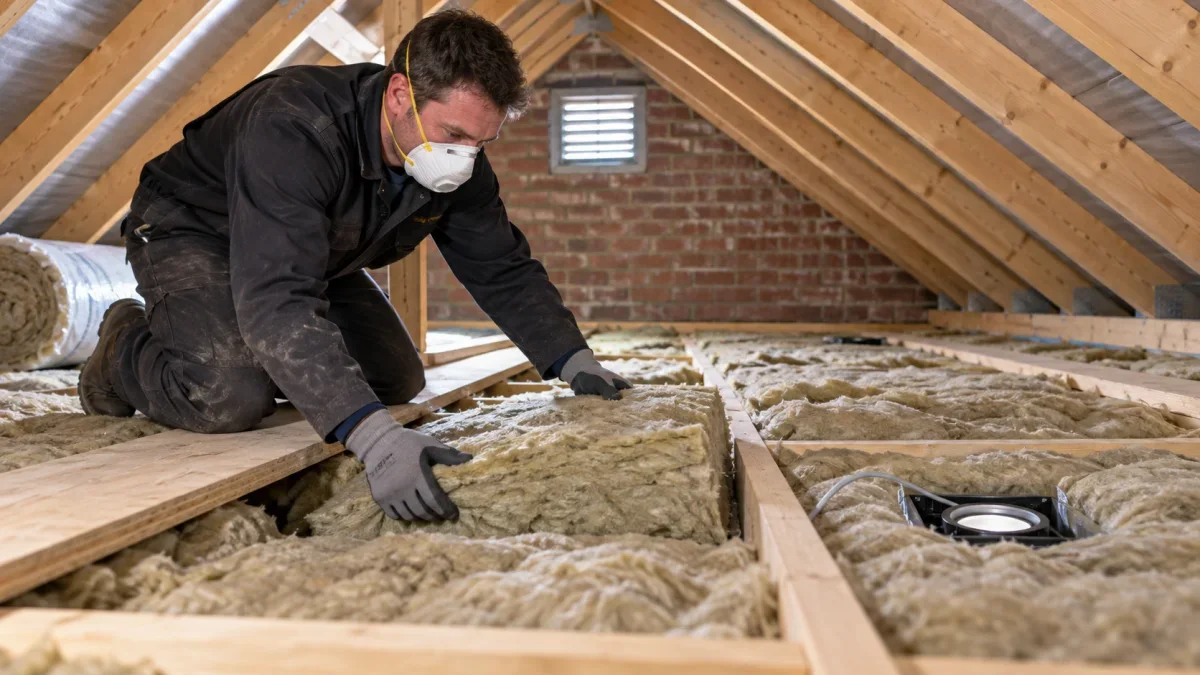
Spray foam insulation is increasingly popular in Irish homes thanks to its ability to cut heat loss, boost energy efficiency, and help meet ever-tougher building regulations. Prices, though, can vary quite a bit depending on the type of foam, project size and specific installation needs.
Across Ireland in 2026, you can expect to pay between €28 and €40 per square metre for open-cell spray foam, or €48 to €65 per square metre for closed-cell foam. For a typical attic floor in a 3-bed semi-detached house, the job will likely cost €1,600–€2,400, with more complex rafter sprays going up to €4,200 or more. Adding essential extras like ventilation cards for compliance may bump the price up further.
The good news is there’s meaningful financial help available: SEAI grants can cover attic insulation for eligible Irish homes to the tune of €800 for an apartment, up to €2,000 for a detached house. Below we break down the typical costs, what influences the final bill, and how to maximise value for your home.
Typical Spray Foam Insulation Costs in Ireland (2026)
| Job | Typical price (inc. VAT) |
|---|---|
| Open-cell spray foam (per square metre) | €28 – €40 |
| Closed-cell spray foam (per square metre) | €48 – €65 |
| Attic floor (3-bed semi-detached, open-cell) | €1,600 – €2,400 |
| Rafter spray (3-bed semi-detached, open-cell) | €2,800 – €4,200 |
| Rafter spray (4-bed detached, open-cell) | €4,000 – €6,000+ |
| Ventilation card installation (per project)Required for building regulations and mortgage approval | €400 – €800 |
| SEAI grant for attic insulation (detached house)Financial assistance available for eligible homes | €2,000 |
| SEAI grant for attic insulation (semi-detached/end-terrace) | €1,300 |
| VAT rate for insulation worksApplied to most home insulation work in Ireland | 13.5% |
Prices are typical 2026 estimates and vary by job, condition and location.
Understanding Spray Foam Insulation Types
There are two key types of spray foam insulation used across Ireland: open-cell and closed-cell. Understanding the difference is important when budgeting for your project.
- Open-cell spray foam: Lightweight and flexible, commonly used for attics and wall cavities in homes. Offers good air-tightness at a lower cost per square metre.
- Closed-cell spray foam: Denser and more rigid, with higher insulation values and superior moisture resistance. Typically costs more and is often chosen for industrial or commercial applications, or where maximum thermal performance is needed.
What Drives the Cost of Spray Foam Insulation?
The final price of spray foam insulation depends on several factors beyond the basic per-square-metre rate. Irish homeowners should be aware of the following:
- Property size and shape: Larger homes or irregular roof spaces will require more material and labour, increasing overall costs.
- Ventilation card installation: Irish Building Regulations stipulate a 50mm ventilation channel behind the foam. Expect an extra €400–€800 for vent cards to meet this requirement.
- Foam thickness: Thicker foam (for higher insulation values or specific building standards) raises material costs.
- Complexity of job: Difficult access, unusual shapes, or need for remedial works may all add to your quotation.
- Region: While prices are broadly similar nationwide, labour rates can be higher in Dublin and commuter belts.
SEAI Grants: Making Insulation Affordable
The Sustainable Energy Authority of Ireland (SEAI) offers grants to help homeowners improve energy efficiency. For spray foam or other attic insulation, you can claim meaningful support if your property is eligible.
- Detached house attic insulation: €2,000
- Semi-detached/end-terrace: €1,300
- Mid-terrace: €1,200
- Apartment: €800
Grants reduce the financial sting of updating your insulation. Be sure to check eligibility and organise installation by an SEAI-registered contractor.
Compliance, VAT, and Choosing a Contractor
- Building regulations: Ensure your installation complies with Irish regulations, particularly around roof ventilation to prevent long-term damage.
- VAT: Most residential spray foam insulation work is subject to 13.5% VAT—make sure your quote clarifies if this is included.
- Contractor credentials: Always check that your installer is qualified, insured, and has experience with spray foam applications in Irish homes.
Non-compliant installations could affect future mortgage applications or introduce moisture risks, so don’t cut corners on credentials or regulation.
Maximising Value: Practical Tips for Homeowners
Getting spray foam insulation right is about more than just price. Focus on the long-term benefits and protect your investment with these steps:
- Get several quotes from SEAI-registered insulation specialists.
- Request references or examples of previous work, ideally on similar home types.
- Ask explicitly about Building Regulation compliance, ventilation, and if vent card installation is included in the quote.
- Explore your eligibility for the SEAI grant before booking the job.
- Factor in future energy savings: quality spray foam can dramatically cut heating bills in a typical Irish home.
Frequently asked questions
How much does it cost to spray foam insulate an attic in a 3-bed semi-detached in Ireland?+
Expect to pay between €1,600 and €2,400 for open-cell spray foam on the attic floor, or €2,800 to €4,200 for rafters (2026 pricing, including VAT).
Do I need vent cards for spray foam insulation in Ireland?+
Yes. Irish Building Regulations require a 50mm ventilation channel behind spray foam to prevent roof rot. Installing vent cards typically adds €400–€800 to your job.
Are there grants for spray foam or attic insulation?+
The SEAI offers attic insulation grants—for example, up to €2,000 for detached houses, €1,300 for semi-detached/end-terrace, and less for smaller homes and apartments. SEAI-registered contractors must be used.
Is VAT included in insulation prices in Ireland?+
Most home insulation work, including spray foam, is subject to 13.5% VAT. Always ask whether VAT is included in your quote.
Why does closed-cell spray foam cost more?+
Closed-cell foam is denser, offers higher insulation value, and greater moisture resistance compared to open-cell foam. This makes it more expensive, typically €48–€65 per square metre.
Does spray foam insulation improve energy efficiency?+
Yes. Spray foam creates an airtight seal that significantly reduces heat loss and can lead to noticeable savings on heating bills, especially in older or draughty homes.
Sources and editorial notes
This legacy guide has not yet completed the current claim-level citation review. Treat prices as broad estimates, verify current rules with the relevant authority and obtain a written professional quotation. See our editorial policy.
Official guidance and further reading
- CCPC: Home improvement and building work disputes
- SEAI: Individual home energy upgrade grants
- SEAI: Find a registered professional
These links are further reading and do not substantiate every estimate above.
Ready to describe your project?
Tell us about your insulation job and compare free quotes from interested local professionals. You can also browse insulation professionals.