Wood Burning Stove Removal Costs in Ireland (2026 Guide)
Legacy guide: external source review is pending. How we review guides
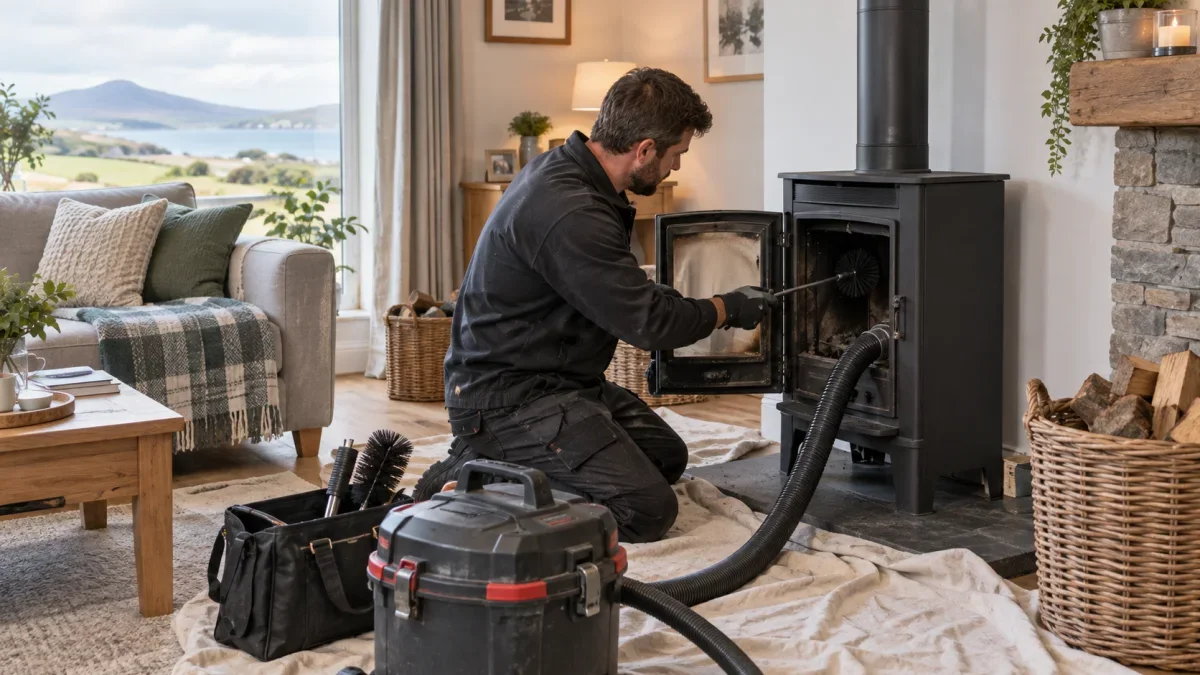
If you’re considering removing a wood-burning stove from your Irish home in 2026, you’ll want a clear idea of the costs involved. Prices for wood-burning stove removal can vary significantly, depending on factors such as the stove's size, its location within the house, and any associated disposal requirements. Generally, homeowners can expect to pay between €200 and €500 for a basic removal service, which typically covers disconnecting the stove, capping the flue, and making the area safe for future use.
However, it’s important to note that costs can rise if your stove is particularly large or difficult to access, or if additional works—such as flue or chimney sealing—are required. Urban locations like Dublin often come with higher labour and disposal fees compared to more rural areas, but you may also find more service providers available in the cities. Hazardous materials, such as asbestos in older stoves or flues, can push costs even higher due to the need for specialised removal.
To help you budget and plan effectively, we break down the typical price ranges, highlight the factors that influence costs, and share practical tips for safe, compliant removal.
Typical Costs for Wood Burning Stove Removal in Ireland (2026)
| Job | Typical Price |
|---|---|
| Basic stove removal (standard size, easy access) | €200–€350 |
| Stove removal (large/heavy unit, upper or lower floor)Extra labour and equipment needed | €350–€500 |
| Capping/sealing flue/chimney (after removal)May be included in some quotes | €80–€200 |
| Disposal of stove and debrisCan be higher if hazardous waste involved | €50–€120 |
| Asbestos testing (if required) | €120–€200 |
| Asbestos removal (if present)Specialist service, varies by extent | €400–€1,000+ |
| Total project cost (typical range)Most jobs fall between €250–€600 | €200–€900+ |
Prices are typical 2026 estimates and vary by job, condition and location.
What Influences the Cost of Stove Removal?
While the headline prices give a useful starting point, it’s important to understand what drives the final cost. Not every stove removal job is straightforward, and several factors can affect your quote.
- Stove size and weight: Larger, heavier models need extra manpower or kit.
- Location in the home: Upper floors or basements involve trickier access.
- Complexity of flue/chimney: Extra works, such as capping or sealing, add to the bill.
- Disposal requirements: Special fees may apply for bulky stoves or hazardous components.
- Regional labour rates: Higher in city areas like Dublin.
Urban vs. Rural Pricing
There’s a noticeable difference in removal costs depending on where you live. Dublin and other cities often attract higher labour fees and waste disposal charges, though contractors may be easier to find. In rural areas, prices may be slightly lower, but availability of experienced tradesmen can sometimes be an issue.
Compliance and Safety: What Homeowners Need to Know
Removing a stove in Ireland isn’t just about getting the job done—it must also meet regulatory requirements. The work should comply with Irish Building Regulations, specifically Technical Guidance Document J, which lays out the rules for heat-producing appliances and chimney safety. If asbestos is suspected in any part of the installation, only licensed specialists should handle removal.
Practical Tips for a Smooth Removal
- Seek multiple quotes from certified contractors experienced in stove and chimney work.
- Always verify credentials and insurance.
- Ask how your old stove and materials will be disposed of—opt for environmentally sound options.
- Flag any concerns about asbestos to your contractor before work begins.
- If fitting a new heating system, plan removal and installation together to streamline costs.
Budgeting for Your Project
Expect most straightforward removals to fall in the €250–€500 range, but be prepared for extra charges if your setup is larger, more complex, or contains hazardous materials. Always clarify exactly what’s included in your quote before proceeding.
Frequently asked questions
What does basic wood burning stove removal include?+
Basic removal covers disconnecting the stove, capping or sealing the flue as needed, and making sure the area is safe for future works. Most contractors will also remove the stove from your home, though disposal may incur extra charges.
Do I need a professional to remove my stove?+
Unless you’re highly experienced, it’s best to use a certified professional. Incorrect removal risks damaging your chimney, breaching building regulations, or exposing you to hazardous materials like asbestos.
Is asbestos common in older wood burning stoves?+
Some older stoves or their surrounding materials (such as insulation or seals) may contain asbestos. If there’s any suspicion, arrange for testing before removal and always use an asbestos specialist if required.
How can I save money on stove removal?+
Gather at least three quotes, and consider scheduling removal alongside the installation of a new heating system to reduce repeat call-out fees. Also, check if your contractor can include environmentally responsible disposal in their price.
Are permits or notifications required for removal?+
While you don’t usually need formal planning permission to remove a stove, the work must comply with Irish Building Regulations. If other major changes are planned, check with your local council.
Sources and editorial notes
This legacy guide has not yet completed the current claim-level citation review. Treat prices as broad estimates, verify current rules with the relevant authority and obtain a written professional quotation. See our editorial policy.
Official guidance and further reading
These links are further reading and do not substantiate every estimate above.
Ready to describe your project?
Tell us about your chimney & stove job and compare free quotes from interested local professionals. You can also browse chimney & stove professionals.