Cavity Wall Insulation Cost Ireland: Full 2026 Guide & SEAI Grant Advice
Legacy guide: external source review is pending. How we review guides
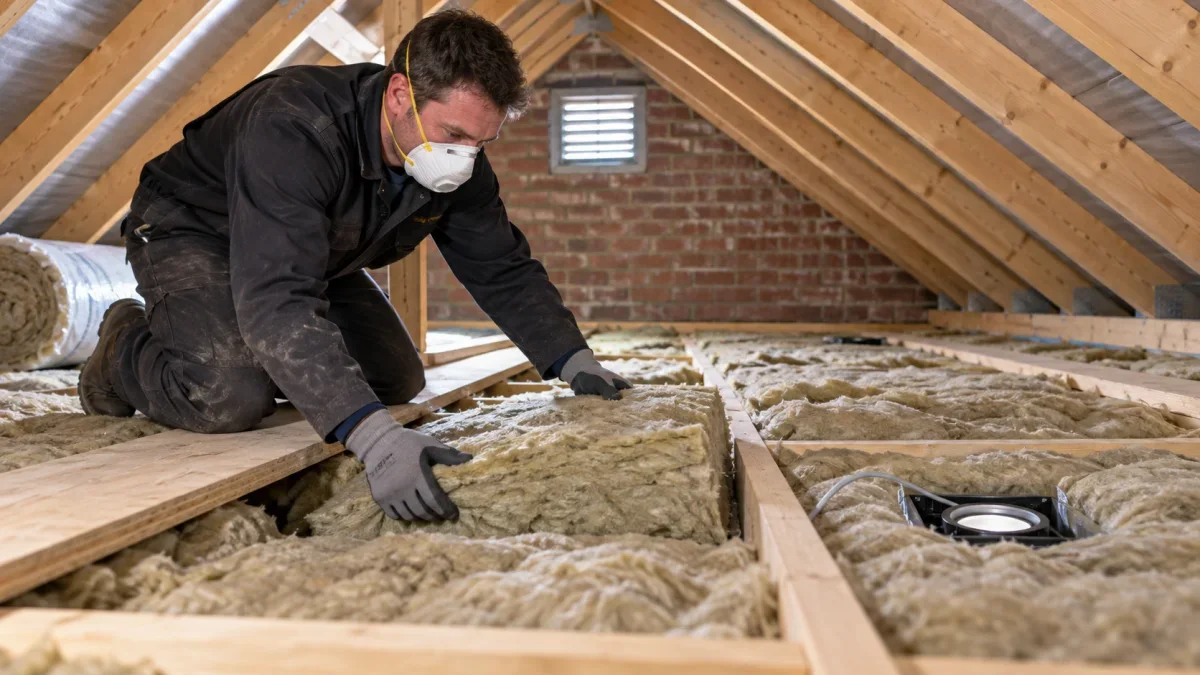
Cavity wall insulation is one of the most effective ways to boost your home’s energy efficiency—and it’s an investment that pays for itself over time through reduced heating bills. In Ireland, the process involves injecting insulating material (like polystyrene beads or glass wool) into the gap between your home’s inner and outer walls, preventing heat loss and improving comfort year-round.
So, what can you expect to pay in 2026? For most Irish properties, the cavity wall insulation cost ranges from about €400 for a one-bed apartment up to around €3,000 for a large detached house. These are before any SEAI grants. With government grant schemes taken into account, your out-of-pocket expense could drop dramatically—sometimes by more than half for eligible homeowners.
It’s important to understand the factors that influence pricing and what support is available. This guide explains all major cost drivers, SEAI grant rates, regional differences, and gives practical pointers for getting the best value from your insulation upgrade.
Typical Cavity Wall Insulation Costs in Ireland (2026) – Before SEAI Grants
| Job | Typical price |
|---|---|
| Detached HouseVaries with house size and wall area | €1,200 – €3,000 |
| Semi-Detached / End of TerraceMost common Irish house type | €600 – €2,500 |
| Mid-Terrace | €500 – €1,200 |
| Apartment | €400 – €800 |
| SEAI Grant – Detached HouseApplied as a discount from total cost | €1,800 (€2,300 enhanced) |
| SEAI Grant – Semi-D / End of Terrace | €1,300 (€1,800 enhanced) |
| SEAI Grant – Mid-Terrace | €850 (€1,200 enhanced) |
| SEAI Grant – ApartmentFor eligible welfare recipients | €700 (€900 enhanced) |
Prices are typical 2026 estimates and vary by job, condition and location.
What Determines the Cost of Cavity Wall Insulation?
The price to insulate your cavity walls hinges on several factors beyond simply the size of your property. Understanding these allows you to plan your budget and avoid any nasty surprises.
- Property size and wall area: The larger your home’s external walls, the more insulation (and labour) required.
- Wall condition: Damaged or damp walls may need prep work, such as repairs or re-pointing, to ensure the insulation works effectively.
- Accessibility: Hard-to-reach walls (like narrow side passages) can add to labour costs.
- Material choice: Standard glass wool or mineral fibre is usually a bit cheaper than polystyrene beads, but beads are often faster to install and offer higher performance.
SEAI Grants: What Support Can You Get?
The Sustainable Energy Authority of Ireland (SEAI) provides generous grants for cavity wall insulation. The amount you can claim depends on property type, and there are even higher rates if you qualify for certain welfare payments.
- Detached House: €1,800 standard, up to €2,300 enhanced
- Semi-D / End of Terrace: €1,300 standard, up to €1,800 enhanced
- Mid-Terrace: €850 standard, up to €1,200 enhanced
- Apartment: €700 standard, up to €900 enhanced
Be sure to apply for your SEAI grant and receive approval before any work begins. Grants are deducted directly from your bill by registered contractors.
Do Regional Costs Really Vary Across Ireland?
Insulation prices don’t fluctuate hugely from Cork to Donegal, but it’s worth knowing where you might see a difference. In Dublin, higher labour and business costs usually push prices towards the upper end, especially for larger jobs. In rural areas, travel costs for contractors may cut into any localised savings, though some regions see mildly more competitive rates due to lower overheads.
In all cases, always get a few local quotes so you can compare apples with apples and avoid unnecessary markups.
Essential Checks Before You Book the Work
Not every home with uninsulated walls is suitable for cavity wall insulation. Here are the key steps to take before going ahead:
- Check your wall type: Homes built after the 1930s generally have cavity walls; older houses might not be suitable.
- Wall condition survey: SEAI-registered installers will check for damp, structural issues, or defective pointing.
- Confirm contractor registration: Only SEAI-approved contractors can process the grant, and their workmanship is subject to quality controls.
- Grant application: Apply for your SEAI grant and get the go-ahead before any drilling or installation takes place.
Planning and Budgeting Tips for 2026
- Request at least three itemised quotes from different contractors.
- Ask which insulation material suits your wall construction and needs best.
- Check if internal or external insulation might be more suitable for certain wall types.
- Ensure the price includes VAT and potential remedial works, like making good after drilling.
- Keep in mind: your final outlay will be the quoted price minus your SEAI grant – often resulting in an affordable upfront cost, even for larger properties.
Frequently asked questions
How much does cavity wall insulation typically cost after SEAI grants?+
After the SEAI grant, a typical semi-detached house owner might pay around €400–€1,200, depending on the property's size and specifics. For those qualifying for enhanced grants, the cost can be even lower.
What type of insulation material is best for Irish cavity walls?+
Polystyrene beads and glass wool are both common, SEAI-approved options. Beads tend to offer higher insulation performance and are suitable for most Irish homes.
Does my 1920s house qualify for cavity wall insulation?+
Most homes built before the 1930s have solid walls without a cavity, so cavity wall insulation isn’t usually possible. A qualified contractor can carry out a survey to confirm your wall type.
Is cavity wall insulation disruptive to install?+
Installation is usually completed in less than a day with minimal disturbance. The process involves drilling small holes in the mortar and injecting the insulation, with holes subsequently filled and made good.
Do I have to pay VAT on cavity wall insulation?+
Yes, VAT applies to insulation works, but this is included in your quoted price. SEAI grants help to offset much of the cost, including VAT.
Can I combine cavity wall insulation with other home energy upgrades?+
Absolutely. Many homeowners bundle cavity, attic, or wall insulation upgrades to maximise comfort and unlock additional SEAI grants.
Sources and editorial notes
This legacy guide has not yet completed the current claim-level citation review. Treat prices as broad estimates, verify current rules with the relevant authority and obtain a written professional quotation. See our editorial policy.
Official guidance and further reading
- CCPC: Home improvement and building work disputes
- SEAI: Individual home energy upgrade grants
- SEAI: Find a registered professional
These links are further reading and do not substantiate every estimate above.
Ready to describe your project?
Tell us about your insulation job and compare free quotes from interested local professionals. You can also browse insulation professionals.