Cavity Wall Insulation Removal Costs in Ireland: 2026 Price Guide
Legacy guide: external source review is pending. How we review guides
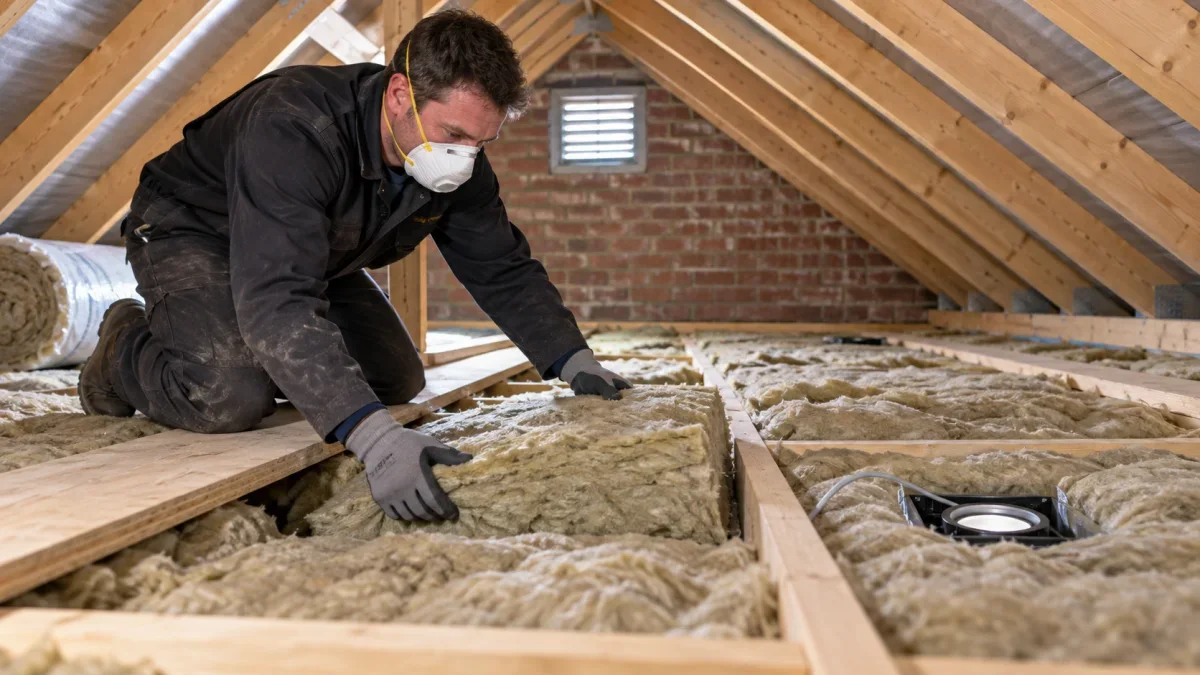
Cavity wall insulation removal isn’t a routine job for most Irish homeowners, but it can become essential if your home’s existing insulation has been compromised—be it from dampness, poor installation, or simply reaching the end of its lifespan. The fallout from faulty insulation can include persistent damp problems, poor thermal performance, and even damage to your property’s structure.
In 2026, the typical cost for removing cavity wall insulation in Ireland ranges from €1,000 to €3,000 for an average three-bed semi-detached home. For smaller or larger properties, some contractors will quote on a square metre basis, with figures between €20 and €50 per m² common, depending on the complexity of the job and the type of insulation involved. It’s an investment—but one that’s necessary to protect your home’s integrity and energy efficiency in the long term.
You should also factor in potential additional costs such as repairs, re-plastering, or even addressing underlying damp issues, all of which could increase the total bill. Regional labour rates—especially in places like Dublin—also play a role. Below, we break down every element you’ll need to consider when budgeting for cavity wall insulation removal in Ireland.
Cavity Wall Insulation Removal Costs in Ireland (2026 Estimates)
| Job | Typical price |
|---|---|
| Average detached/semi-detached house (overall) | €1,000 – €3,000 |
| Per square metre (all house types)Varies by insulation type and cavity access | €20 – €50 |
| Small terraced house (overall)Usually lower end of the spectrum | €800 – €1,800 |
| Insulation removal (polystyrene beads)Generally easier to extract | €20 – €30 per m² |
| Insulation removal (mineral wool)More labour-intensive | €30 – €40 per m² |
| Insulation removal (expanding foam)Most difficult; highest removal cost | €35 – €50 per m² |
| Post-removal repairsDepends on extent of re-plastering or damp treatment | €300 – €1,000+ |
| Dublin labour premiumLabour often dearer in urban areas | +10% – 15% |
Prices are typical 2026 estimates and vary by job, condition and location.
What Determines the Cost of Cavity Wall Insulation Removal?
No two houses are identical, so the price for cavity wall insulation removal will depend on several site-specific factors. It’s important to get a realistic picture of what you’re paying for before you commit.
- Property size and wall area: Larger homes will cost more simply due to the extra labour and time involved.
- Type of insulation: Polystyrene beads, mineral wool, and expanding foam each present different challenges. Expanding foam is the most complex and expensive to remove.
- Condition of existing insulation: Damp, degraded, or poorly installed materials often require extra work to remove fully.
- Accessibility: Hard-to-reach areas (such as upper floors or extensions) will cost more to address.
- Necessary repairs: Removal can uncover or cause damage that needs addressing, such as patching holes, re-plastering, or treating damp.
Are There Regional Differences in Removal Costs?
There are marked regional variations, especially in labour costs. Dublin and some commuter towns tend to have the highest rates in the country, with removal jobs typically costing 10–15% more than elsewhere. Rural areas, by contrast, may benefit from slightly lower prices, although travel charges could apply for more remote locations.
SEAI Grants and VAT Rules in 2026
While the SEAI offers generous grants for new insulation installation, as of June 2026 there are no dedicated grants for insulation removal. This means the full cost generally falls to the homeowner. However, it’s always worth checking the latest SEAI updates or asking registered contractors, as schemes and eligibility can change periodically.
Removal work is subject to standard VAT rates, which should be itemised on your contractor’s quote or invoice. Confirm the applicable rate in advance to avoid surprises.
Regulations and Quality Assurance
Any removal (and future installation) must comply with Irish building regulations to safeguard your home’s fabric and thermal performance. For peace of mind, always request evidence that your contractor is properly registered—ideally with SEAI—as well as references or sample reports from previous projects.
Practical Steps to a Successful Removal
- Start with a professional assessment to confirm insulation must be removed.
- Gather at least three detailed quotes from reputable, insured contractors.
- Check that contractors are SEAI-registered and experienced in your chosen removal method.
- Insist on a cavity wall inspection after removal to identify and rectify any lingering issues (such as damp or debris).
- If you plan to reinstall insulation, choose modern, SEAI-approved products to maximise long-term energy savings.
Frequently asked questions
Why would I need to remove my cavity wall insulation?+
Removal is necessary if insulation has become damp, degraded, or was poorly installed—causing damp, cold spots, or loss of energy efficiency in your home.
How long does insulation removal take?+
Most average-sized homes can be completed within 1–3 days, depending on accessibility, wall size, and insulation type. Complex jobs may take longer.
Is cavity wall insulation removal disruptive?+
Some disruption is inevitable, as the process involves drilling access points and, occasionally, minor internal works for repairs. Professional contractors will keep mess to a minimum and tidy up after work.
Can I get a grant for insulation removal?+
As of June 2026, the SEAI does not offer grants specifically for removal—only for new installations. Always check SEAI’s latest offerings for any updates.
Is it possible to reinstall insulation straight after removal?+
Usually yes, but only once the cavity has been inspected for and cleared of damp or structural issues. Installing new insulation into a wet or damaged cavity can lead to future problems.
Sources and editorial notes
This legacy guide has not yet completed the current claim-level citation review. Treat prices as broad estimates, verify current rules with the relevant authority and obtain a written professional quotation. See our editorial policy.
Official guidance and further reading
- CCPC: Home improvement and building work disputes
- SEAI: Individual home energy upgrade grants
- SEAI: Find a registered professional
These links are further reading and do not substantiate every estimate above.
Ready to describe your project?
Tell us about your insulation job and compare free quotes from interested local professionals. You can also browse insulation professionals.