Cavity Wall Insulation Removal Costs in Ireland: What to Expect (2026)
Legacy guide: external source review is pending. How we review guides
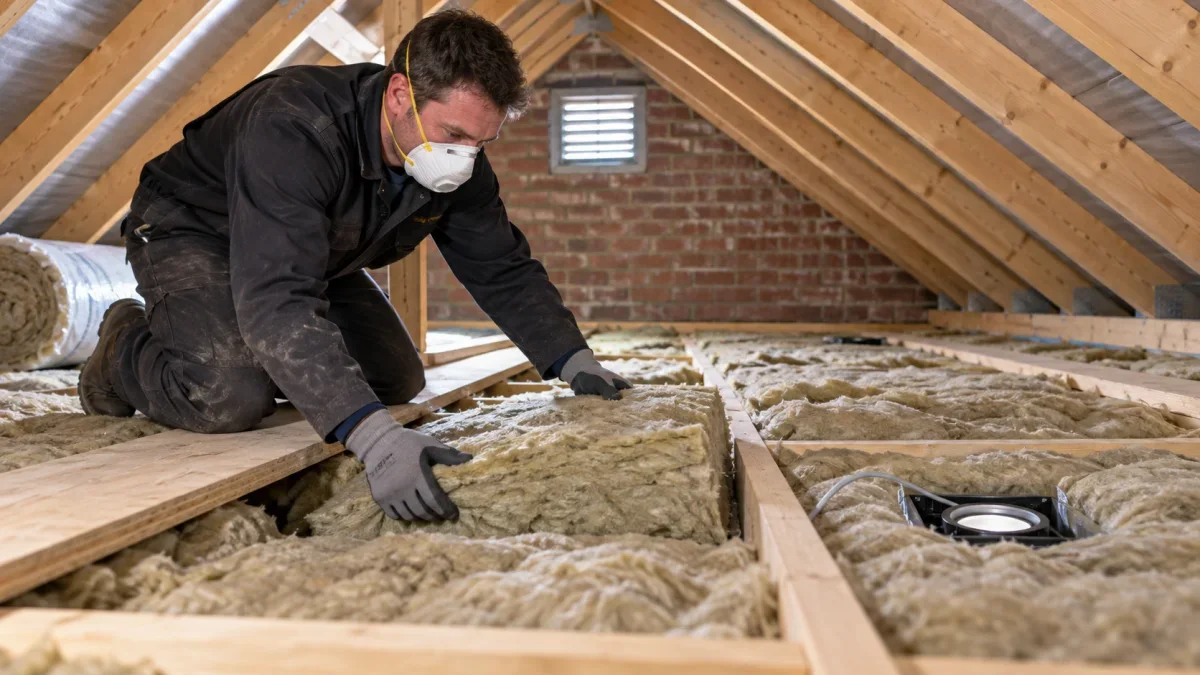
Cavity wall insulation removal is a specialist service that’s increasingly necessary for Irish homeowners dealing with failed or problematic insulation. Whether the issue is damp, mould, or insulation that was poorly installed from the outset, safely removing it can protect your property’s structure and health. But how much should you budget for this job in 2026?
Based on the latest figures (and using UK data as a guide where Irish-specific costs are limited), typical prices for cavity wall insulation removal in Ireland will run between €1,200 and €4,800. The spread reflects differences in property size, the type of insulation used, and how easy or difficult access is to your walls. Urban homeowners, especially in Dublin, may find prices pushing the upper end of this range.
VAT at 23% applies to insulation removal works and isn’t always included in headline quotes. At these rates, it’s vital to get a proper cost assessment and to understand the main factors influencing the price. Below, we break down real-world costs, what they cover, and practical advice for getting value for money.
Typical Cavity Wall Insulation Removal Costs in Ireland (2026)
| Job | Typical price (incl. VAT) |
|---|---|
| Small terraced house | €1,200 – €2,000 |
| 3-bed semi-detached house | €2,000 – €3,200 |
| Large detached house | €3,200 – €4,800 |
| Removal of mineral wool insulationEasier to extract | €1,200 – €2,500 |
| Removal of bonded beads | €1,500 – €3,000 |
| Removal of foam insulationMost costly due to difficulty | €2,500 – €4,800 |
| Partial removal (per affected wall)If only targeting specific areas | €400 – €1,200 |
| Site survey/assessmentMay be deductible from full job | €100 – €250 |
Prices are typical 2026 estimates and vary by job, condition and location.
What Is Cavity Wall Insulation Removal?
Cavity wall insulation removal means extracting old or faulty insulation materials from between a building’s inner and outer walls. Homeowners usually consider it if the existing insulation is causing damp, mould, or other structural and comfort issues. It’s a specialist job that needs the right equipment and expertise to avoid damaging your property.
Several insulation types—like mineral wool, bonded beads, or polyurethane foam—respond differently to removal methods, impacting both the complexity and the cost.
What Factors Affect the Removal Cost?
- Property size and number of external walls: More walls mean higher costs.
- Insulation material: Foam is hardest and most expensive to remove.
- Access: Height, obstructions, and limited entry points add to labour time.
- Partial vs full removal: Only treating localised problem walls is cheaper.
- Location: Dublin and other large cities tend to have higher labour and operational costs.
- VAT: Make sure to ask if VAT is included in your quote (standard rate is 23%).
Are Grants or Support Available?
As of 2026, there are no dedicated SEAI (Sustainable Energy Authority of Ireland) grants for removing old insulation—only for installing new cavity wall insulation. However, it’s still worth discussing options with your contractor, as some may help you identify any limited support or combined services that could offer savings. Always ensure you’re working with an SEAI-registered installer if you plan to replace the insulation later.
Choosing a Specialist Contractor
- Have your cavity walls assessed by a professional before authorising removal.
- Get at least three detailed, written quotes—including VAT and a breakdown of works.
- Ask about their experience specifically with insulation removal and ensure full insurance.
- Request references or reviews from previous clients.
- Confirm that post-removal cleaning and a structural/moisture inspection are included.
What Happens After Removal?
Once the old insulation is removed, the cavities should be inspected for any damage, blocked vents, or signs of moisture ingress. This allows you to address any underlying problems before considering new insulation. Rushing this stage can lead to repeat issues and wasted investment.
Frequently asked questions
Why would I need to remove existing cavity wall insulation?+
Reasons include poor initial installation, damp or mould caused by retention of moisture, or deterioration of the insulation material, all of which can compromise your property’s comfort and structure.
Can I get a grant for cavity wall insulation removal in Ireland?+
No, SEAI currently do not offer grants specifically for removal, only for new installations. Always check for the latest information just in case policy changes.
Is it safe to live in the property during removal work?+
Typically yes, but removal can be noisy and messy. Discuss with your contractor about dust management and safe access to affected rooms throughout the project.
How can I tell which type of insulation I have in my walls?+
A qualified surveyor or insulation specialist can inspect a small drilled hole in the wall to determine the insulation type and condition before quoting for removal.
Will removing insulation solve my damp problem?+
If the insulation is responsible for trapping moisture, removal can help—but make sure to address any other sources of damp and repair any structural defects before considering new insulation.
Sources and editorial notes
This legacy guide has not yet completed the current claim-level citation review. Treat prices as broad estimates, verify current rules with the relevant authority and obtain a written professional quotation. See our editorial policy.
Official guidance and further reading
- CCPC: Home improvement and building work disputes
- SEAI: Individual home energy upgrade grants
- SEAI: Find a registered professional
These links are further reading and do not substantiate every estimate above.
Ready to describe your project?
Tell us about your insulation job and compare free quotes from interested local professionals. You can also browse insulation professionals.