Emergency Plumbing Costs in Ireland: The 2026 Price Guide
Legacy guide: external source review is pending. How we review guides
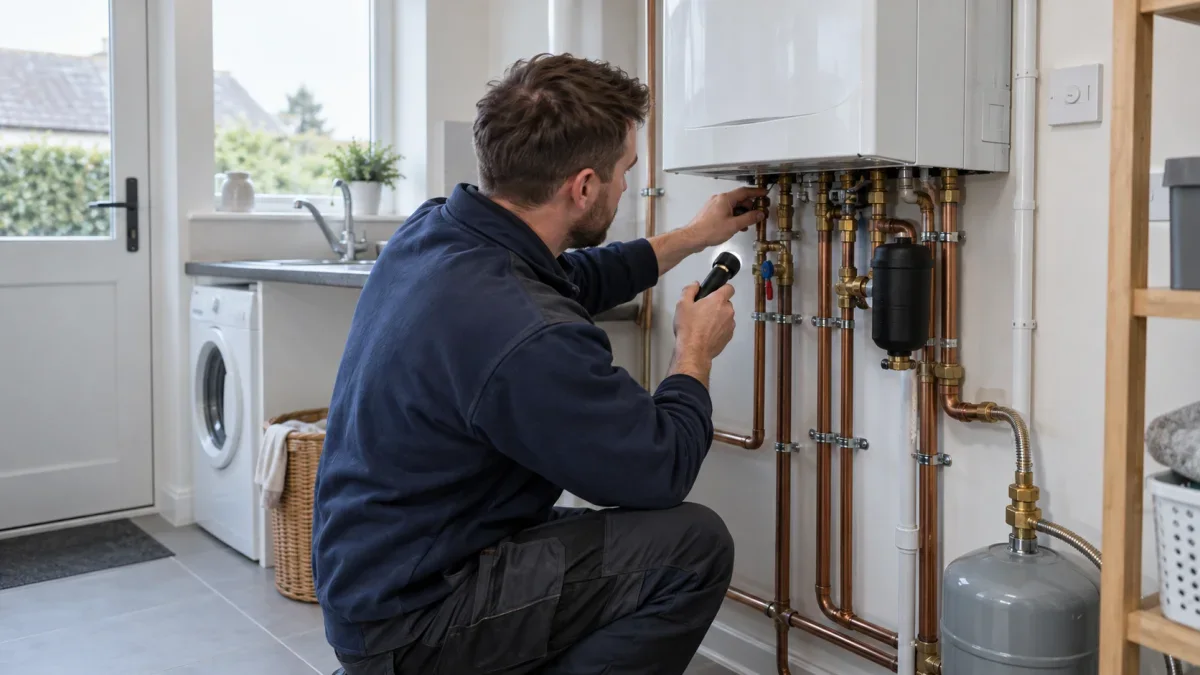
Plumbing emergencies always seem to strike at the worst possible time, and knowing what you'll pay for rapid repairs can ease some of the stress when disaster hits. In Ireland, emergency plumbing costs have climbed in recent years, with 2026 seeing a typical call-out during standard hours costing between €80 and €120 for the first hour of work. If your issue arises after business hours or over the weekend, expect prices to rise—anything from €120 to €260 can be quoted for the initial visit, with after-hours and late-night call-outs attracting the highest premiums.
Subsequent labour costs are usually calculated on a per-quarter-hour basis, ranging from €20 to €30 per 15 minutes, and you’ll also need to budget for any replacement parts or materials. Where you live matters too: rates in Dublin are on the higher end, with emergency call-out fees frequently starting at €120 and reaching up to €250, plus hourly rates as high as €150. Elsewhere in Ireland, rates are typically lower but still reflect the urgency and convenience of 24/7 response.
Below, you'll find a detailed breakdown of emergency plumbing charges in Ireland for 2026, what factors affect these costs, regional differences, and practical steps to protect your home and your wallet.
Typical Emergency Plumbing Prices in Ireland (2026)
| Job | Typical price |
|---|---|
| Standard call-out (9 am–6 pm, incl. first hour) | €80 – €120 |
| Evening call-out (6 pm–12 am, incl. first hour) | €120 – €160 |
| Weekend daylight call-out (Sat & Sun, 12 pm–6 pm, first hour) | €120 – €150 |
| Late night/early morning (12 am–7 am, per hour) | Up to €260 |
| Dublin emergency call-out (first hour)Higher due to demand and operational costs | €120 – €250 |
| Subsequent labour (per 15 minutes)Charged after first hour | €20 – €30 |
| Hourly rate after first hour (Dublin) | €100 – €150 |
| VAT (Value Added Tax)Check if quotes include VAT | 13.5% |
Prices are typical 2026 estimates and vary by job, condition and location.
What Impacts Emergency Plumbing Costs?
Not every urgent plumbing job is priced the same. Several variables come into play that can drive your bill up or, occasionally, keep it manageable. Understanding these can help you plan—and negotiate—when you need help in a hurry.
- Time of service: Costs spike outside normal business hours—think evenings, weekends, holidays, and in the dead of night.
- Nature and complexity: Simple fixes, such as a leaking tap, cost far less than burst pipes or major leaks requiring precision and time.
- Location: Urban areas, especially Dublin, see higher base charges and hourly rates.
- Parts and materials: Replacement valves, pipework, or fittings can add noticeably to your overall costs.
- VAT: All plumbing services in Ireland are subject to 13.5% VAT, so be sure to clarify if quoted prices include this.
How Do Dublin Prices Compare to the Rest of Ireland?
Homeowners in Dublin tend to pay the highest emergency plumbing prices across Ireland. This is due to a blend of stronger demand and higher operating expenses for plumbers in the capital.
While in Dublin, call-outs regularly cost €120–€250 for the first hour (with follow-on hourly rates up to €150), elsewhere in Ireland you’ll generally find prices in the lower half of these ranges. Smaller towns and rural areas benefit from reduced travel and overhead costs, though rapid response to more remote locations can still carry a premium.
SEAI Grants: Can They Help with Emergency Plumbing?
The Sustainable Energy Authority of Ireland (SEAI) offers grants for energy efficiency upgrades—such as heating control systems and insulation. While these are not designed for emergency repairs, they can help futureproof your plumbing and heating, reducing the chance of sudden failures.
Investing in a heating upgrade through a grant—for example, improving your thermostatic controls—won’t cut the cost of a current emergency, but it could spare you from the stress and expense of avoidable breakdowns down the line.
Top Tips for Handling Plumbing Emergencies
- Always get multiple quotes if possible, even in an emergency.
- Check the plumber’s credentials—use only those who are registered and insured.
- Ask upfront for a written breakdown of costs, including VAT and any parts.
- If safe to do so, isolate water to affected areas to minimise damage.
- Schedule regular plumbing inspections to nip small problems in the bud.
How to Avoid Nasty Surprises on Your Bill
The shock of a burst pipe is enough—don’t compound it with unexpected charges. To keep control of costs, make sure you understand the terms when booking emergency help:
- Clarify whether charges include call-out, labour, and VAT.
- Request confirmation of hourly/daily rates for extended work.
- Check if there are extra fees for parts, disposal, or travel.
Frequently asked questions
What’s included in an emergency plumber’s call-out fee?+
A standard call-out fee typically covers the plumber’s travel and the first hour of labour. Parts, materials, extended time, and VAT may cost extra—always confirm what’s included before work begins.
Is VAT always included in Irish emergency plumbing quotes?+
No, not always. VAT at 13.5% must legally be added, so ask clearly if a quoted price is ‘plus VAT’ or ‘including VAT’ to avoid surprises.
Will emergency plumbers charge more outside of Dublin?+
Dublin has Ireland’s highest emergency plumbing rates due to operating costs and demand, but costs can also be high in remote areas where fewer plumbers are available. Always check local rates.
Can I use SEAI grants for emergency repairs?+
No, SEAI grants do not cover emergency repairs. They are for energy efficiency upgrades (like heating controls and insulation), not urgent or remedial work.
How can I prevent future plumbing emergencies?+
Regular maintenance—such as annual system checks, pipe lagging, and timely small repairs—helps spot issues early and can prevent many urgent call-outs.
Sources and editorial notes
This legacy guide has not yet completed the current claim-level citation review. Treat prices as broad estimates, verify current rules with the relevant authority and obtain a written professional quotation. See our editorial policy.
Official guidance and further reading
These links are further reading and do not substantiate every estimate above.
Ready to describe your project?
Tell us about your plumbing & heating job and compare free quotes from interested local professionals. You can also browse plumbing & heating professionals.