Hot Water Cylinder Replacement Cost Ireland (2026) – Full Guide
Legacy guide: external source review is pending. How we review guides
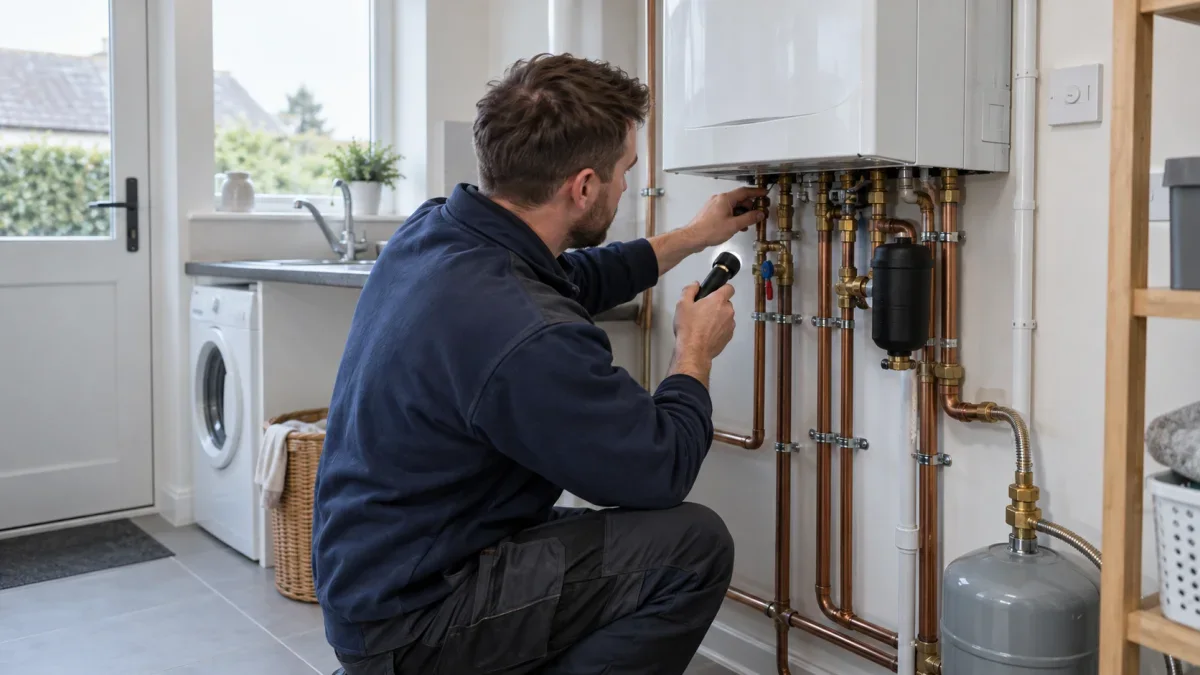
If your hot water cylinder is showing its age, struggling to keep up with demand, or has sprung a leak, replacing it is a smart investment in comfort and efficiency. Modern cylinders are much better insulated and generally more energy efficient, making them a worthwhile upgrade for many Irish households.
In 2026, the total outlay for replacing a standard hot water cylinder in Ireland ranges from €1,020 to €1,580. This covers both materials—such as the cylinder itself, which can vary in size and specification—and the labour for professional installation. Prices can climb higher for larger or more advanced models, or where installation is complex.
It's wise to factor in not only the up-front replacement costs, but also any potential savings on your energy bills over time. Plus, grants may be available when replacing a cylinder as part of a wider energy upgrade project. Below, we break down the typical costs, influencing factors, and ways to ensure you get great value on your cylinder replacement.
Typical Hot Water Cylinder Replacement Costs (Ireland, 2026)
| Job | Typical price (incl. VAT) |
|---|---|
| 96L stainless steel cylinder (supply only)Example price, actual cost may vary by brand and supplier. | €600 |
| 160L stainless steel cylinder (supply only)Example price, actual cost may vary by brand and supplier. | €750 |
| Standard installation (labour)Depends on complexity, location, and ease of access. | €420 – €830 |
| Total replacement (96L cylinder + labour) | €1,020 – €1,430 |
| Total replacement (160L cylinder + labour) | €1,170 – €1,580 |
| VAT (typically included)Always check if prices are VAT inclusive. | 13.5% |
| Grant support (with full energy upgrade)Hot water cylinders included only as part of deeper energy retrofit projects. | Up to €12,500 |
Prices are typical 2026 estimates and vary by job, condition and location.
What’s Involved in Replacing a Hot Water Cylinder?
Replacing a hot water cylinder isn’t just a matter of swapping out the old for the new. The process requires safe disconnection of your existing unit, removal and disposal (which may add a small cost if access is tricky), fitting the new cylinder, and updating plumbing connections. Modern regulations also mean your installer may need to upgrade insulation or safety features as part of the job.
Breakdown of Cylinder and Installation Costs
The main cost components are the cylinder itself and the labour involved in fitting it. Stainless steel models are the most popular choice for new installations because they last longer and offer better heat retention than traditional copper cylinders. Cylinder prices rise with capacity—expect to pay around €600 for a compact 96L unit and about €750 for a 160L model.
Labour costs for removal and installation typically range from €420 to €830. Factors affecting this include the complexity of existing plumbing, how accessible the cylinder is (loft or roof spaces add labour time), and whether extra upgrades are required for compliance with Irish building regulations.
Factors That Influence Hot Water Cylinder Replacement Costs
- Cylinder Material: Stainless steel is more expensive than copper, but far more durable.
- Cylinder Size: Larger hot water needs (bigger homes or growing families) call for bigger, pricier cylinders.
- Installation Access: Cylinders in tight or hard-to-reach places cost more to remove and replace.
- Additional Upgrade Work: Old plumbing or insulation, or the need for new safety features, may increase costs.
- Regional Labour Rates: Expect to pay a premium in Dublin compared with other counties.
Grants and Regulations – What’s Available in 2026?
As of 2026, direct SEAI grants for cylinder replacement alone are not available. However, if you’re upgrading to a heat pump system or making a full-home energy retrofit, SEAI grants up to €12,500 can be tapped—this can include the cost of a new cylinder as part of the overall package.
All installations must comply with Irish building regulations. Always use a registered and experienced plumber to ensure safety and eligibility for any available grants.
How to Get the Best Value When Replacing a Hot Water Cylinder
- Get multiple quotes—ideally three or more—from reputable, registered plumbers to compare.
- Confirm all prices include VAT (13.5%) to avoid surprises.
- Check your installer’s qualifications and experience with cylinder swaps.
- Consider future needs: choose a capacity that will cover your family’s needs for years to come.
- Look for high-efficiency cylinders for lower running costs over their lifetime.
Frequently asked questions
Are stainless steel cylinders worth the extra cost?+
Yes. Stainless steel hot water cylinders are more expensive initially but outlast copper models, retain heat better, and are less prone to corrosion. They’re recommended for homeowners planning to stay in their property long term.
Can I get a grant for replacing my hot water cylinder?+
Not directly. SEAI grants won’t cover a cylinder-only swap, but if included in a broader upgrade—such as a heat pump installation—the cost of the cylinder may be grant aided as part of the overall project.
Does the cost vary in different parts of Ireland?+
Yes. Dublin residents typically face higher labour costs due to increased demand and higher cost of living. Elsewhere, labour may be less expensive, but can vary with the availability of qualified installers.
What size cylinder do I need for my home?+
For a typical three-bed semi in Ireland, a 120L–160L cylinder meets most needs. Larger homes, or those with higher hot water usage, may require more capacity. Think ahead to future family needs if planning a replacement.
Is VAT included in quoted prices?+
Always ask. The standard rate for plumbing works is 13.5%. Reputable plumbers will clarify whether this is included. Never assume—clarify before you commit.
How do I choose a reliable installer?+
Look for a plumber who is fully registered, can provide recent references, and is experienced with modern cylinder installation. Check online reviews and make sure they offer written quotes with clear terms.
Sources and editorial notes
This legacy guide has not yet completed the current claim-level citation review. Treat prices as broad estimates, verify current rules with the relevant authority and obtain a written professional quotation. See our editorial policy.
Official guidance and further reading
These links are further reading and do not substantiate every estimate above.
Ready to describe your project?
Tell us about your plumbing & heating job and compare free quotes from interested local professionals. You can also browse plumbing & heating professionals.