How Much Does a Cavity Wall Insulation Top-Up Cost in Ireland? (2026 Guide)
Legacy guide: external source review is pending. How we review guides
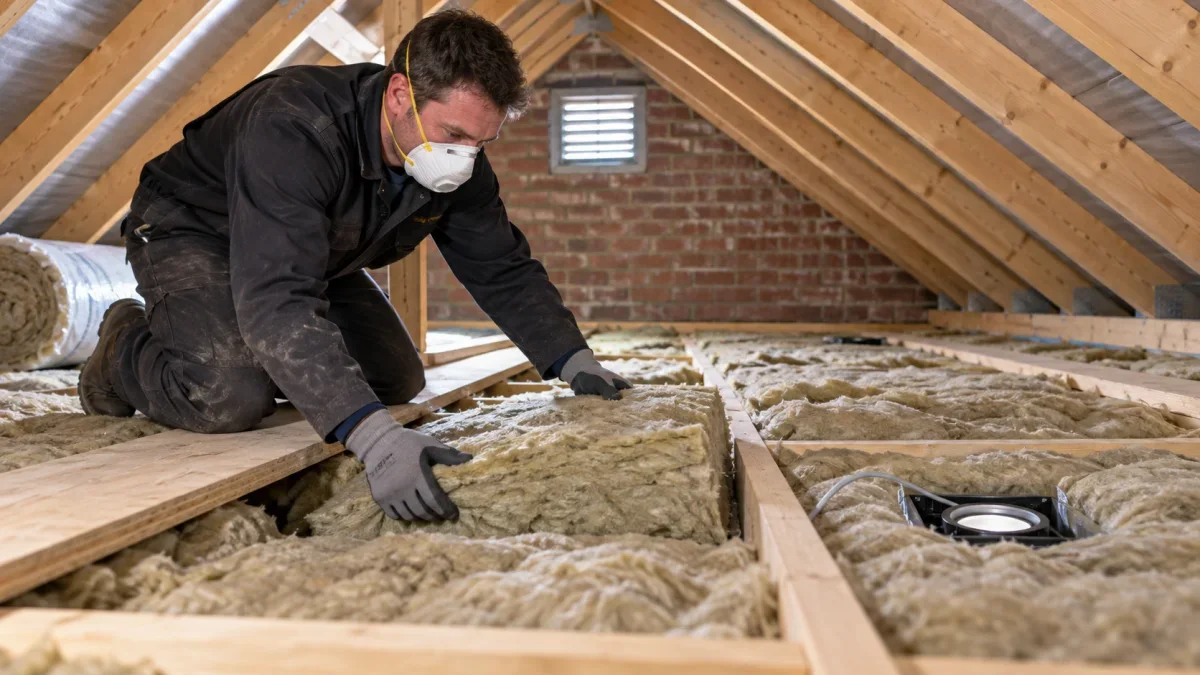
Many Irish homes, especially those insulated more than a decade ago, may find themselves falling short of today’s energy standards. A cavity wall insulation top-up is a straightforward way to improve warmth and energy efficiency – and prepare your home for low-carbon heating systems like heat pumps.
Typical costs for a cavity wall insulation top-up in Ireland range between €700 and €2,000, with the average semi-detached house coming in around €1,100 to €1,300. This is usually cheaper than a brand new installation, as the process simply builds on existing insulation – but final prices depend heavily on your wall area, chosen material, and property access. Enhanced SEAI grants may further reduce your outlay, with up to €1,700 available to qualifying homeowners in 2026.
If you’re considering an upgrade, it’s wise to factor in the latest regulations, potential grant options, and the need for SEAI-registered installers. Here’s what you really need to know before you get started.
Typical Cavity Wall Insulation Top-Up Costs in Ireland (2026)
| Job | Typical price (incl. VAT) |
|---|---|
| Cavity wall insulation top-up (small house)Includes labour and standard materials | €700 – €1,100 |
| Cavity wall insulation top-up (semi-detached)Most common for 3-bed family homes | €1,100 – €1,300 |
| Cavity wall insulation top-up (large house)Larger wall area or more complex access | €1,400 – €2,000 |
| SEAI grant (cavity wall, max)Subject to property type and eligibility | Up to €1,700 |
| Enhanced SEAI grant (welfare recipients)See SEAI for qualifying payments | Covers up to 100% |
| Typical cost after grant (semi-detached)Depending on grant size and eligibility | €0 – €600 |
| SEAI-registered contractor assessmentMany offer free assessments; some may charge a call-out fee | €0 – €100 |
| VAT rate (on insulation work)Included in figures above | 13.5% |
Prices are typical 2026 estimates and vary by job, condition and location.
What Is a Cavity Wall Insulation Top-Up?
A cavity wall insulation top-up means adding extra insulating material to the wall cavity of a home already fitted with insulation. Over time, existing insulation may slump, degrade, or simply fall short of modern energy requirements, especially as homeowners move to more efficient heating systems.
A properly executed top-up increases heat retention, reduces draughts, and can help your home qualify for major upgrades such as heat pump installations.
What Determines the Cost of a Cavity Wall Insulation Top-Up?
Prices can vary considerably—not just by company, but also depending on these key factors:
- Property size and wall area: Larger homes cost more as they have more surface to insulate.
- Insulation material: Options with higher thermal performance may come at a premium.
- Accessibility: Scaffolding or awkward access can push up labour costs.
- Condition of existing insulation: Damaged or settled insulation may require more preparation.
- Region: Urban areas such as Dublin generally have higher prices than rural regions.
What SEAI Grants Are Available in 2026?
The Sustainable Energy Authority of Ireland (SEAI) continues to support homeowners with insulation upgrades in 2026. Most homes built before 2011 are eligible for grants when work is done by SEAI-registered contractors.
- Up to €1,700 for cavity wall insulation, depending on property type.
- Enhanced support (up to 100% of costs) for those on qualifying welfare payments.
- If you previously received a cavity wall grant, you may qualify for a second measure (like internal/external wall insulation) to bring your home to a higher energy standard.
Always apply for the grant before work begins and confirm with your installer that all SEAI and building regulation requirements are met.
Practical Tips for Irish Homeowners
- Book a professional assessment first—many contractors offer this for free, but some may charge a nominal fee.
- Get multiple quotes from different SEAI-registered contractors to gauge fair pricing.
- Ask for details about the insulation material being used and warranties provided.
- Ensure all work is compliant with SEAI standards and Irish building regulations.
- Factor in VAT (currently 13.5%) as it must be included in your budgeting.
- Read grant eligibility criteria closely before applying.
Why Top Up Cavity Wall Insulation Now?
With energy costs often on the rise and new heating technologies (like heat pumps) demanding top-tier insulation, there’s never been a better time for an upgrade. Topping up cavity wall insulation boosts comfort, lowers bills, and may unlock access to further SEAI support for deeper retrofits.
A well-executed top-up, especially when partially or fully grant-funded, adds long-term value as well as peace of mind.
Frequently asked questions
How do I know if my home needs a cavity wall insulation top-up?+
Signs include colder-than-expected rooms, draughts near external walls, higher heating bills, or if your insulation was installed before 2010. A professional assessment is the best way to check.
Can I get an SEAI grant if I have previously insulated my cavity walls?+
Yes. In 2026, SEAI allows a second insulation measure (like internal/external insulation) for homes already grant-funded for cavity wall work, or you may qualify again if topping up a poorly performing previous job. Check SEAI guidance for your case.
Does cavity wall insulation top-up work with all wall types?+
It only applies to homes with suitable wall cavities, typically built after the 1960s. Solid walls or stone properties require alternative insulation solutions.
Should I use an SEAI-registered contractor?+
Absolutely. SEAI only pays grants to work carried out by its registered contractor network, and it assures compliance with quality and safety standards.
Is there VAT on cavity wall insulation work?+
Yes, the standard 13.5% VAT for energy efficiency upgrades is included in most quotes—but it’s worth double checking with your contractor.
How long does a cavity wall insulation top-up take?+
Most top-ups are completed in a single day for the average home. Larger or more complex jobs might take longer, but disruption is generally minimal.
Sources and editorial notes
This legacy guide has not yet completed the current claim-level citation review. Treat prices as broad estimates, verify current rules with the relevant authority and obtain a written professional quotation. See our editorial policy.
Official guidance and further reading
- CCPC: Home improvement and building work disputes
- SEAI: Individual home energy upgrade grants
- SEAI: Find a registered professional
These links are further reading and do not substantiate every estimate above.
Ready to describe your project?
Tell us about your insulation job and compare free quotes from interested local professionals. You can also browse insulation professionals.