How Much Does Cavity Wall Insulation Removal and Replacement Cost in Ireland? (2026 Guide)
Legacy guide: external source review is pending. How we review guides
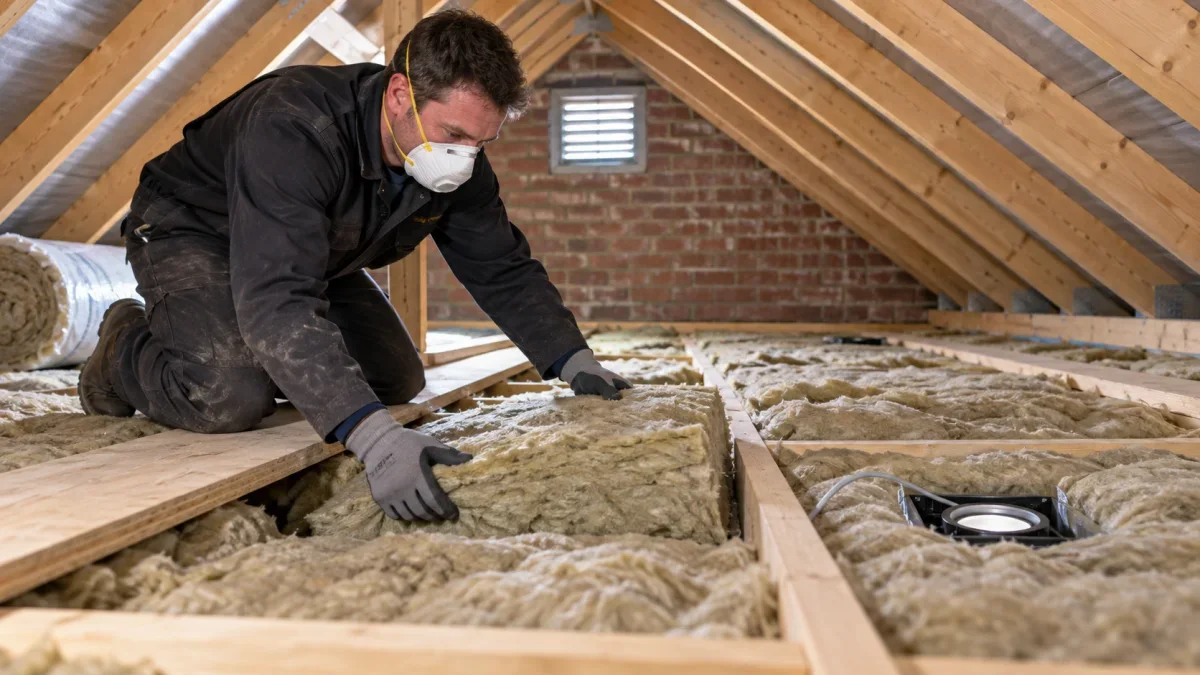
If you’re dealing with persistent damp, deteriorated insulation, or simply want to upgrade to more energy-efficient materials, you might be considering cavity wall insulation removal and replacement. This process removes old or failed insulation from your external walls before refilling the cavity with a modern, high-performance option.
For a standard semi-detached Irish home, the combined cost of removing and replacing cavity wall insulation typically runs from €1,600 to €4,500 in 2026. The removal alone ranges from €1,000–€2,000 depending on property size and complexity, while refilling with new insulation comes in between €600 and €2,500. These costs can shift depending on your home’s structure, the materials you choose, and even where you live in Ireland.
Homeowners may be able to significantly offset these costs through the SEAI’s insulation grant schemes. These provide up to €1,300 for semi-detached houses—with even higher supports for those on certain welfare payments—making insulation upgrades far more accessible.
Cavity Wall Insulation Removal & Replacement Costs in Ireland (2026)
| Job | Typical price |
|---|---|
| Removal only (semi-detached house)Varies with property size and condition | €1,000–€2,000 |
| Replacement/Refilling only (semi-detached house)Depends on insulation material | €600–€2,500 |
| Total removal & replacement (semi-detached house) | €1,600–€4,500 |
| Grant amount (semi-detached/end terrace)SEAI standard grant | €1,300 |
| Grant amount (detached house)SEAI standard grant | €1,800 |
| Grant amount (mid-terrace house) | €850 |
| Grant amount (apartment) | €700 |
| VAT rate appliedApplies to labour and materials | 13.5% |
Prices are typical 2026 estimates and vary by job, condition and location.
What’s Involved in Cavity Wall Insulation Removal and Replacement?
Over time, cavity wall insulation can degrade or become damp, especially in Ireland’s wet climate. Removal involves carefully extracting the old insulation material—whether beads, foam, or mineral wool—using specialist equipment. Once cleaned and assessed, the wall cavity can be refilled with a new, approved insulation product, bringing your home up to current standards and improving its energy efficacy.
The whole process, including assessment, extraction, and refill, usually takes 1–3 days for an average house. Using SEAI-registered contractors is essential both for quality control and to secure grant funding.
Detailed Cost Breakdown
The majority of Irish homeowners will pay between €1,600 and €4,500 to fully remove and replace cavity wall insulation in a semi-detached property. Here’s where these figures come from:
- Removal only: €1,000–€2,000, depending on scale and state of existing insulation
- Replacement/refill: €600–€2,500, influenced by insulation material (e.g. polystyrene beads, mineral wool, or foam)
- Total cost for a standard job: €1,600–€4,500 including all labour & materials
- Additional expense for large, complex, or hard-to-access houses
Expect to pay at the higher end if you are in the Dublin area, as labour and operational costs tend to be more expensive than elsewhere in Ireland.
Key Cost Factors to Consider
- Property size, layout, and ease of access
- Type and brand of replacement insulation material
- Extent of degradation of existing insulation
- Complexity (e.g., hard-to-reach cavities, extensions)
- Regional cost differences—Dublin is typically pricier
Before hiring a contractor, request a detailed on-site survey. This ensures an accurate quote and clarifies if any unforeseen issues (like hidden damp) could escalate removal costs.
SEAI Grants and Compliance
The Sustainable Energy Authority of Ireland (SEAI) provides generous grants for cavity wall insulation, tailored to property type. As of 2026, grants stand at €1,800 for detached homes, €1,300 for semi-detached/end terrace, €850 for mid-terrace, and €700 for apartments. If you’re on certain welfare payments, higher grants may be available.
To be eligible, use SEAI-registered installers and make sure to apply for approval before work starts. All insulation work must meet Irish building regulations, and be aware that VAT at 13.5% is included in quoted prices.
Getting the Best Result—Tips for Homeowners
- Arrange a professional assessment to confirm you need insulation removed—sometimes repair is enough.
- Review insulation material options for best fit (e.g. beads for breathability, foam for highest performance).
- Always compare quotes from a few SEAI-registered contractors.
- Ask specifically about how they will handle damp or badly degraded insulation.
- Plan for some disruption—though most jobs take just a couple of days.
Replacing failing insulation not only improves your comfort but also can lead to significant energy and cost savings long-term.
Frequently asked questions
Why would I need to remove my existing cavity wall insulation?+
Common reasons are persistent damp issues, degraded or badly installed insulation, or upgrading to a more effective type. Damp or poorly filled cavities can cause mould, heat loss, and structural issues.
What insulation material is best for replacements?+
Polystyrene beads, mineral wool, and insulation foam are the most common. Beads are breathable and effective, mineral wool is affordable, and foam offers highest thermal performance but is costlier.
How do SEAI grants work for cavity wall insulation?+
You must apply and get approval from SEAI before work starts. The grants cover part of the cost, have different rates by property type, and require a registered contractor.
Can I stay at home during the removal and replacement works?+
Yes, most works are external, though there may be some noise and brief disruption. Jobs typically finish in 1–3 days depending on property size.
Does new insulation reduce my energy bills?+
Modern cavity wall insulation greatly reduces heat loss, cutting energy bills and improving comfort. The upgrade often pays for itself over time.
Is VAT included in insulation quotes?+
VAT at 13.5% should be included in quotes for insulation services, covering both labour and materials.
Sources and editorial notes
This legacy guide has not yet completed the current claim-level citation review. Treat prices as broad estimates, verify current rules with the relevant authority and obtain a written professional quotation. See our editorial policy.
Official guidance and further reading
- CCPC: Home improvement and building work disputes
- SEAI: Individual home energy upgrade grants
- SEAI: Find a registered professional
These links are further reading and do not substantiate every estimate above.
Ready to describe your project?
Tell us about your insulation job and compare free quotes from interested local professionals. You can also browse insulation professionals.