How Much Does Emergency Roof Tarping Cost in Ireland? (2026 Guide)
Legacy guide: external source review is pending. How we review guides
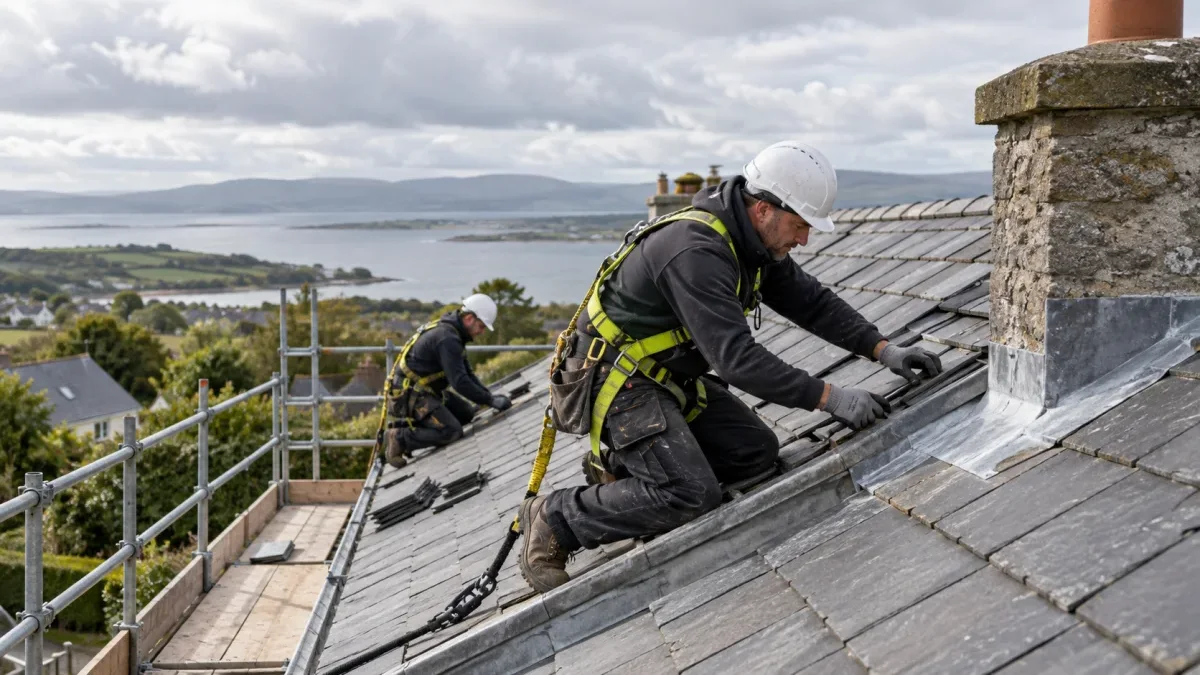
When an unexpected leak or storm leaves your roof exposed, emergency tarping is often the fastest, most cost-effective way to prevent further damage until permanent repairs can be arranged. In Ireland, emergency roof tarping services typically start from €250 and can go up to €600, depending on your roof type, the extent of damage, and how urgent the call-out is. Most reputable Irish roofing companies also charge a separate emergency call-out fee of around €150, which may be incorporated into the final invoice if you go ahead with their recommended repairs.
These costs reflect the realities of Irish weather—where driving rain can quickly turn a small problem into a much bigger one. Fast action is vital: properly installed tarps stop water ingress and keep your home protected while you sort out insurance or organise a permanent fix. The price varies not just by the amount of material and labour involved, but also by factors like access difficulties and whether emergency cover is needed at night or weekends. Homeowners in cities like Dublin may pay on the higher end, but the typical range applies nationwide.
This guide explains what you’ll pay for emergency tarping across Ireland in 2026, exactly what’s included, what influences the final bill, and how to make sure your insurance claim runs smoothly.
Typical Emergency Roof Tarping Costs in Ireland (2026)
| Job | Typical price |
|---|---|
| Emergency call-out feeMay be deducted from repair cost if work proceeds | €150 |
| Emergency roof tarping (small area, minor damage) | €250–€350 |
| Emergency roof tarping (moderate area) | €350–€500 |
| Emergency roof tarping (large/complex area) | €500–€600 |
| After-hours/weekend surchargeAdded on top of standard rates | €50–€150 |
| Minor emergency roof repair (e.g. 1–2 slates in Dublin)Tarpaulin not always needed | from €250 |
| Insurance excess (if applicable)Check cover and excess details | Varies by policy |
Prices are typical 2026 estimates and vary by job, condition and location.
What Does Emergency Roof Tarping Involve?
Emergency roof tarping is a temporary solution used when your roof sustains sudden damage—most commonly from storms, fallen branches, or flying debris—that leaves your home open to water ingress until permanent repairs can be arranged. Professional roofers will assess the damage, install weatherproof tarpaulin securely, and make sure all vulnerable areas are covered to prevent further harm to your property.
- Attending your property promptly (often within hours)
- Assessing the extent of the damage
- Supplying and installing high-grade waterproof tarpaulin
- Securing all edges and using battens or anchor points as needed
- Taking photos for insurance and repair planning
Key Factors That Affect the Cost
Not every roof emergency costs the same. A range of factors influence how much you’ll pay for tarping, and understanding these can help avoid costly surprises:
- Extent of the damage: Larger or more complex areas require more materials and labour.
- Roof accessibility: Steep, high or hard-to-reach roofs often need extra equipment or safety precautions.
- Time and day: Out-of-hours emergencies (especially at night or on weekends) usually come with a higher call-out surcharge.
- Location: Prices may be slightly higher in urban areas or where emergency roofing teams have further to travel.
Typical Costs Across Ireland
Whether you live in Dublin, Cork, Limerick, Galway, or elsewhere, most Irish roofing companies have a similar pricing structure for emergencies. Emergency tarping services generally cost €250–€600, and the call-out fee of around €150 is commonly applied across the country. Minor repairs—like replacing a slate or sealing a small leak—sometimes start from €250, sometimes without the need for a full tarp.
Dublin residents may see prices closer to the higher end of the ranges due to demand and operational costs, but rural areas are not immune to after-hours surcharges or high costs if travel is involved.
Insurance and Documentation Tips
Most Irish homeowners’ insurance covers emergency protection after events like storms. To make sure your claim goes smoothly, document everything before any repair work starts. Take clear photographs of the damage, make notes about when the problem occurred, and keep all invoices and correspondence from your roofing contractor.
- Contact your insurer as soon as possible after the incident.
- Provide photos and a clear description of the damage.
- Submit copies of any quotes, invoices, and receipts.
- Check your policy for details of the excess and any exclusions.
Protecting Your Home and Reducing Future Risk
Prevention is far preferable (and much cheaper) than a post-storm emergency. An annual professional roof inspection can catch loose slates, blocked valleys, and worn flashing before a downpour finds a way in. If you live in an exposed or older property, proactive maintenance reduces your risk of sudden damage—and helps keep your insurance valid.
Frequently asked questions
Is the emergency call-out fee always included in the final price?+
Typically, the call-out fee (about €150) is absorbed into the total if you proceed with the roofer’s recommended works. If you only require assessment or don’t go ahead, the call-out charge usually still applies.
Will my home insurance cover emergency roof tarping?+
Many policies do cover emergency roof works following unforeseen damage like storms. Always check your individual policy and contact your insurer promptly to clarify cover, as you’ll usually need to pay an excess.
How quickly can a roof tarping team attend after an emergency?+
Most reputable companies prioritise emergencies and can attend within hours, especially in major towns or cities. Response time depends on location, severity, and weather conditions.
Can I install emergency tarping myself?+
While possible for minor issues, DIY tarping involves significant safety risks. Professional roofers have the right equipment and skills to install tarps safely and securely—especially on steep or high roofs.
How long will an emergency tarp last before permanent repair is needed?+
A well-installed emergency tarp can protect your home for a few days to several weeks, depending on weather. Arrange a permanent fix as soon as possible, as tarps are only a short-term solution.
Sources and editorial notes
This legacy guide has not yet completed the current claim-level citation review. Treat prices as broad estimates, verify current rules with the relevant authority and obtain a written professional quotation. See our editorial policy.
Official guidance and further reading
These links are further reading and do not substantiate every estimate above.
Ready to describe your project?
Tell us about your roofing & guttering job and compare free quotes from interested local professionals. You can also browse roofing & guttering professionals.