How Much Does Fuse Board Replacement Cost in Ireland? (2026 Guide)
Legacy guide: external source review is pending. How we review guides
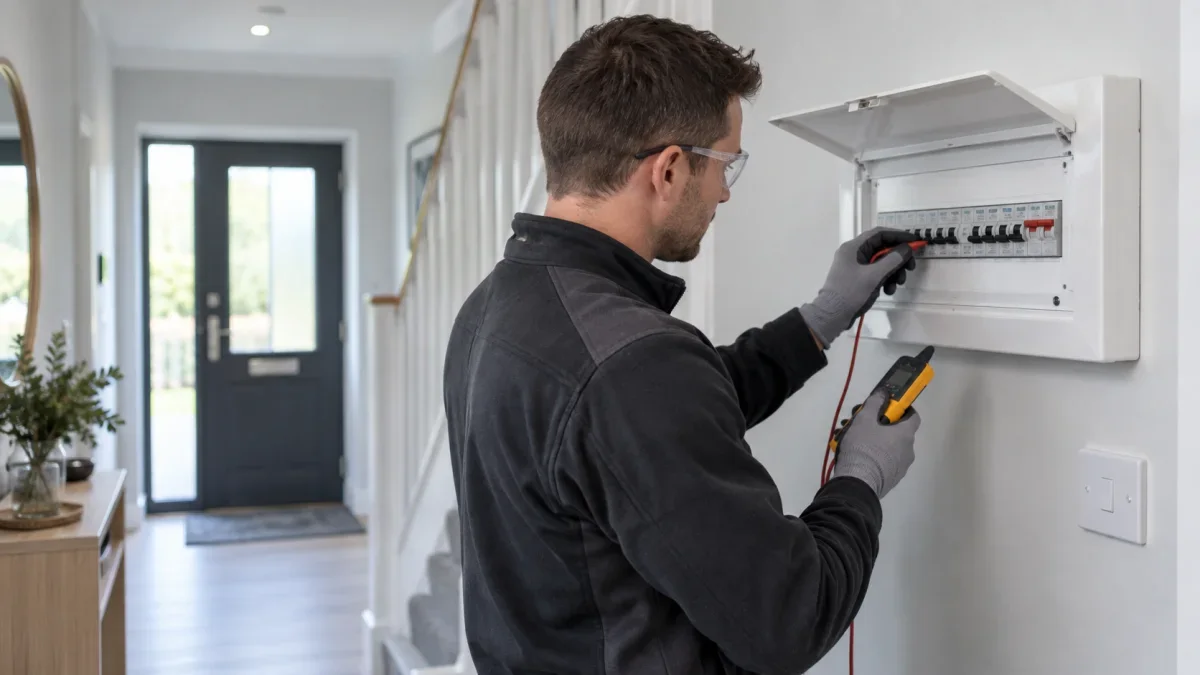
Replacing your fuse board, or consumer unit, is a significant step toward a safer and more reliable electrical system at home. In Ireland, the typical cost for this essential upgrade runs from €450 to €1,200 in 2026. Prices are usually higher in Dublin – between €550 and €850 – with slightly lower rates available in other regions, and basic upgrades occasionally starting from €275 outside the capital.
Several factors affect what you’ll pay, including the number of circuits in your house, the shape your existing wiring is in, and any additional upgrades such as modern circuit breakers. Accessibility and compliance with regulations also play roles. Because quotes may or may not include VAT (23% in 2026), always ask for clarity upfront.
This guide sets out the main cost factors, regional price variations, and important regulatory considerations. It will help you make informed decisions and avoid surprises when hiring a registered electrician to replace your fuse board.
Fuse Board Replacement Costs in Ireland (2026)
| Job | Typical price (incl. VAT) |
|---|---|
| Standard fuse board replacement (Ireland)Includes supply and installation | €450 – €1,200 |
| Standard fuse board replacement (Dublin area) | €550 – €850 |
| Basic consumer unit upgrade (outside Dublin)Entry-level; not suitable for all homes | €275 – €500 |
| Additional circuits/capacity upgradeEach extra circuit or larger unit | +€100 – €300 |
| Upgrade to RCBOs/RCDsPer upgrade (improves safety) | +€80 – €200 |
| Extra labour for poor accessibilityIf board is hard to reach | +€100 – €200 |
| Additional remedial wiringIf non-standard or unsafe wiring is found | +€150 – €500 |
Prices are typical 2026 estimates and vary by job, condition and location.
What’s Included in a Fuse Board Replacement?
A standard fuse board replacement typically involves removing the existing unit, fitting a new compliant consumer unit, testing new and existing circuits, and certifying the work according to Irish regulations. Costs generally cover both materials and labour, but always confirm what’s included before engaging your electrician.
- Removal and safe disposal of old fuse board
- Supply and installation of a modern consumer unit (with circuit breakers and residual current devices where required)
- Testing of all circuits and final safety inspection
- Issuance of Completion Certificate (as per ET101)
- Basic remedial works on-site (if needed and discussed in advance)
Main Factors Affecting the Cost
- Number of circuits: More circuits mean a more complex and expensive board.
- Condition of existing wiring: Old or unsafe wiring will need upgrading to ensure compatibility and safety.
- Additional upgrades: Features like RCBOs or extra RCD protection add to the price, but raise safety standards.
- Accessibility: Hard-to-reach boards or units in awkward locations increase labour hours.
- Regional labour rates: Dublin tends to be pricier due to demand and higher hourly rates.
Regional Price Differences: Dublin vs Rest of Ireland
Dublin typically commands higher rates for electrical works, and fuse board replacement is no exception. Expect to pay €550–€850 in the capital. You can find lower prices in less urban areas, sometimes as low as €275 for very basic upgrades. However, the complexity of your home’s installation will largely determine the final price, wherever you are.
Outside Dublin, smaller service providers or less densely populated counties may offer more competitive rates, but be cautious — always check that the electrician is Safe Electric registered and quotes include VAT and certification.
Compliance, Grants, and VAT
- All domestic fuse board upgrades must be carried out by a Safe Electric-registered contractor.
- Completed work must meet the National Rules for Electrical Installations (ET101), with a Completion Certificate supplied.
- The standard rate of VAT (23%) applies to electrical work – check whether any quoted price includes VAT.
- As of 2026, there are no specific SEAI grants for fuse board replacement, but ask about related grants for broader energy upgrades.
Getting the Best Value for Your Upgrade
Shopping around is vital. Request detailed itemised quotes from at least three registered electricians and make sure you’re comparing like with like. Outline the job clearly, noting any suspected wiring issues, current board location, and whether you want upgraded safety devices such as RCBOs. Only proceed once both scope and final cost (including VAT) are crystal clear.
Frequently asked questions
What is included in a standard fuse board replacement cost?+
Generally, supply and installation of a new consumer unit, all necessary safety checks, certification, and disposal of the old board. Always confirm exactly what’s included with your chosen electrician.
Is fuse board replacement covered by SEAI grants?+
No specific SEAI grants apply to fuse board replacement in 2026. However, some broader home energy upgrade grants may help offset costs if part of a wider improvement project.
How do I know if an electrician is reputable?+
Only use Safe Electric-registered contractors. You can check this via the Safe Electric Ireland website. Always ask to see credentials and a sample Completion Certificate.
Does the quote include VAT?+
Not always. The standard VAT rate (23% in 2026) should be specified in your quote. Always check if prices are listed as VAT-inclusive and get it in writing.
What happens if additional wiring issues are found?+
If unsafe or non-standard wiring is uncovered, extra remedial work will be required. This is usually charged on top of the original quote and can range from €150 to €500 or more, depending on the extent of the work.
Sources and editorial notes
This legacy guide has not yet completed the current claim-level citation review. Treat prices as broad estimates, verify current rules with the relevant authority and obtain a written professional quotation. See our editorial policy.
Official guidance and further reading
- CCPC: Home improvement and building work disputes
- Safe Electric: Find a Registered Electrical Contractor
These links are further reading and do not substantiate every estimate above.
Ready to describe your project?
Tell us about your electrical job and compare free quotes from interested local professionals. You can also browse electrical professionals.