How Much Does Power Flushing Cost in Ireland? (2026 Price Guide)
Legacy guide: external source review is pending. How we review guides
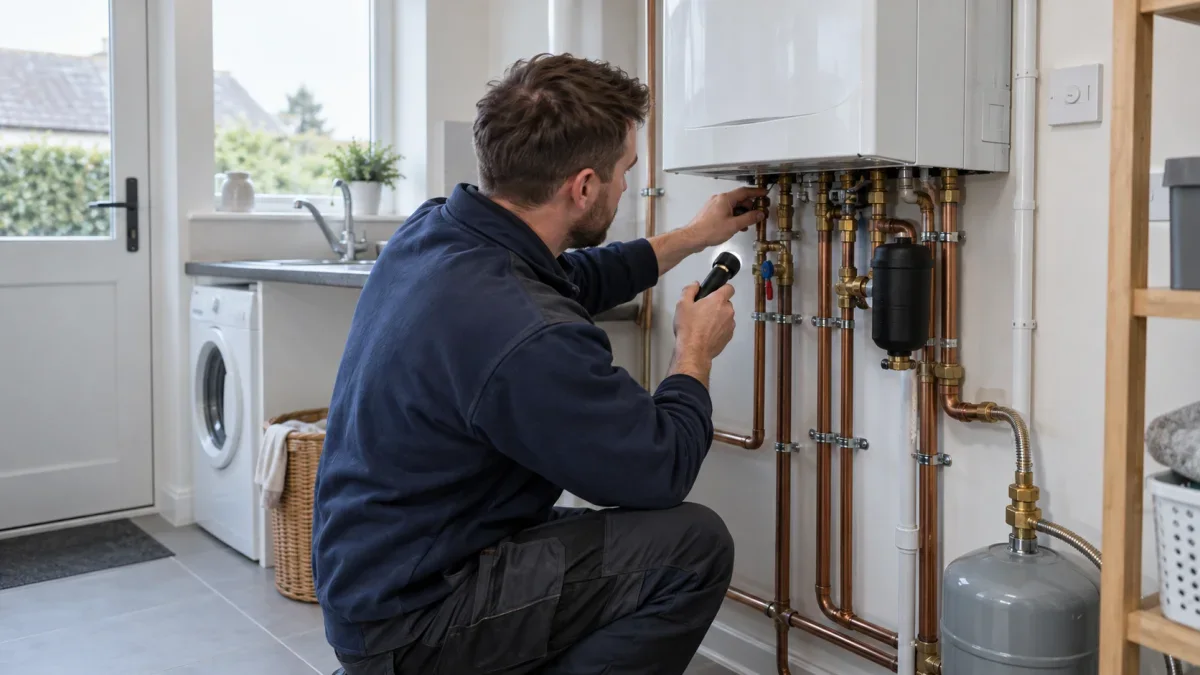
Power flushing is a thorough cleaning process for your central heating system, designed to remove sludge, rust, and debris that build up inside radiators and pipes over time. This reduces cold spots, boosts efficiency, and can prolong the life of your boiler and heating system—making it a wise investment for many Irish homeowners.
In 2026, you can expect professional power flushing in Ireland to cost anywhere from €1,299 to €1,399 for a typical home with up to 15 radiators. These prices, based on reputable Dublin providers, usually include VAT and often come bundled with a complimentary boiler service (usually worth €120 on its own). The price will fluctuate depending on the number of radiators, with small apartments at the lower end and larger family homes to the higher.
Costs may be marginally less in rural areas or smaller towns compared to Dublin, given the reduced overheads, but the range outlined gives a realistic nationwide picture. We'll guide you through all the key price factors, outline grant support, and share practical advice so you get real value from your power flushing investment.
Power Flushing Prices in Ireland (2026)
| Job | Typical price (inc. VAT) |
|---|---|
| Power flush (1–8 radiators)Includes complimentary boiler service (value €120) | €1,299 |
| Power flush (9–11 radiators)Includes boiler service | €1,359 |
| Power flush (12–15 radiators)Includes boiler service | €1,399 |
| Gas boiler service (standalone value)Often included free with power flush | €120 |
| SEAI Heating Controls GrantFor heating controls upgrades only | €700 |
| Estimated rural/small town discountVaries by location and provider | up to 10% less |
| Repeat or intensive power flush surchargeIf system is heavily contaminated | €100–€400 extra |
| Additional labour (rare, e.g. poor access)Only if significant extra work required | €50–€200 |
Prices are typical 2026 estimates and vary by job, condition and location.
What Is Power Flushing, and Why Is It Important?
Power flushing is a professional cleaning process for your central heating system. Using specialist equipment, engineers force a powerful flow of cleaning chemicals and water through the pipework and radiators to dislodge and remove accumulated debris. Common warning signs your system may need a flush include cold spots on radiators, slow heat-up times, or noisy boilers.
- Immediate improvement in heating performance
- Removes sludge and rust that causes blockages
- Helps prevent boiler breakdowns
- Can help lower energy bills
- Extends the lifespan of your system
What Impacts the Cost of Power Flushing?
Several variables affect how much you’ll pay for a power flush. Understanding these can help you budget more accurately and avoid surprise costs.
- Number of radiators – Most Irish homes will fall into brackets outlined above (1–8, 9–11, 12–15)
- System condition – If your heating has years of sludge and rust build-up, expect a possible surcharge for extra work or repeat flushing
- Accessibility – Hidden or hard-to-reach radiators/pipes may require extra labour
- Combination packages – Many firms include boiler servicing in their flush pricing; check what’s included
Can Grants or Support Help Lower My Cost?
While there is no SEAI grant specifically for power flushing alone in 2026, there are still ways to offset the overall cost of restoring your heating system’s efficiency.
If you’re adding heating controls (such as new thermostats, smart controls, or zone upgrades), you may qualify for up to €700 under SEAI's Heating Controls Grant. Many homeowners choose to upgrade controls and power flush their system together, maximising efficiency and grant value.
What to Expect From the Power Flushing Process
A standard power flush will usually take anywhere from 4 to 8 hours, depending on the size and condition of your system. Professional plumbers will connect a powerful pump to your heating system, add specialist chemicals, and flush each radiator in turn. Heavy contamination or larger systems often require extra time or multiple passes to achieve best results.
- Initial assessment (system check and quote)
- Draining and connecting equipment
- Adding cleaning chemicals and circulating
- Individually agitating and flushing each radiator
- System refill, treatment with inhibitor, and restart
- Final check and demonstration of improvements
Choosing a Reliable Power Flushing Provider
As with any specialist service, it pays to choose carefully. Prices vary, but the cheapest quote isn’t always the best value, especially with something as crucial as your home heating.
- Get at least 2–3 written quotes and ask exactly what’s included
- Ensure your engineer is experienced, fully insured, and RGII (Registered Gas Installers of Ireland) certified if working on a gas boiler
- Ask about aftercare and guarantee – reputable firms offer some form of warranty
- Check whether VAT is included in your quoted price
Frequently asked questions
Is power flushing always necessary if my radiators are cold?+
Not always. Cold radiators can be caused by trapped air, stuck valves, or issues unrelated to sludge. A reputable engineer will inspect your system and recommend the right solution.
How often should I get my heating system power flushed?+
As a general rule, most systems only require a power flush every 5–10 years, unless you experience repeated blockages or poor heating. Your plumber can advise based on your system’s condition.
Can I do a power flush myself?+
Proper power flushing requires specialised pumps and chemicals, as well as expertise. DIY methods are risky and rarely produce satisfactory results—professionals recommended.
Will power flushing fix boiler problems?+
It can resolve issues caused by sludge or poor circulation. However, if your boiler is faulty, worn out, or suffering from unrelated problems, separate repairs or replacement may be needed.
Will a power flush make my system more energy efficient?+
Yes—removing sludge and buildups allows hot water to circulate freely, often making your home heat up quicker and reducing your heating bills.
Sources and editorial notes
This legacy guide has not yet completed the current claim-level citation review. Treat prices as broad estimates, verify current rules with the relevant authority and obtain a written professional quotation. See our editorial policy.
Official guidance and further reading
These links are further reading and do not substantiate every estimate above.
Ready to describe your project?
Tell us about your plumbing & heating job and compare free quotes from interested local professionals. You can also browse plumbing & heating professionals.