How Much Does Radiator Replacement Cost in Ireland? (2026 Guide)
Legacy guide: external source review is pending. How we review guides
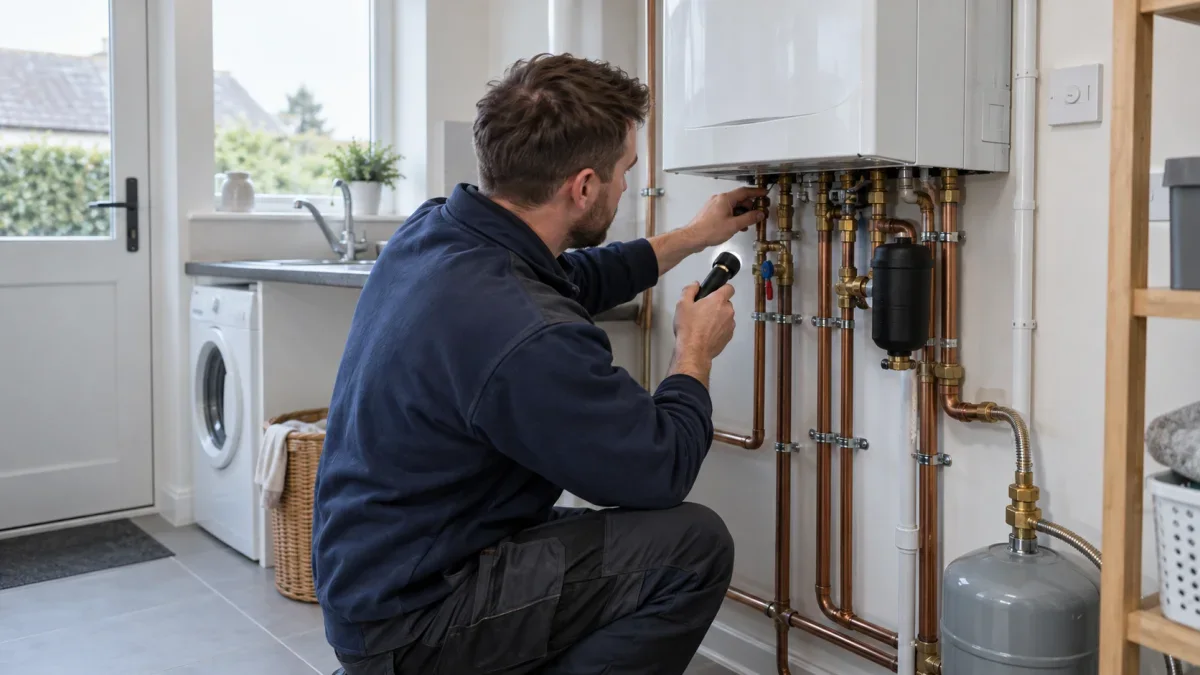
If your home heating isn’t up to scratch or you’re planning upgrades, understanding radiator replacement costs in Ireland for 2026 is crucial. On average, homeowners can expect to pay between €300 and €700 per radiator, which includes both the supply of a standard radiator and professional installation. Prices depend on the type and size of radiator, the complexity of your existing system, and where in Ireland you live—Dublin rates notably being at the upper end.
For those looking to future-proof their property and tap into Ireland’s sustainable energy push, SEAI grants in 2026 are particularly strong. If you’re upgrading to a heat pump, you may qualify for state support that covers much more than just the heat pump itself—upgrades to radiators and pipework can also be subsidised. This guide will break down exactly what you can expect to pay out of pocket, what grants may cover, and the practical steps to take for a smooth and cost-effective upgrade.
Radiator Replacement & Upgrade Costs (Ireland 2026)
| Job | Typical price (incl. VAT) |
|---|---|
| Standard radiator (supply & fit) | €300 – €700 each |
| Designer/high-output radiator (supply & fit)Costs vary based on style, brand, and heating output. | €450 – €1,000 each |
| Pipework modifications (per radiator/zone)Only needed if existing pipework is unsuitable. | €120 – €350 |
| Labour cost (per radiator)Based on standard replacement jobs. | €200 – €400 |
| BER assessment (pre and post installation) | €150 – €300 |
| SEAI grant for heat pump system upgradesCovers radiators and pipework (if upgrading system). | Up to €2,000 |
| Heat pump system grant (overall)Includes heat pump unit, bonus for renewable heat, etc. | Up to €12,500 |
Prices are typical 2026 estimates and vary by job, condition and location.
What Impacts the Cost of Radiator Replacement?
Several important factors drive the final bill when it comes to replacing radiators in Ireland. A standard radiator swap will typically fall into the €300–€700 range, but specialist products, system complications, or location-specific issues can push costs higher.
- Radiator size and type – Designer or high-output models cost substantially more.
- System age and complexity – Older systems may require pipework upgrades.
- Pipework modifications – Non-standard layouts or new connections increase labour.
- Labour rates – Dublin and major cities tend to be pricier than rural counties.
- Accessibility – Hard-to-reach or concealed pipework raises installation time.
SEAI Grants for Heating Upgrades Explained
In 2026, the SEAI continues to offer robust grant support for renewable heating upgrades—including funding for radiator and pipework improvements. If you’re installing a heat pump, grants covering supply and installation are available to help Irish homeowners manage the cost.
- Up to €6,500 towards the heat pump unit itself.
- Up to €2,000 for upgrading radiators/pipework (as part of system distribution).
- A €4,000 Renewable Heat Bonus if you are replacing fossil fuel or electric systems.
Grants are available for homes built and occupied before 2021, and all work must be carried out by SEAI-registered contractors. It’s essential to apply before starting work and have a technical assessment to confirm your home’s suitability.
Practical Steps for a Smooth, Cost-Effective Upgrade
- Request at least three written quotes from SEAI-registered heating contractors.
- Have your current heating system professionally assessed for compatibility with new radiators or heat pump solutions.
- Apply for any SEAI grants before arranging work—retrospective applications are not supported.
- Prioritise regular maintenance post-installation to prolong your investment and maintain system efficiency.
Radiator Replacement and Grants: Realistic Scenarios
If you’re replacing a single standard radiator in a modern system, budget €300–€700 for total supply and installation. With multiple radiators or designer models, costs can quickly escalate—especially if your home needs pipework modifications to support a new heat pump. However, the SEAI grant structure means substantial savings are possible if your project qualifies. Always match the upgrade pathway to your home’s age, insulation status, and long-term heating goals.
Frequently asked questions
What is the average cost to replace a radiator in Ireland (2026)?+
The typical cost for supply and installation of a standard radiator in Ireland in 2026 is €300–€700 per radiator. Designer or high-output radiators will cost more.
Can I get a grant for replacing radiators as part of a heat pump upgrade?+
Yes. If you upgrade to a heat pump, SEAI grants may provide up to €2,000 for central heating distribution system upgrades, including radiators and pipework.
Do I need a BER assessment before and after replacing radiators?+
A Building Energy Rating (BER) assessment is often required for grant applications and generally costs €150–€300 each. Check if your project will require both pre- and post-assessment.
Will my old pipework be compatible with new radiators or a heat pump?+
Not always. Older systems sometimes need pipework modifications, especially for heat pump compatibility or if you’re installing larger-capacity radiators. This can add €120–€350 per radiator/zone to costs.
How can I ensure I get the best price for radiator replacement?+
Always seek at least three quotes from SEAI-registered heating contractors. Ask about what’s included, VAT, and any additional costs that may arise due to pipework or technical assessments.
Sources and editorial notes
This legacy guide has not yet completed the current claim-level citation review. Treat prices as broad estimates, verify current rules with the relevant authority and obtain a written professional quotation. See our editorial policy.
Official guidance and further reading
These links are further reading and do not substantiate every estimate above.
Ready to describe your project?
Tell us about your plumbing & heating job and compare free quotes from interested local professionals. You can also browse plumbing & heating professionals.