How Much Does Tile Installation Cost in Ireland? (2026 Price Guide)
Legacy guide: external source review is pending. How we review guides
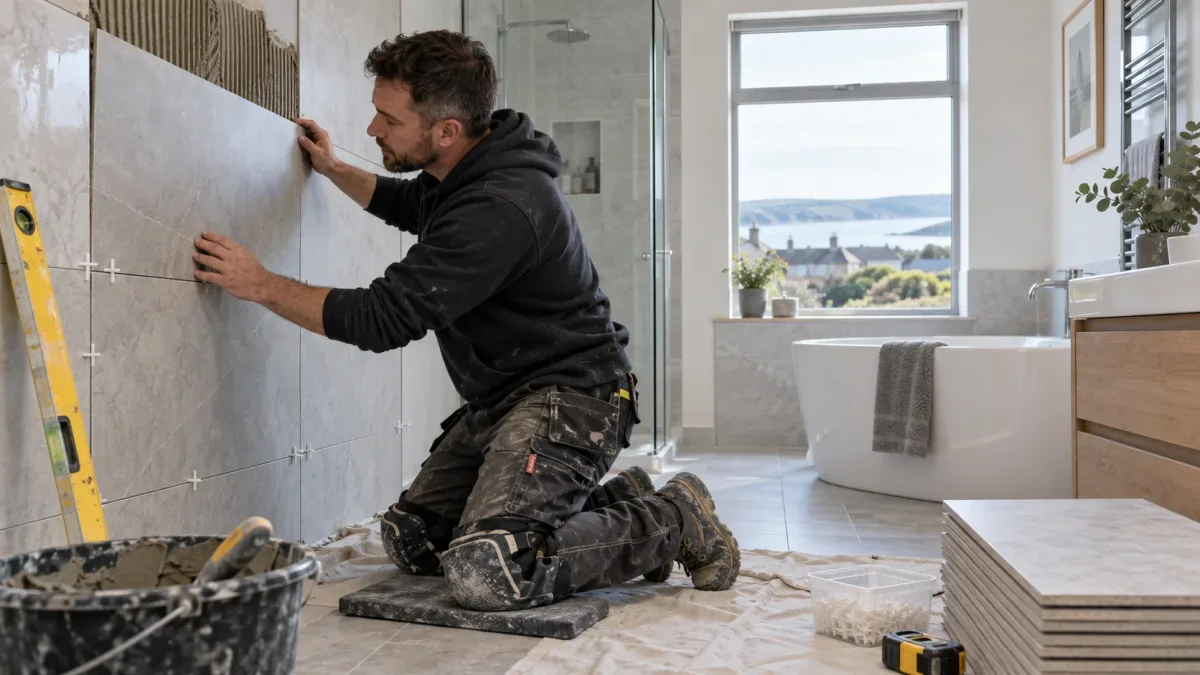
If your bathroom, kitchen or hallway is due a refresh, few upgrades are as impactful as new tiling. But the burning question remains: how much should Irish homeowners set aside for professional tile installation in 2026? On average, you can expect to pay between €30 and €50 per square metre for labour alone. This typically excludes the cost of tiles and materials. For those thinking in imperial, that’s roughly €2.79 to €4.65 per square foot.
Total project costs will depend on your choice of tile (ceramic, porcelain, or natural stone), the size and complexity of the job, as well as any additional prep work required. Tile installation prices are slightly higher in Dublin due to increased demand, but are largely consistent elsewhere in the country when it comes to material costs. Knowing these price ranges up front can help you set a realistic budget—and avoid nasty surprises.
Typical Tile Installation Costs in Ireland (2026)
| Job | Typical price (labour only) |
|---|---|
| Standard tile installation per m²Excludes material costs | €30 – €50 |
| Standard tile installation per sq ftFor reference; material extra | €2.79 – €4.65 |
| Ceramic tile fitting per m²Usually the least expensive option | €30 – €40 |
| Porcelain tile fitting per m²Increased durability | €35 – €50 |
| Natural stone tile fitting per m²Premium materials and skill required | €40 – €65 |
| Removal of old tiles (per m²)If removal is needed | €10 – €25 |
| Floor preparation / levelling (per m²)If required | €8 – €15 |
| Waterproofing (bathrooms/showers, per m²)May be required in wet areas | €12 – €25 |
| Dublin labour surcharge (approx.)Versus other regions | +10% – 20% |
Prices are typical 2026 estimates and vary by job, condition and location.
Key Factors Affecting Tile Installation Costs
Several elements influence the final bill for your tiling job beyond just the size of the area. Understanding these factors helps you make informed decisions that fit your preferences and budget.
- Tile material – Ceramic is budget-friendly; porcelain brings more durability at a slightly higher price; natural stone (like marble or granite) sits in the premium bracket.
- Job complexity – Simple installations are less costly than intricate patterns or mosaics, which require extra precision and time.
- Site preparation – Removing existing flooring, levelling a subfloor, or adding waterproofing (especially in bathrooms) all bump up labour costs.
- Regional differences – Dublin homeowners should expect to pay about 10–20% more for labour compared to the rest of the country.
Materials: Choosing the Right Tile for Your Home
The type of tile you select isn’t just about looks—it’s a major driver of your project’s final cost. Here’s what you need to know about the common options.
- Ceramic tiles are the most affordable and suit most rooms.
- Porcelain tiles cost a bit more, but excel for busy areas thanks to their superior durability and water resistance.
- Natural stone tiles, such as marble, slate or granite, command the highest price—both for materials and installation—because of their weight, required skills, and unique finish.
Regulations, Grants, and VAT: What You Need to Know
While tile installation isn’t eligible for SEAI grants as of 2026, those planning underfloor heating for energy efficiency might find some financial support. Always double-check if your project is covered under any new schemes, especially if it’s part of a broader renovation.
Irish building regulations have specific requirements for wet rooms and bathrooms, particularly regarding waterproofing. Always use a contractor familiar with these standards to avoid compliance headaches.
Remember VAT: the standard rate is 23% in Ireland. Some home improvements might qualify for a reduced VAT rate, so ask your contractor or consult the Revenue Commissioners for advice specific to your project.
Practical Tips for a Smooth Tiling Project
- Get multiple written quotes from experienced, registered tilers.
- Check reviews and previous work; specialist installations (like mosaics) may call for extra qualifications.
- Be clear about preparation needs—removal, levelling, or waterproofing should be itemised in your quote.
- Choose a tile that suits your room’s usage, style, and your budget.
- Consider off-peak times for installation if you want to potentially save on labour.
- Review all quotes carefully, including VAT and potential surcharges for weekend or evening work.
Frequently asked questions
What is the average cost to tile a kitchen floor in Ireland?+
Typically, labour charges range from €30 to €50 per square metre. The final price depends on tile choice, the area’s size, and any needed preparation or old tile removal. Add the cost of your chosen tiles to this figure.
Are tiling prices higher in Dublin than the rest of Ireland?+
Yes. Due to higher living and business costs, expect to pay around 10–20% more for tile installation in Dublin compared to elsewhere.
Should I expect additional costs beyond the basic labour rate?+
Yes. Removal of old floor coverings, floor levelling, or waterproofing (especially in bathrooms) are often extra and can add substantially to your bill.
Does tile installation qualify for any home improvement grants in Ireland?+
Direct tile installation isn’t covered by SEAI grants. However, if you are installing energy-efficient underfloor heating with your tiling project, grants may be available. Check the SEAI website for the latest.
Is VAT included in the typical tiling quotes?+
Always clarify this with your contractor—quotes may or may not include VAT. The standard rate is 23%, but some works may qualify for a reduced rate; consult your tiler or Revenue for your situation.
How do I ensure my tiler is reliable?+
Ask for references, review previous jobs, confirm they’re registered, and check experience with your specific type of tile or design. Never be afraid to ask for proof of insurance and qualifications.
Sources and editorial notes
This legacy guide has not yet completed the current claim-level citation review. Treat prices as broad estimates, verify current rules with the relevant authority and obtain a written professional quotation. See our editorial policy.
Official guidance and further reading
These links are further reading and do not substantiate every estimate above.
Ready to describe your project?
Tell us about your tiling job and compare free quotes from interested local professionals. You can also browse tiling professionals.