Roof Valley Replacement Cost in Ireland: 2026 Guide
Legacy guide: external source review is pending. How we review guides
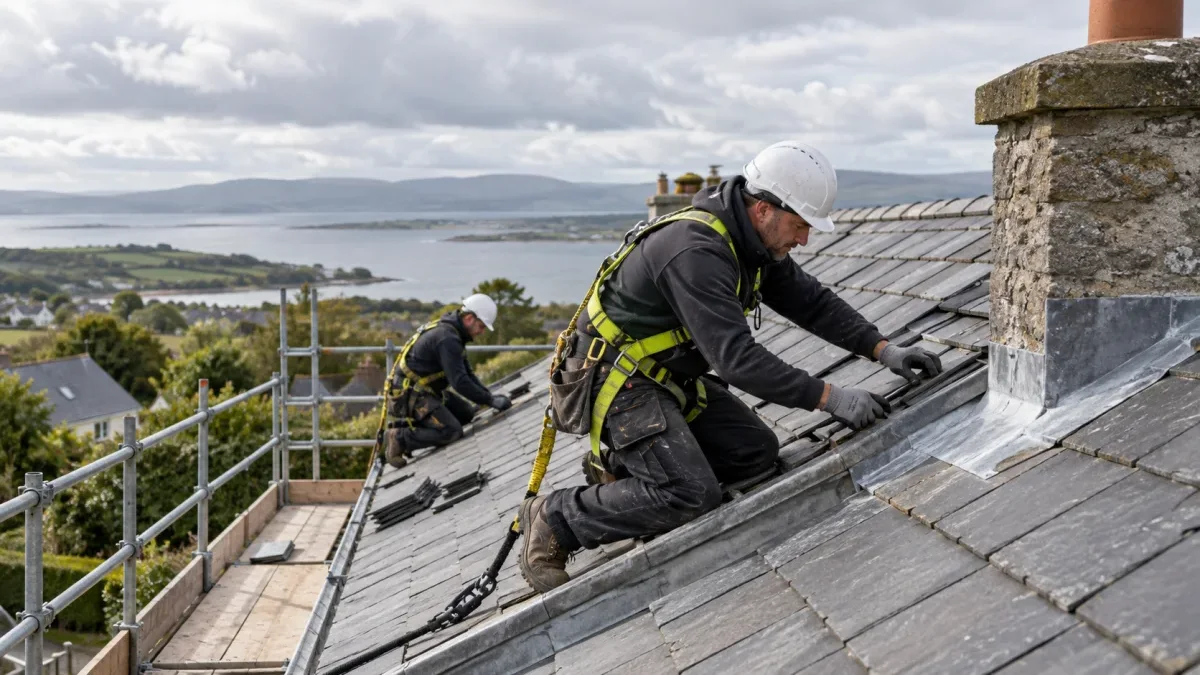
If you’re noticing water marks on your ceiling or have spotted drips during heavy rain, your roof valley may need attention. Roof valleys, which are the V-shaped channels where two roof sections meet, are vital for proper water drainage. When these areas fail—due to age, weather, or poor maintenance—it can quickly lead to leaks and expensive structural damage.
In Ireland, the typical cost for roof valley replacement lands between €400 and €1,000 in 2026. Minor repairs or shorter valley sections start from around €400, while full replacements for longer or multiple valleys, particularly on complicated roofs, can exceed €1,000. Dublin homeowners should expect to pay a premium of 10–15% above national averages, reflecting higher local labour rates.
Factor in possible extras like scaffolding (adding €300–€500) and VAT at 13.5%. While grants from the SEAI don’t directly cover valley replacement, you may be eligible for support if roof insulation is tackled at the same time. Investing in timely roof valley repair helps protect your home and avoids more costly issues down the line.
Roof Valley Replacement Costs in Ireland (2026 Estimates)
| Job | Typical price |
|---|---|
| Minor roof valley repair (small area) | €400 – €600 |
| Full roof valley replacement (single valley) | €600 – €1,000 |
| Multiple valleys/complex roofTop end for long, multiple, or steep valleys | €900 – €1,400 |
| Lead valley material (per valley)More durable, higher material cost | €100 – €300 extra |
| Fibreglass or membrane valley (per valley)Usually standard in most quotes | Included in base price |
| Scaffolding (if required)Depends on roof access | €300 – €500 |
| Roof repairs to underlying structuresIf water damage is found | €250+ |
| Extra Dublin labour premiumHigher rates in Dublin area | +10% – 15% |
| VAT (13.5%)Check if quotes include VAT | Added to total bill |
Prices are typical 2026 estimates and vary by job, condition and location.
What Is a Roof Valley and Why Does It Matter?
A roof valley is the point where two sloped roof surfaces meet, forming an internal angle that channels rainwater down towards your gutters. Because valleys handle a concentrated flow of water, they’re often the first place a roof will leak if the waterproof lining fails. Regular inspection is crucial, especially after severe weather.
Valleys are typically constructed from lead, fibreglass, or modern synthetic membranes, each with distinct price points, lifespans, and suitability. Neglected valleys can lead to water ingress, rot, and even structural compromise.
Factors That Influence Roof Valley Replacement Cost
- Material choice (lead, fibreglass, membrane)
- Length and number of valleys to be replaced
- Roof pitch and complexity
- Accessibility – e.g., need for scaffolding
- Extent of underlying damage
- Local labour rates (higher in Dublin)
- VAT inclusion or exclusion in quotes
Each of these can significantly affect your final bill, so be sure to discuss them with your roofing contractor and request an itemised quote.
What to Expect During Roof Valley Replacement
The process starts with a thorough assessment of the valley and surrounding tiles or slates. Roofers remove the old valley lining, inspect for any substructure damage, and fit new materials—either traditional lead, fibreglass, or a modern membrane. If water has penetrated, repairing rafters or battens will add to both cost and project length.
Allow one to two days for a single valley replacement, more for complex or multi-valley roofs. External scaffolding may be needed for safe access, particularly on steep or high roofs.
Practical Tips for Irish Homeowners
- Get at least three detailed quotes from experienced roofers.
- Ask if scaffolding and VAT are included in the price.
- Check that contractors are fully insured and registered.
- Plan work for mild, dry weather if possible.
- Consider bundling other roofing repairs to reduce overall costs.
- Keep an eye out for grants if pairing replacement with insulation upgrades.
Grants, VAT, and Other Regulations
As of 2026, SEAI offers grants for roof insulation works—but not for roof valley repairs on their own. If you’re improving insulation at the same time, you may be eligible for support up to €2,500. All roofing work should comply with local building regulations, and quotes must clearly state whether VAT (at 13.5%) is included. Double check before you sign any agreement.
Frequently asked questions
How often do roof valleys need to be replaced?+
Roof valleys generally last 20–30 years, but harsh weather, poor materials, or improper installation can drastically shorten their lifespan. Inspect valleys periodically, especially after storms.
Is lead or fibreglass better for Irish roofs?+
Lead is the traditional option, known for longevity and reliability, but it’s costlier. Fibreglass and modern membranes are cheaper, readily available, and perform well if installed correctly.
Can I get a grant for roof valley replacement?+
Direct grants for roof valley replacement are not available. However, if you are also improving roof insulation, SEAI grants up to €2,500 could help reduce your combined costs.
Will scaffolding always be needed for valley replacement?+
Not always, but if the roof is high, steep, or difficult to access, scaffolding is essential for safety. This typically adds €300–€500 to your bill.
Can I delay roof valley repairs until summer?+
It’s best not to delay if you have an active leak, as water ingress can quickly lead to more severe (and expensive) damage. Otherwise, scheduling for drier weather will minimise disruption.
Sources and editorial notes
This legacy guide has not yet completed the current claim-level citation review. Treat prices as broad estimates, verify current rules with the relevant authority and obtain a written professional quotation. See our editorial policy.
Official guidance and further reading
These links are further reading and do not substantiate every estimate above.
Ready to describe your project?
Tell us about your roofing & guttering job and compare free quotes from interested local professionals. You can also browse roofing & guttering professionals.